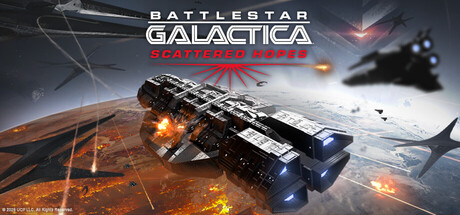



Battlestar Galactica: Scattered Hopes Review – A Roguelite of Desperate Decisions
I played Alt Shift's fleet-management roguelite that mixes tense real-time battles with procedural narrative crises. It nails the panic of BSG at times, but stumbles with balance and a few technical hiccups.
Playing Battlestar Galactica: Scattered Hopes felt like slipping into a cramped command chair while the alarm light blares — in a good way. Alt Shift, the studio behind Crying Suns, applies that tight, urgent design to a licensed BSG setting: fleet management, raids, and real-time battles with a tactical pause. If you love FTL-like runs with a heavier narrative and a dash of tactical combat, this title will scratch that itch. Expect punishing runs, memorable crises, and enough dramatic moments to make you mutter 'So say we all' under your breath.
Survival on a Knife-Edge
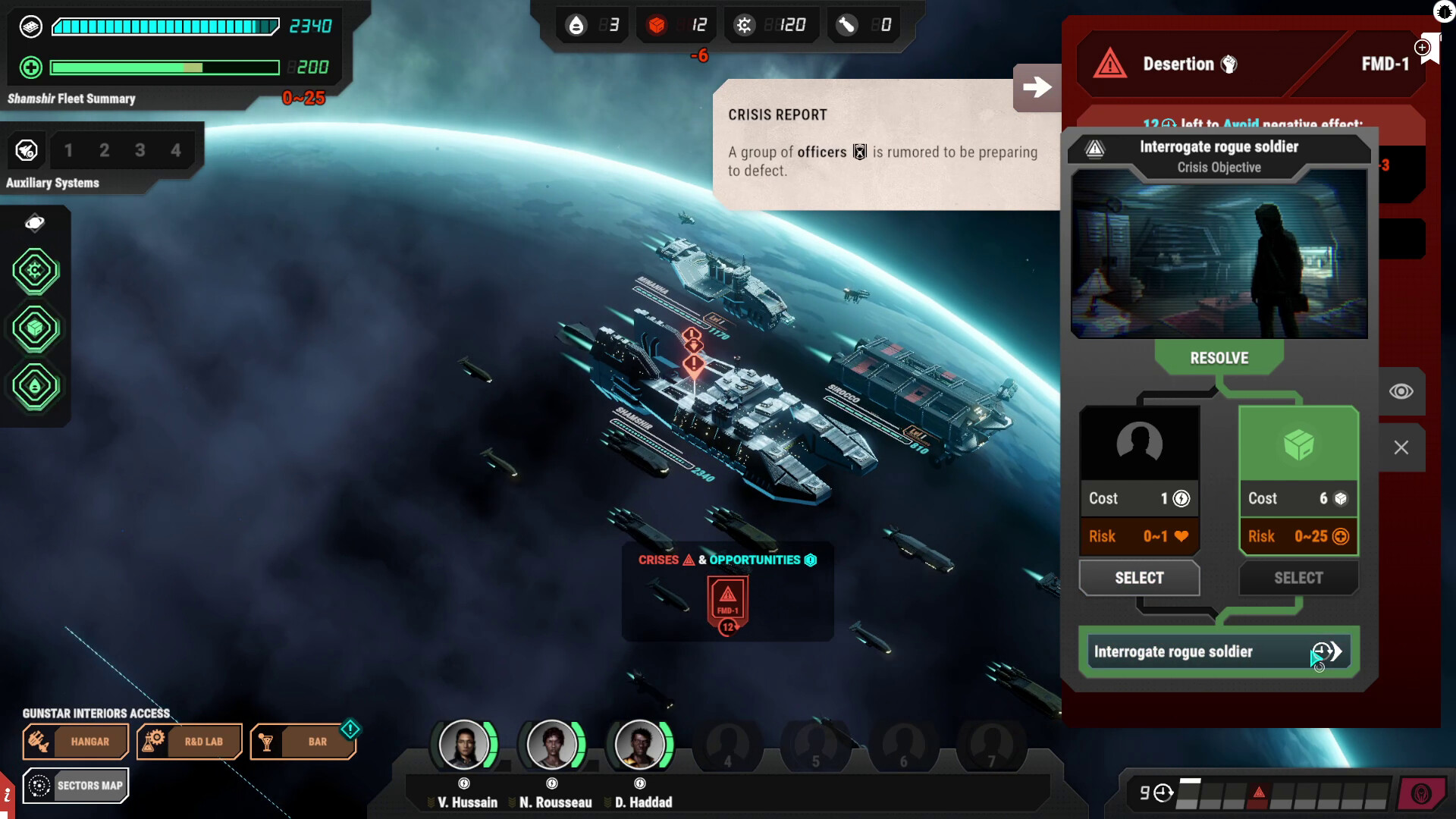
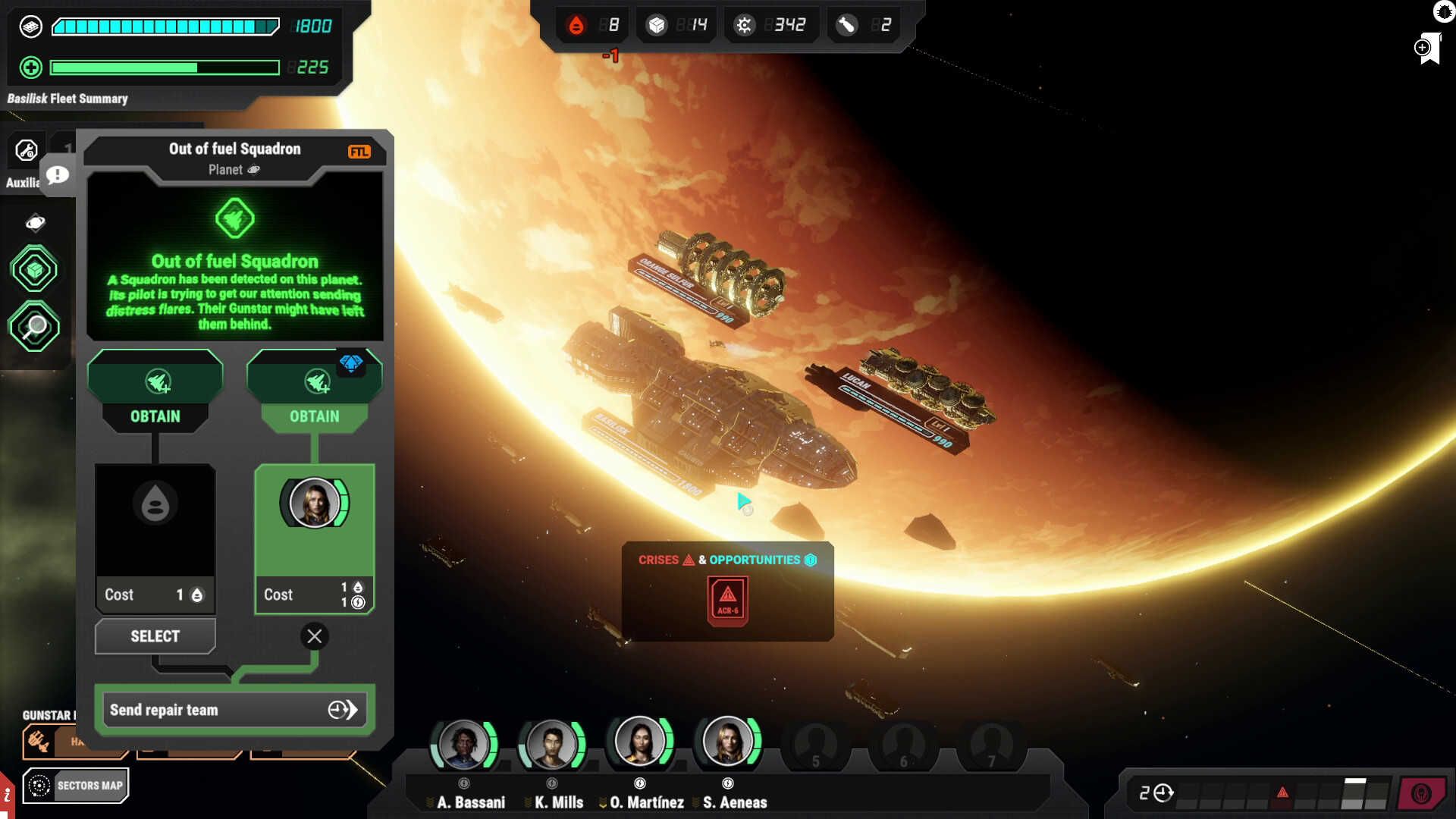
Battlestar Galactica: Scattered Hopes makes you feel perpetually behind the curve — and that's deliberate. The loop alternates between Fleet Management phases where you dispatch expeditions, allocate scarce supplies, train crew, and decide who lives or dies, and tense battle encounters where your squadrons and a Gunstar buy time for an FTL jump. Every decision chews through resources and time; you can’t afford to fiddle. The game rewards prioritization: send a Raptor to scavenge and risk leaving your flank exposed, or patch up life support and gamble that your pilots will hold. It’s a comfortable groove if you appreciate pressure that forces choice over busywork.
When the Story Bites Back
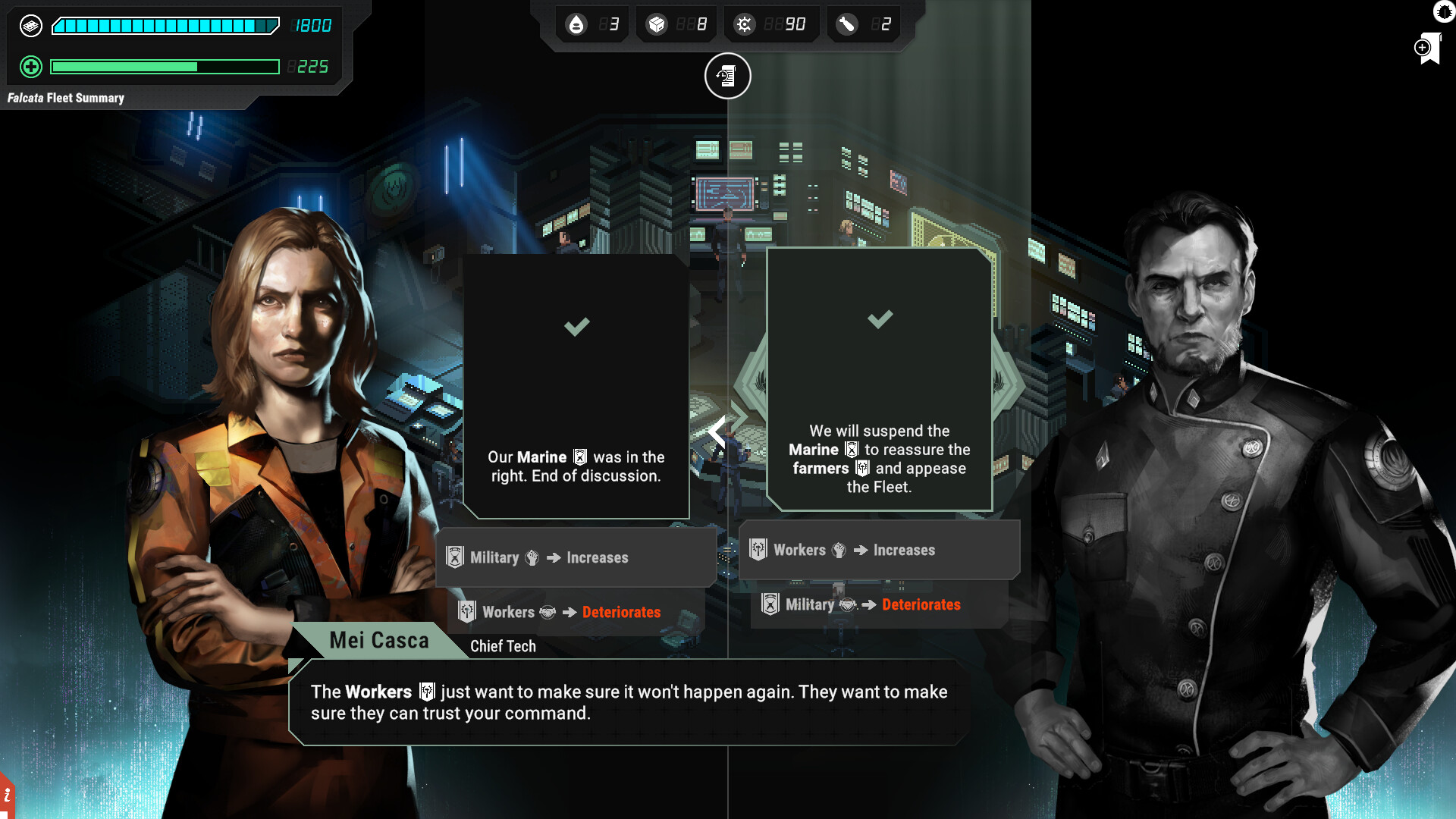
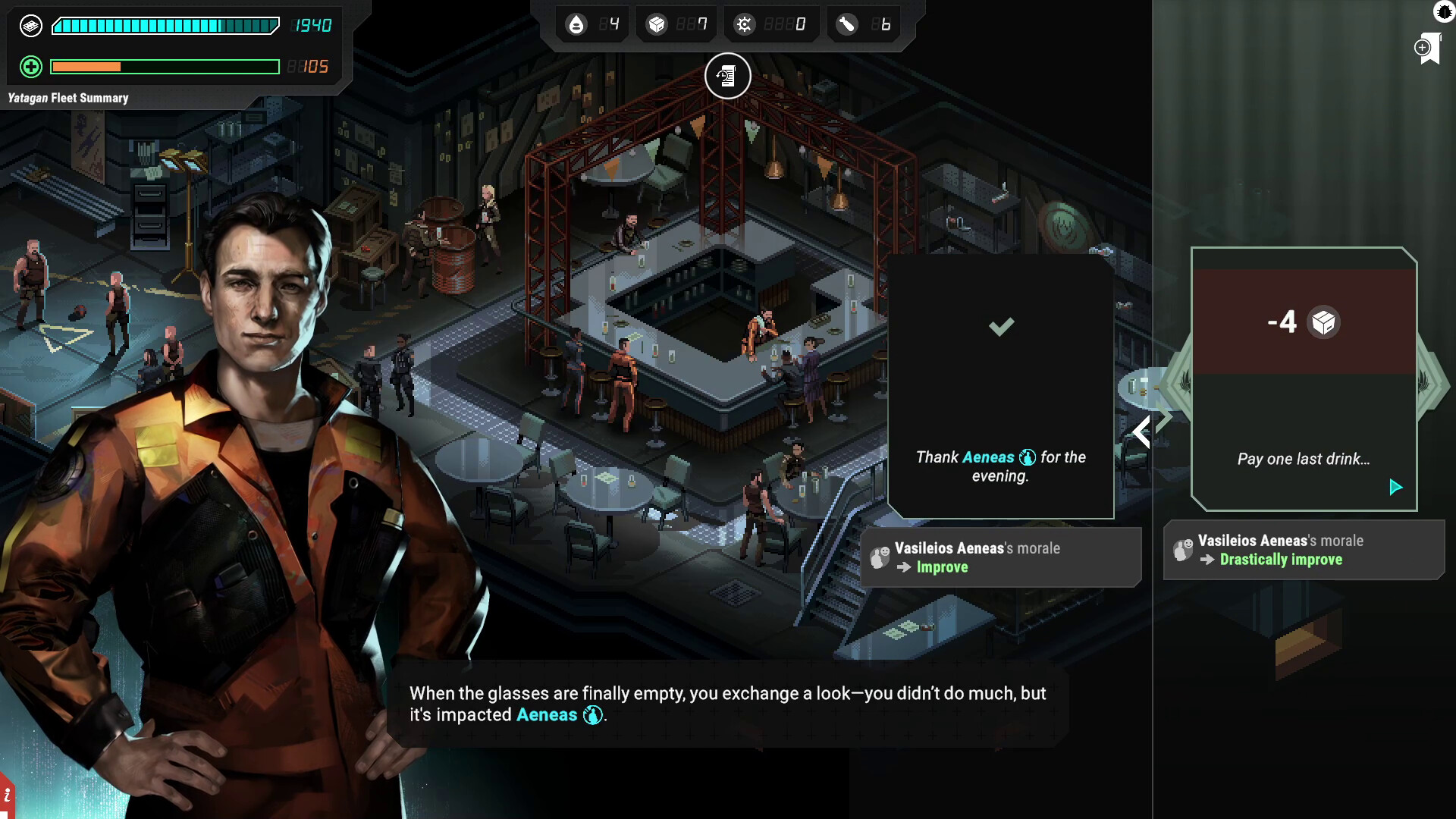
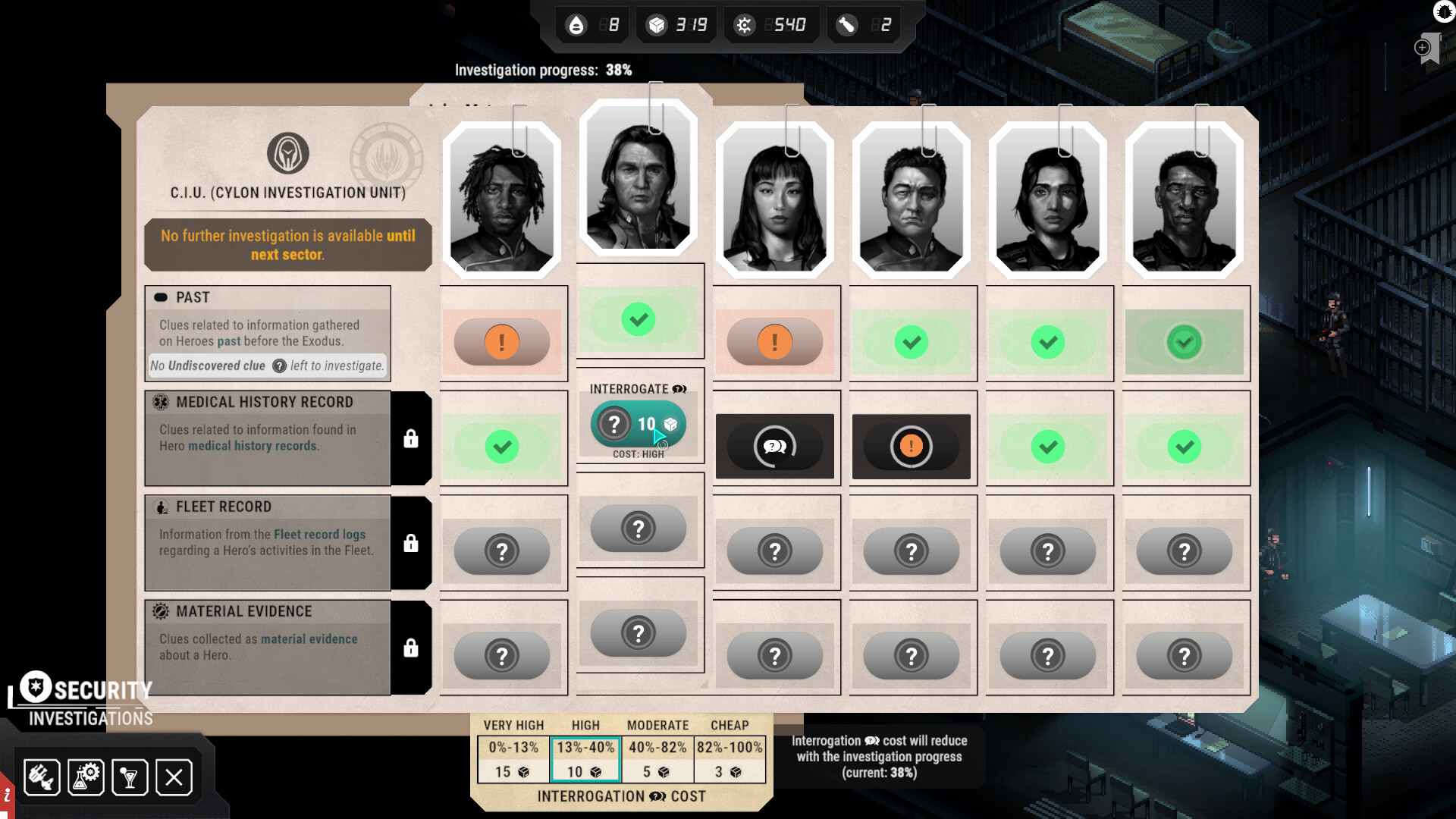
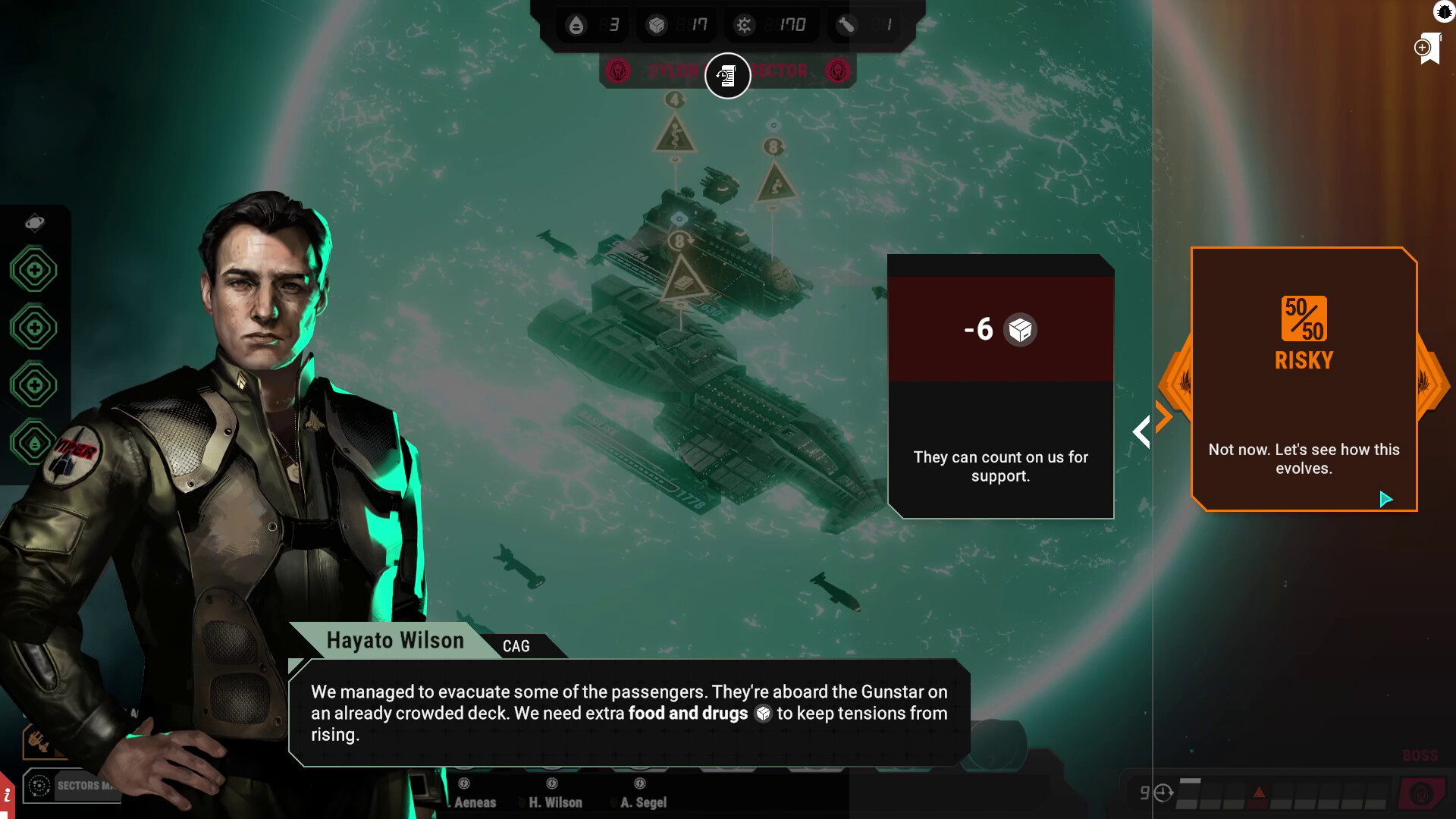
What lifts Scattered Hopes above a bare-bones roguelite is the procedural narrative design. Faction politics, epidemics, and system failures aren't window dressing — they cascade into tailored events that change runs in meaningful ways. Sometimes investigating a possible Cylon infiltrator becomes a resource sink that reshapes your whole strategy; other times the narrative hands you a surprising ally or a cruel twist. The game’s radiant event chains and the way indicators (healthcare, maintenance, favour) trigger bespoke scenarios add replay value beyond simple item unlocks. It isn’t cinematic like a AAA story game, but it produces little human moments — mutinies, bitter bargains, or a crew member’s quiet sacrifice — that stick with you.
Battles That Demand Calm in the Storm
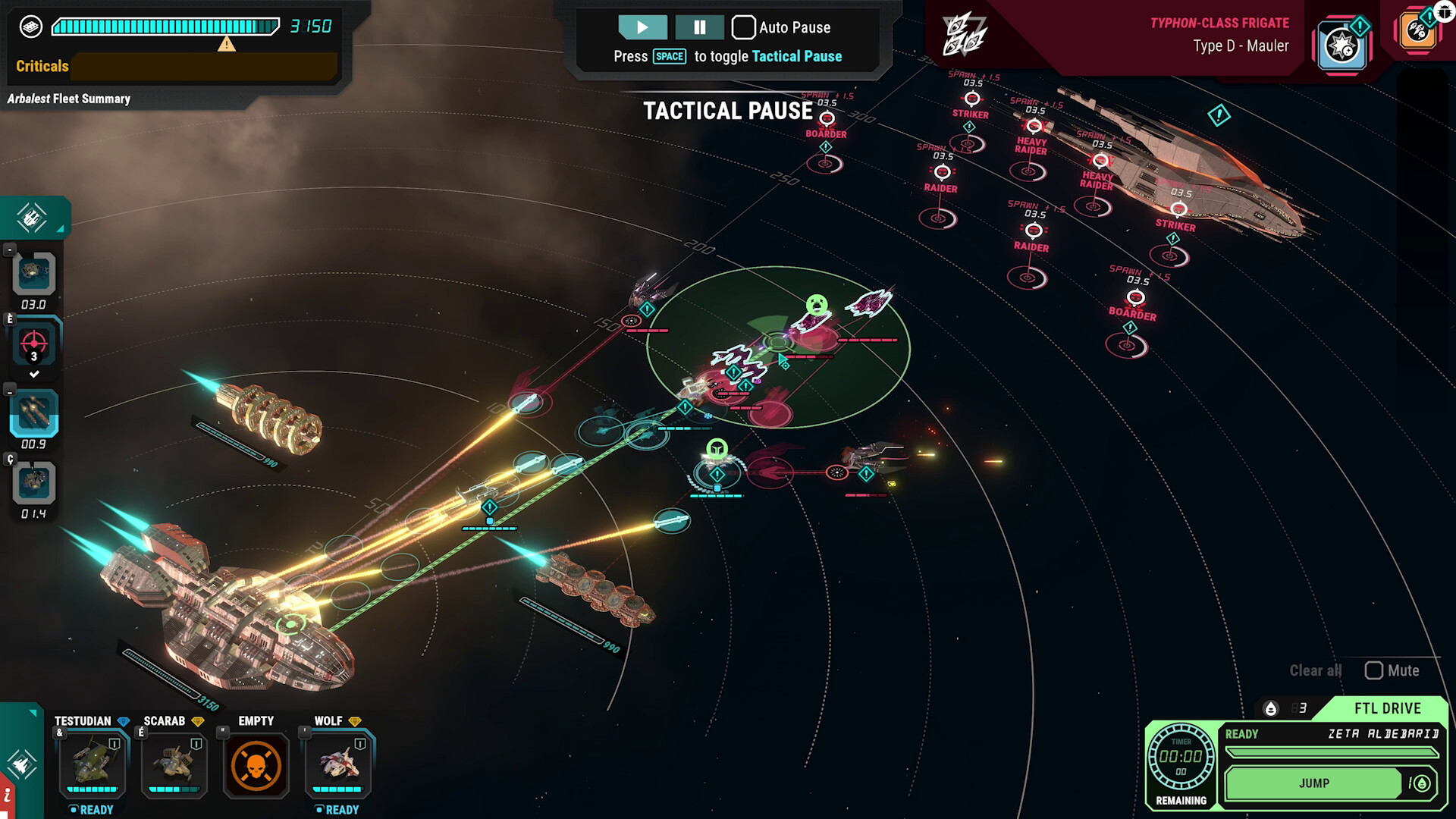
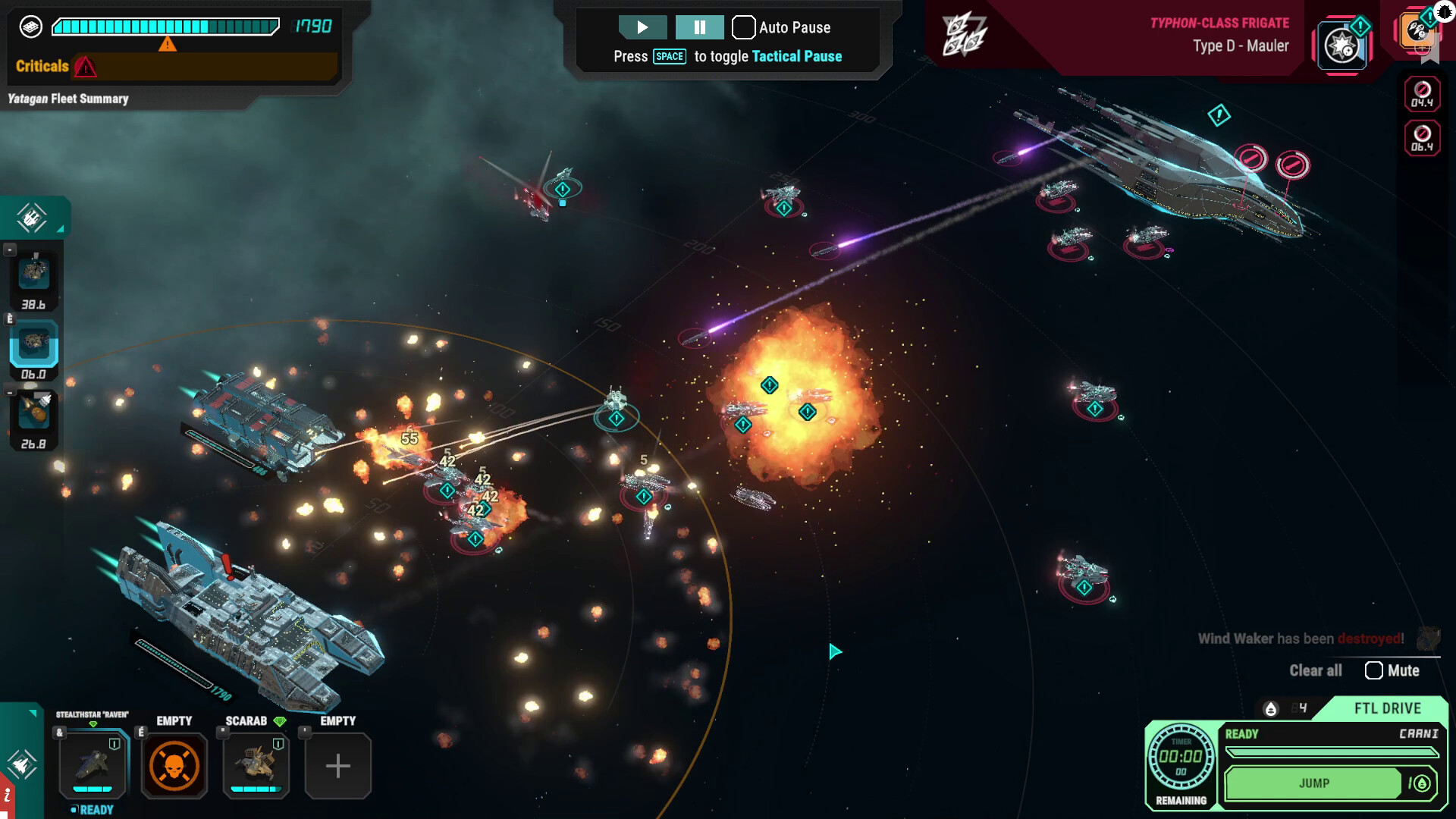
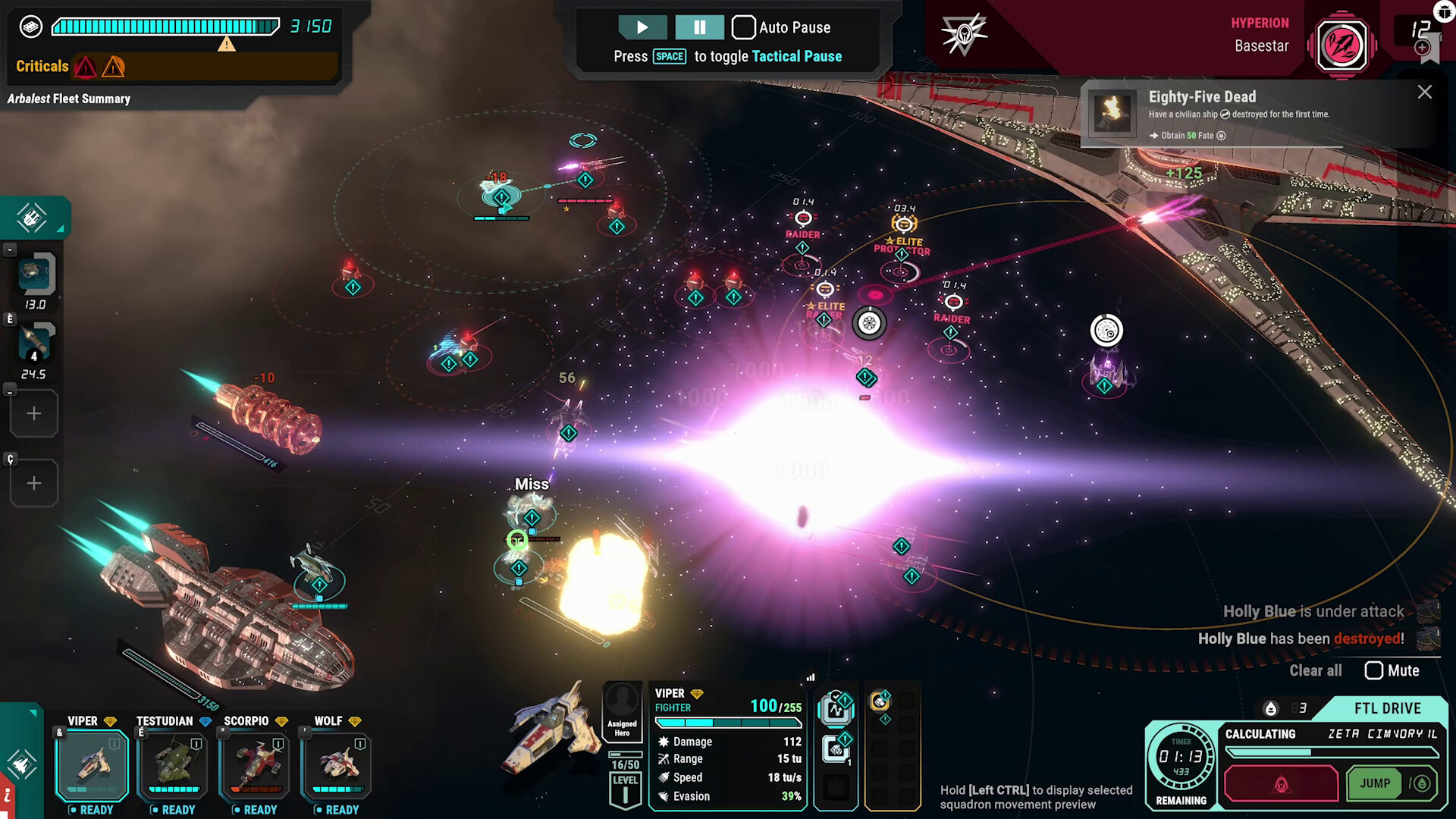
Combat is real-time with the option to Tactical Pause, and it’s designed as survival theater rather than showy dominance. You issue orders to squadrons, time Gunstar strikes, and try to funnel waves of Cylon raiders into kill zones while protecting fragile carriers. The tactical pause is smartly implemented: preview enemy paths, queue maneuvers, and set abilities without the chaos swallowing you whole. Battles feel weighty because losses matter — every misplayed ability or misrouted squadron can cascade into the next management phase as a crisis. There’s a satisfying ebb: frantic micro in combat, then a breathless scramble to triage your fleet between encounters.
Systems, Progression and Roguelite DNA
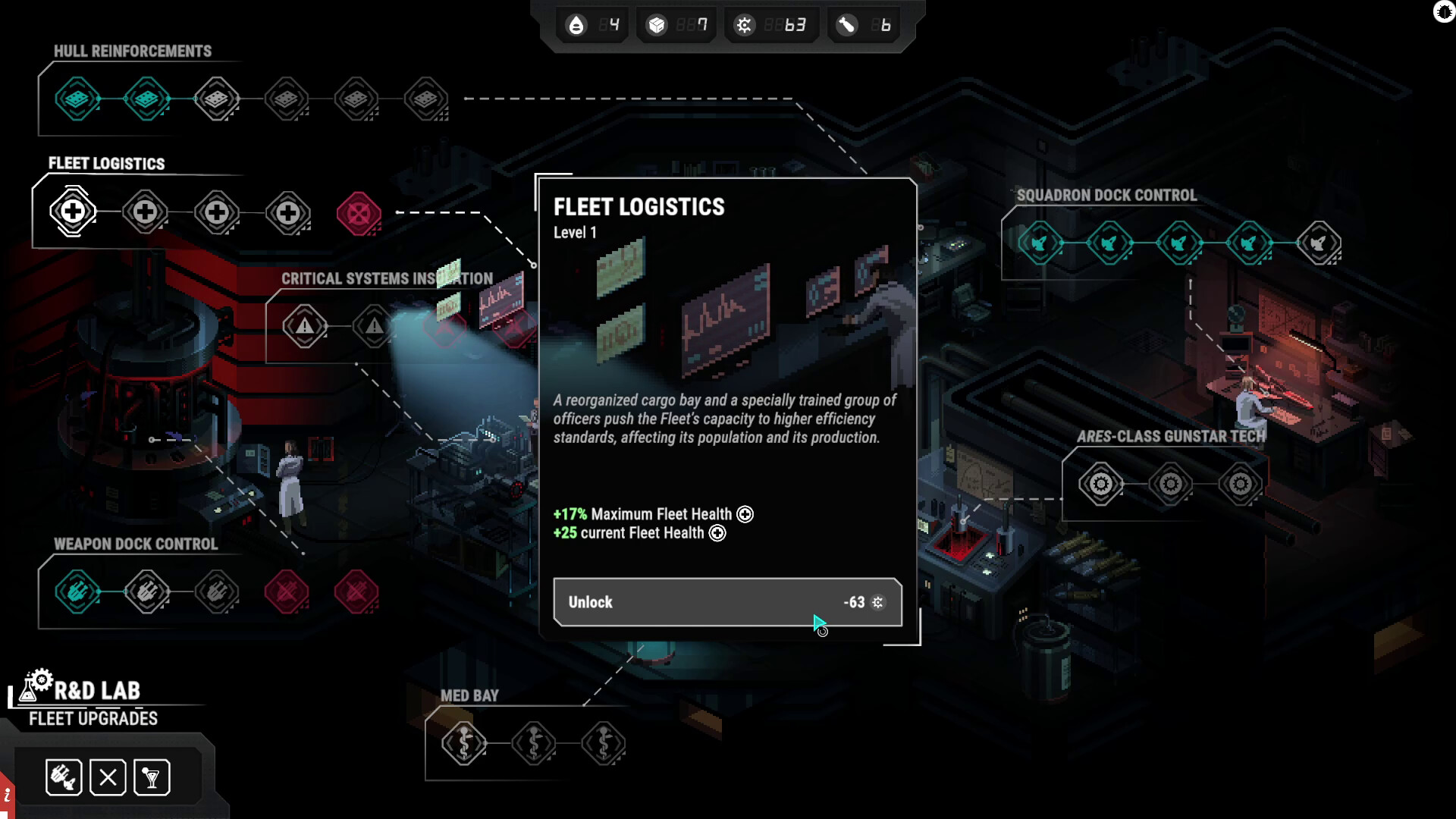
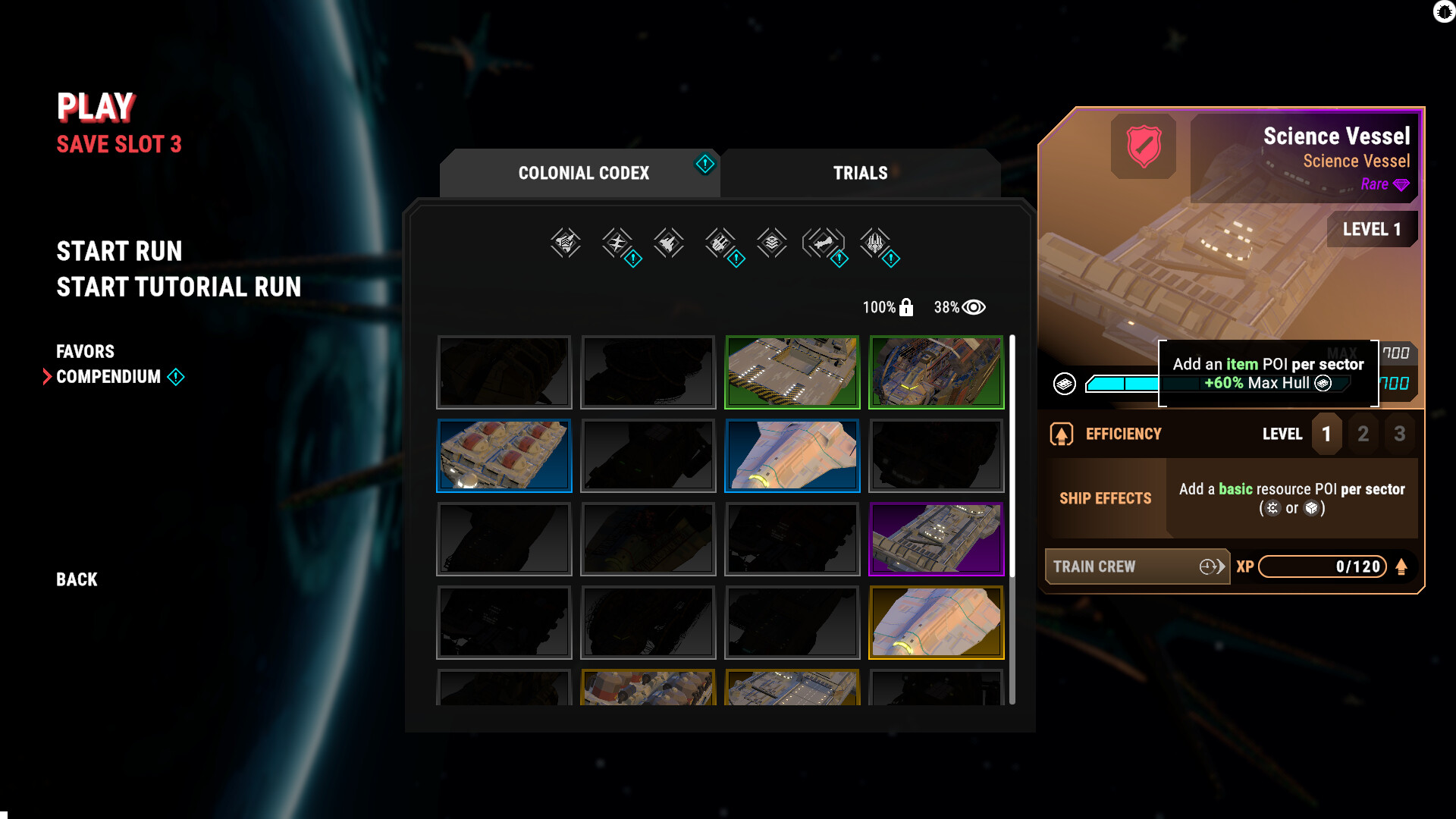
Runs are short-to-medium in length but brutally satisfying: unlockable starting fleets, trials that add new squadron types and Gunstar weapons, and meta upgrades that let you chip away at the game’s walls. The hope/favor meta progression and trials mirror Crying Suns’ structure but tuned toward a fleet theme. I appreciated how each victory or failure taught me a little more about pacing and resource triage. There are four starting fleets with different playstyles, which encourages replaying to find a rhythm you like.
Presentation, Sound and Rough Edges
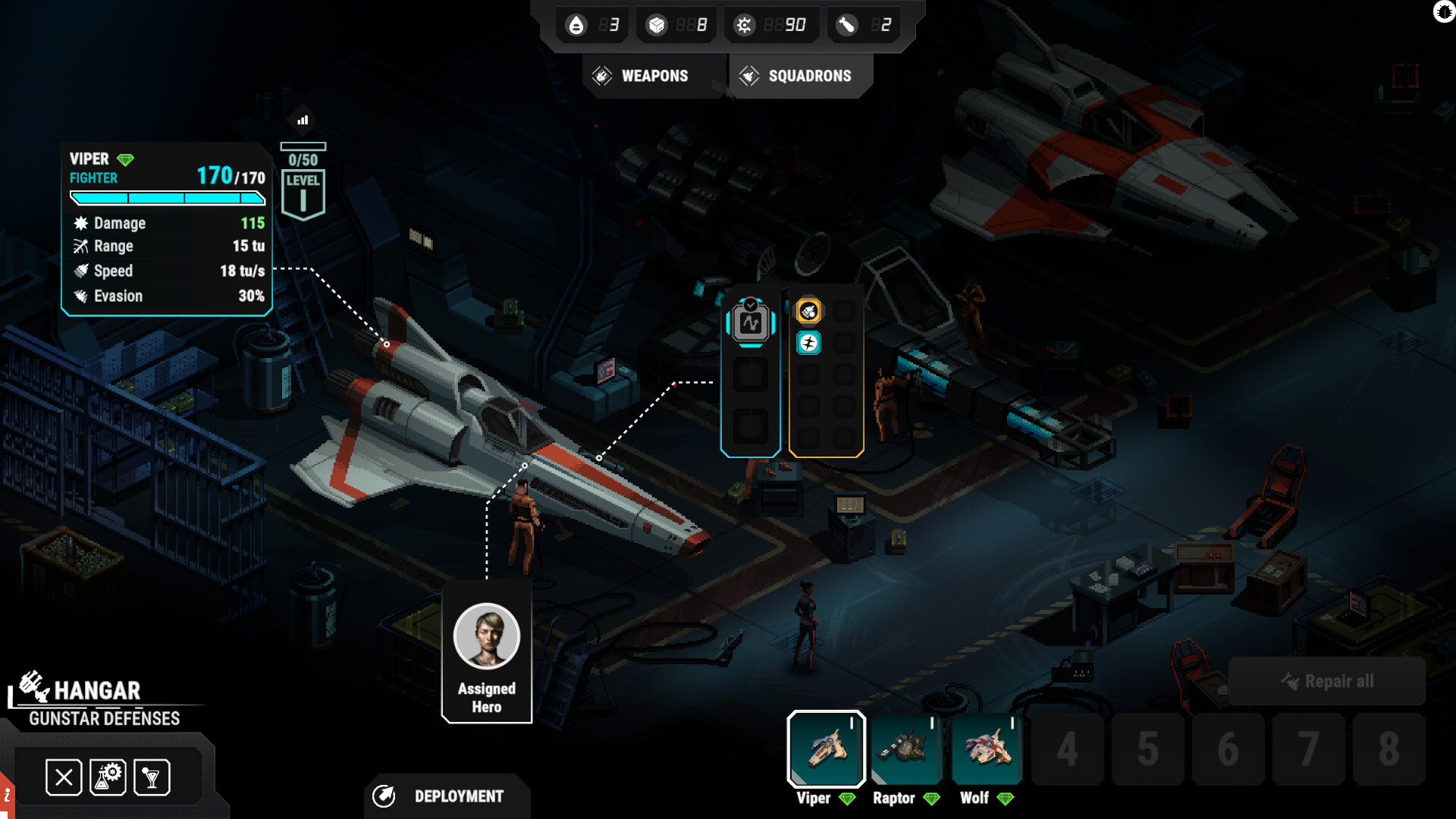
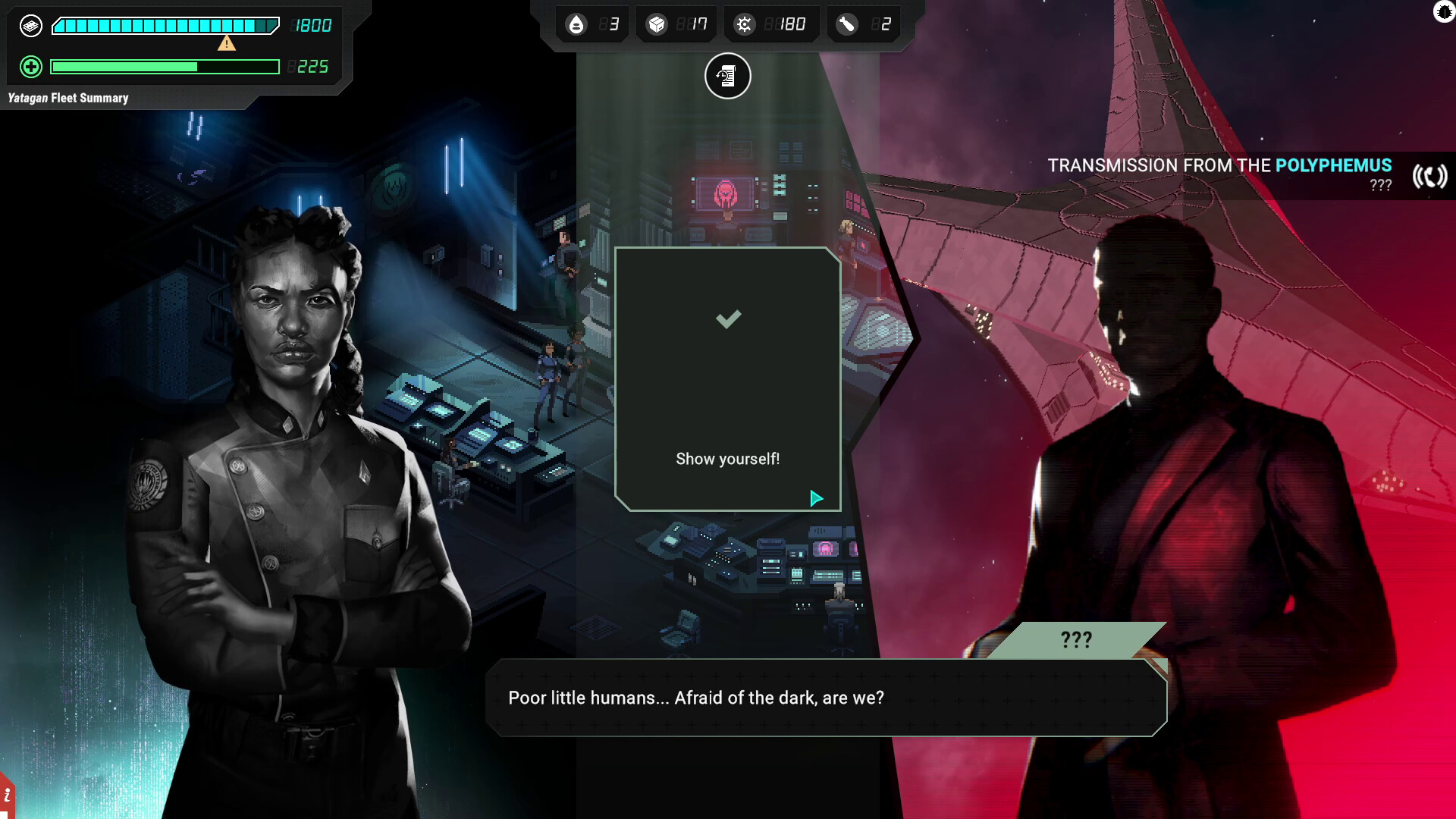
The pixel-detailed interiors and 3D ship models create a retro-meets-modern aesthetic that leans into the show’s mood; music and sound design — including familiar BSG cues — sell the panic effectively. However, the UI can feel cluttered during busy management turns and the camera in battle is criticized for being a touch too close. Some players report stutters and even save corruption edge cases; I experienced minor performance hiccups in longer sessions. These are fixable, but they remind you this is a passionate indie project, not a polished AAA release.
Where It Stands Compared to Its Peers
If you liked FTL’s tense resource economy or Crying Suns’ narrative roguelite framework, Scattered Hopes will feel familiar but distinct: it blends those DNA strands with a tactical pause combat layer reminiscent of a lighter RTS/tower-defense hybrid. It’s more forgiving than long-form strategy like Deadlock in terms of session length, but it keeps the pressure high in a manner very faithful to the BSG tone.
Battlestar Galactica: Scattered Hopes is a heartfelt indie take on fleet survival — equal parts tension, choice and tactical crisis management. It won’t reinvent roguelites, but it blends familiar systems into a distinctly BSG-flavored package that’s often thrilling and occasionally frustrating. Recommended for fans of Crying Suns, FTL-style runs, and anyone who wants tight sessions soaked in narrative pressure — but keep an eye on patches if you worry about stability.
Pros
- True BSG atmosphere — sound, tension, and decision weight
- Smart mix of fleet management, procedural narrative and tactical pause battles
- Good roguelite progression with unlocks and meta upgrades
- Session length and difficulty curve suit players short on time
Cons
- Occasional performance/stutter issues and reported save bugs
- Management UI can feel cluttered during hectic turns
- Some fans may dislike non-canon ship designs and lore liberties
Player Opinion
Players praise Scattered Hopes for capturing Battlestar Galactica’s frantic tone and for a well-structured tutorial that eases you into the loop. Many comparisons to Crying Suns and FTL show up in reviews — people appreciate the tried formula refreshed with tactical pause combat and fleet-level crises. Recurrent praise focuses on atmosphere, music cues, and the satisfying stress of juggling crises while under fire. Criticisms are consistent too: a chunk of users report the difficulty can feel punishing or swingy, some dislike the liberties taken with ship designs and lore, and a number of players mention technical issues like stuttering or rare save corruption. If you liked Crying Suns or enjoy management roguelites with short sessions, this is likely for you; if you expect deep new lore or a flawless launch, temper expectations.