




Blades of Fire Review – A Heavy, Thoughtful Soulslike with a Blacksmith's Heart
I played MercurySteam's Blades of Fire on Steam (Version 2.0). A deliberate combat loop, deep forging, and a world that rewards curiosity — not for everyone, but unforgettable if you commit.
Blades of Fire is one of those games that asks you to slow down and actually think about every swing. MercurySteam took a clear design stance: steel matters, and forging is commitment, not loot spam. If you like deliberate, tactile combat — think a more focused mix of soulslike precision and weapon-simulation fiddliness — this game scratches that itch. Version 2.0 tidies a lot up, adds New Game Plus, Titanium difficulty and creature comforts like Photo Mode and DLSS4, making the experience far more complete than at launch.
Forging Is a Promise
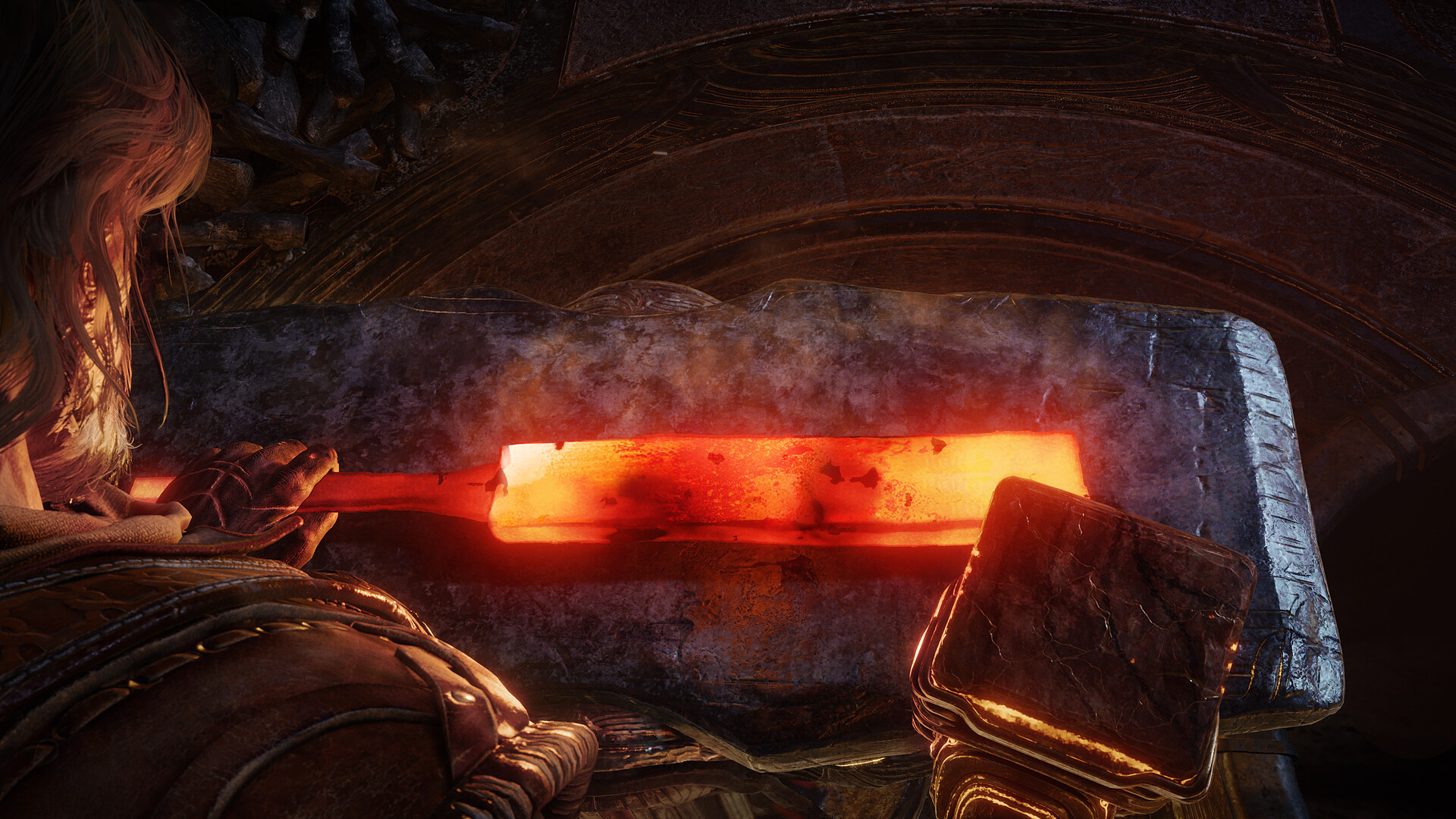
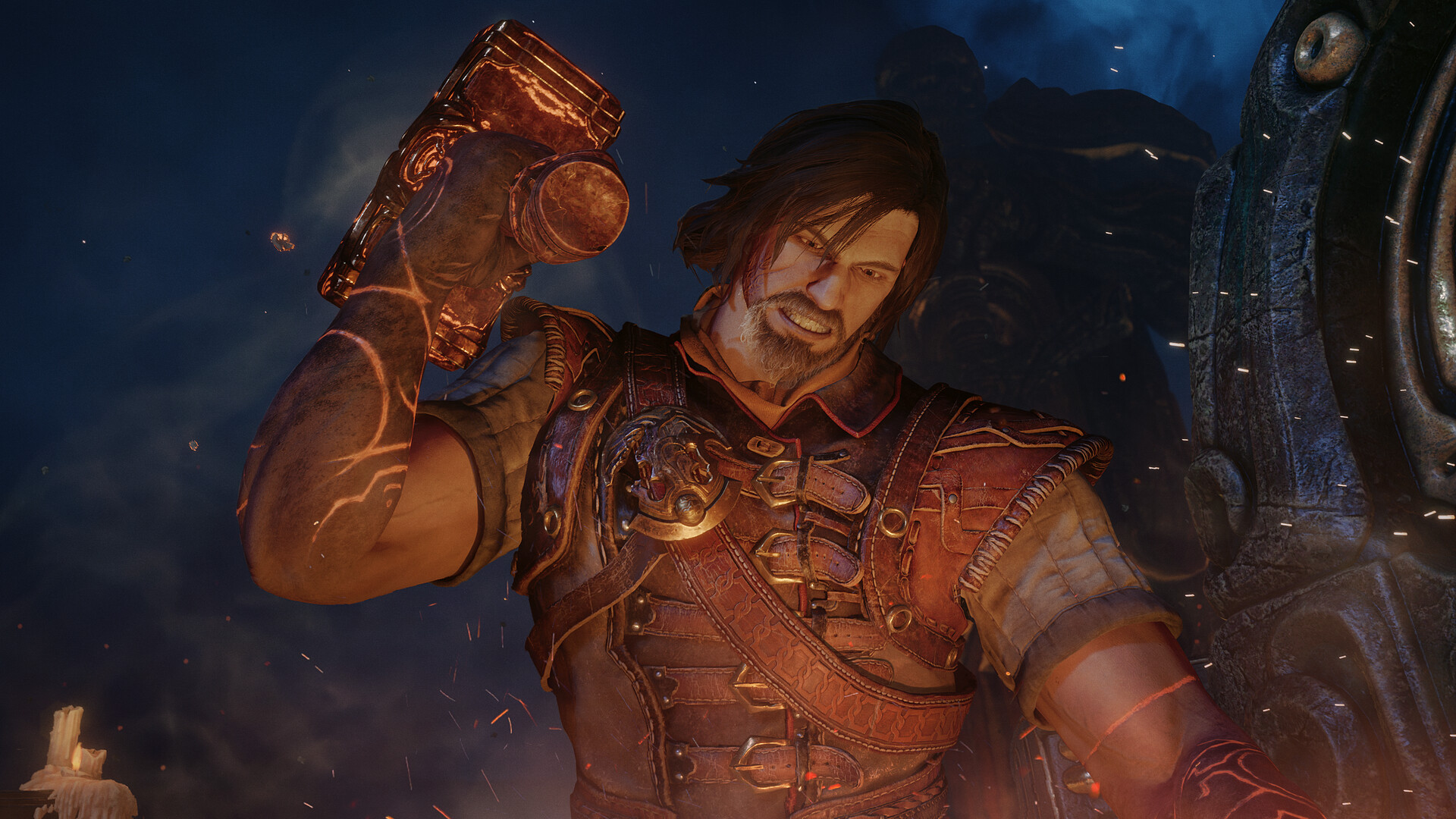
The heart of Blades of Fire is the anvil. You do not grind for endless loot here; you make a weapon and that weapon remembers your choices. Forging blends material selection, modular parts and a tempering minigame that decides durability and repair windows — it feels like a compact smith simulator with real consequences. In practice I spent as much time in the forge as I did on the battlefield, tuning reach, balance and attack types to match specific enemy archetypes. That commitment makes progression meaningful: when you finally swing a blade you forged for a fight, hits land with satisfying heft and intent. It also raises stakes — losing a favorite weapon on death is actually tense.
Combat That Wants You to Think Before You Swing
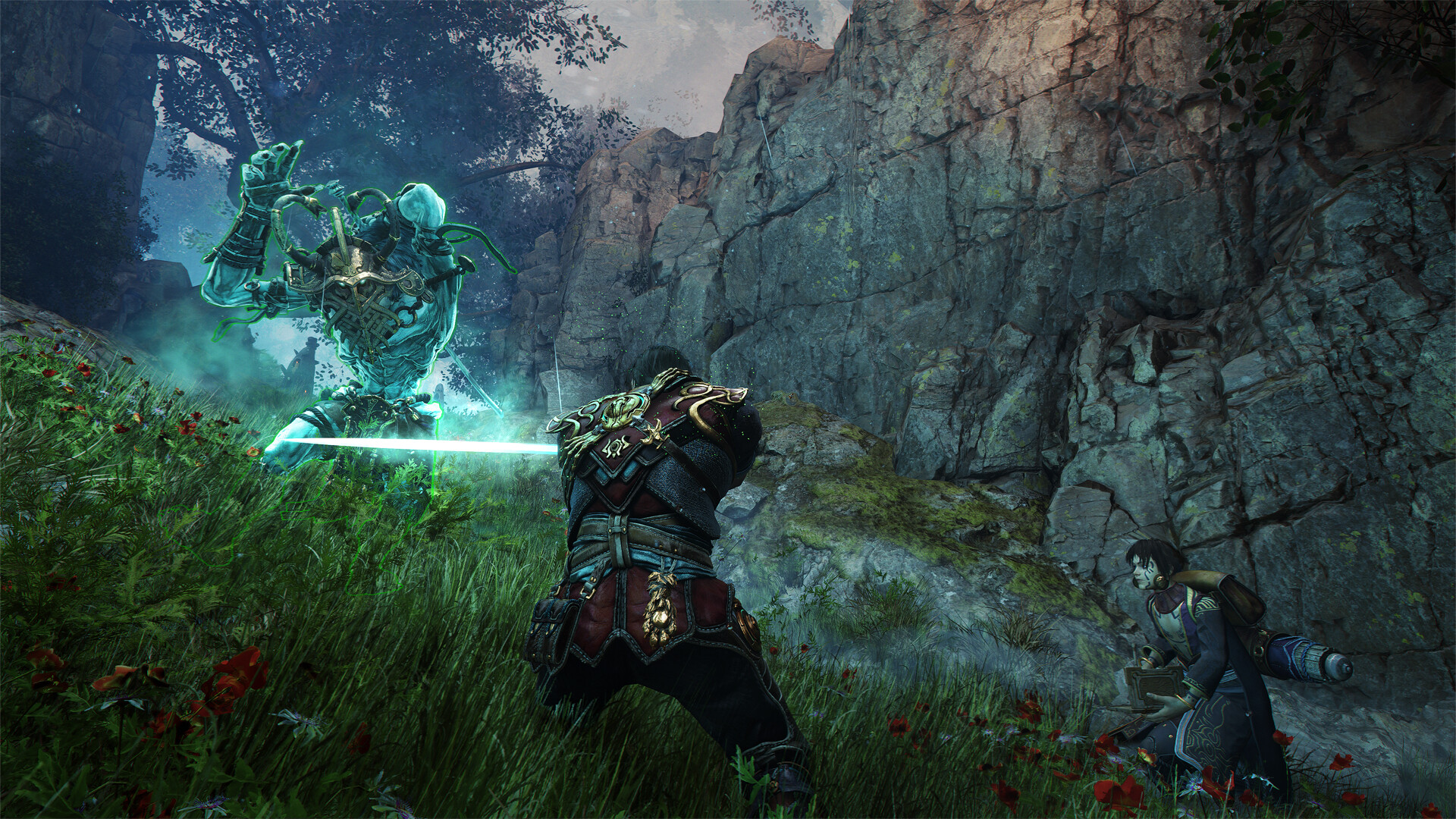
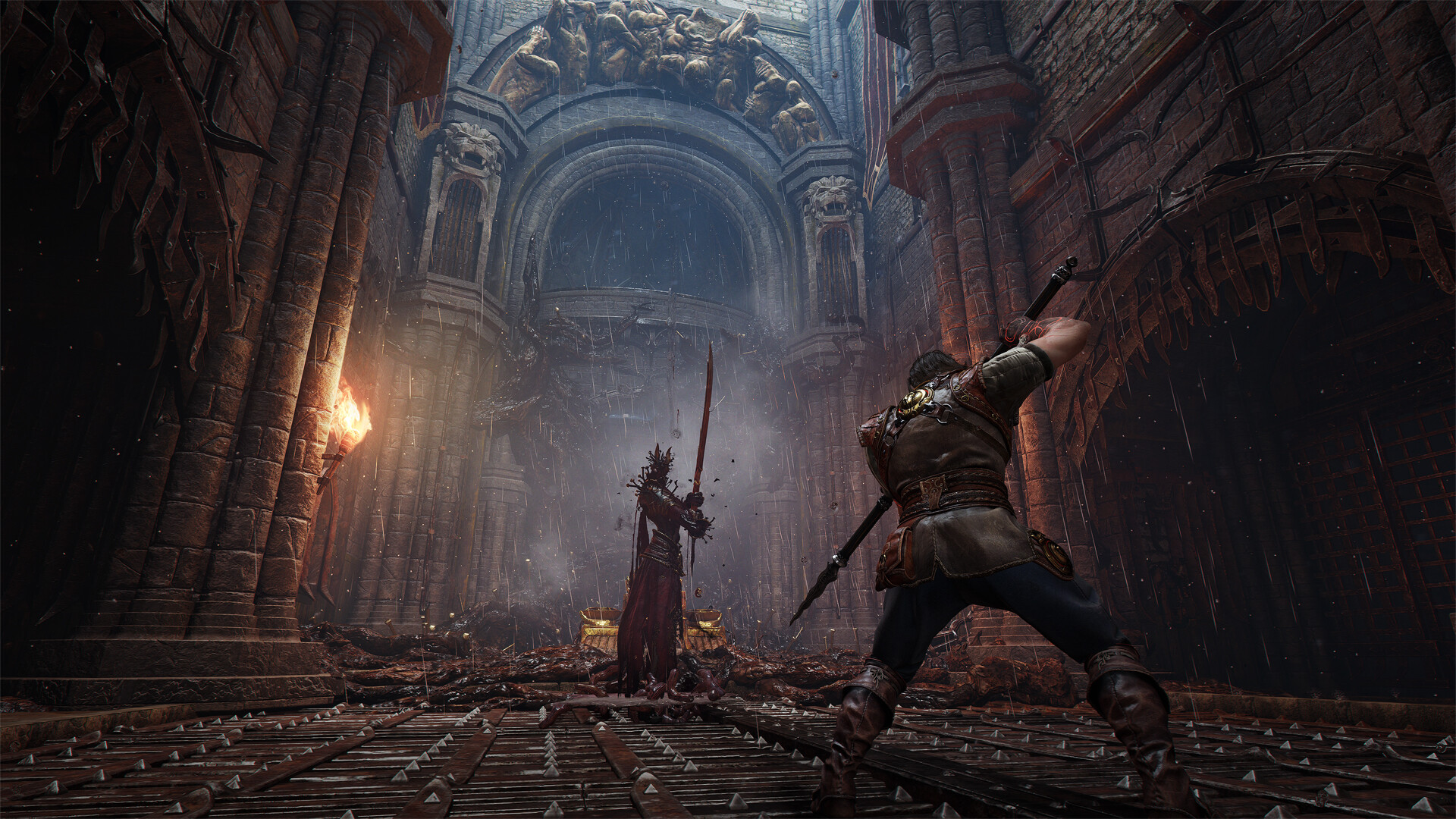
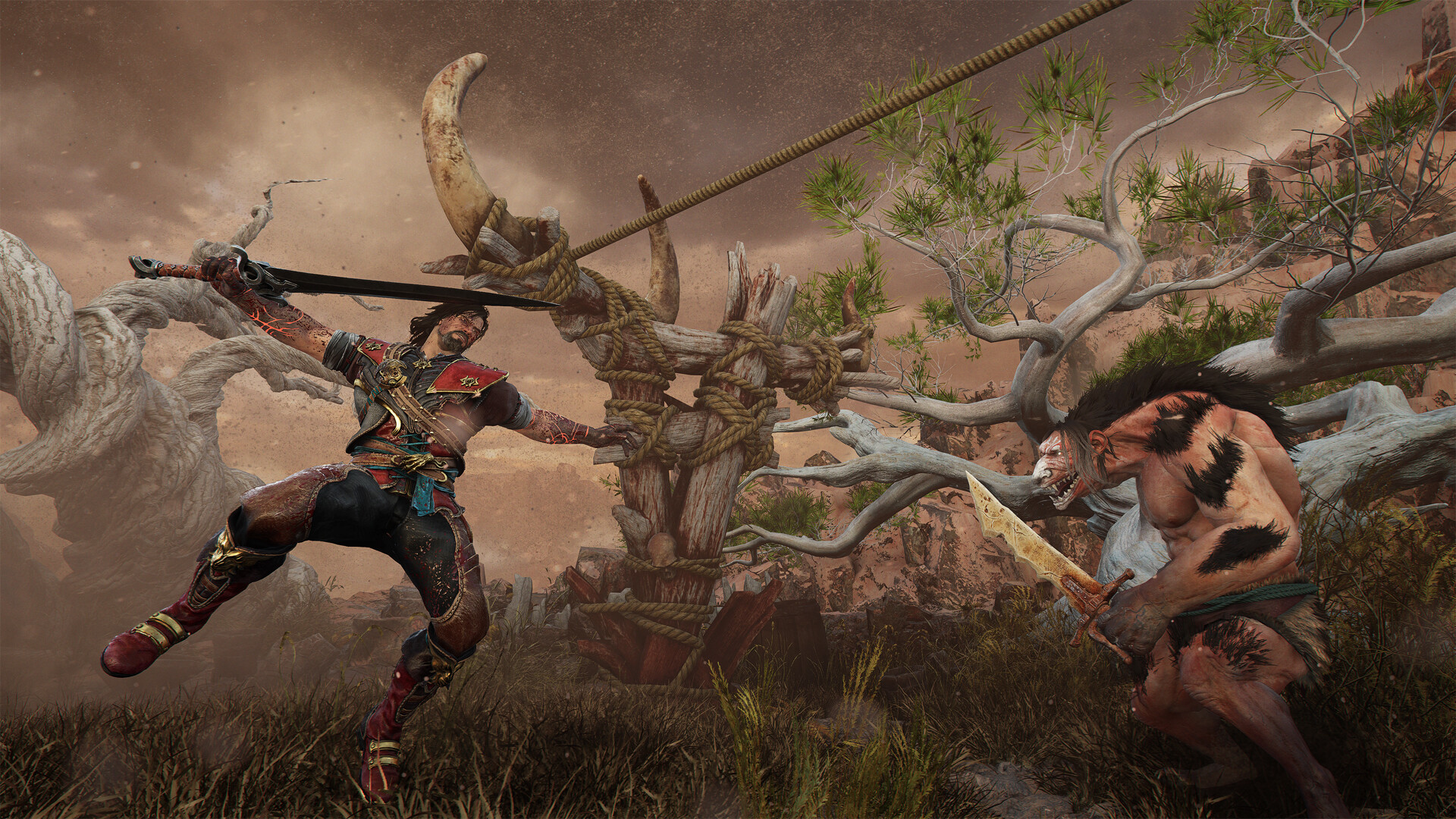
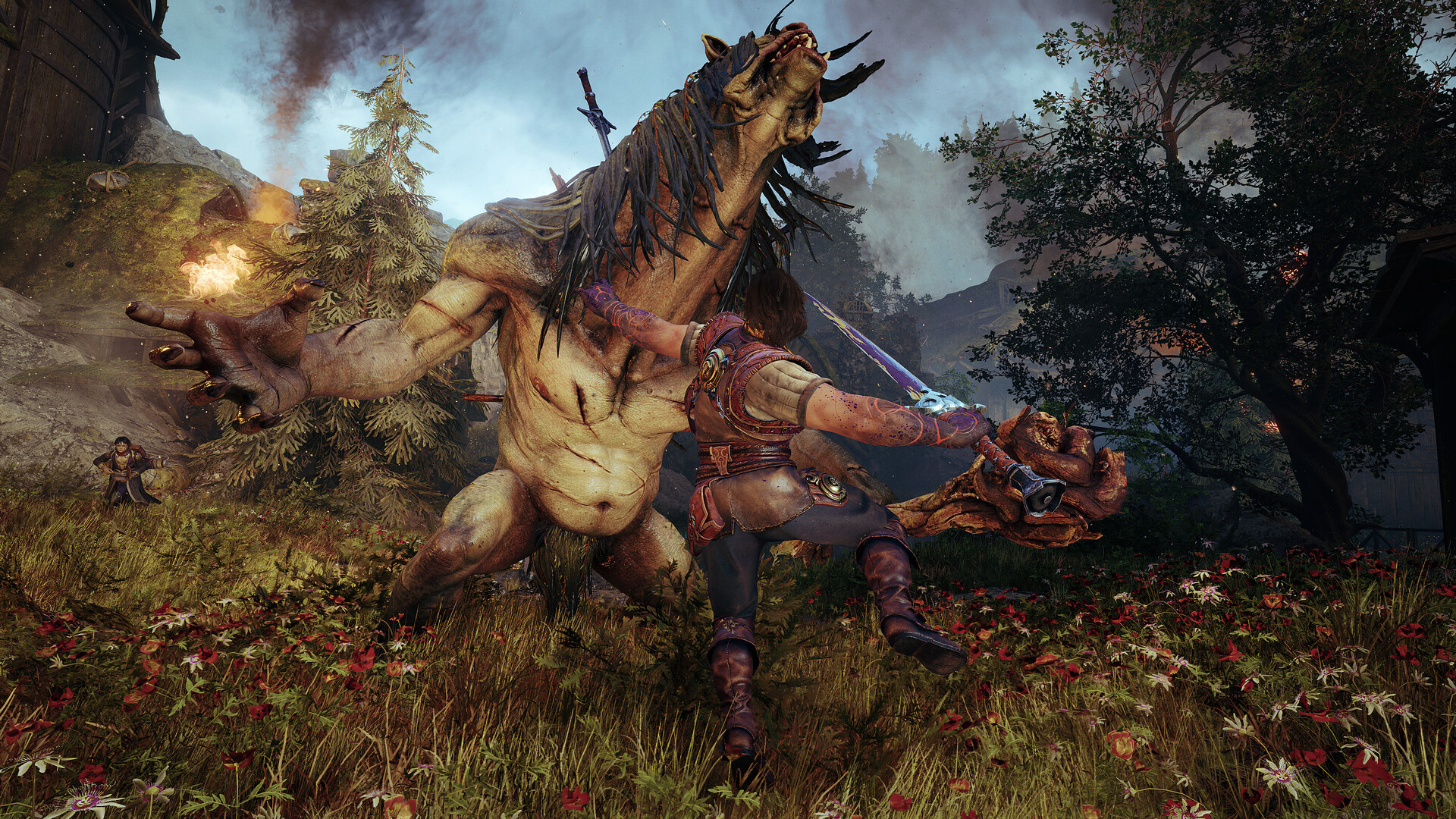
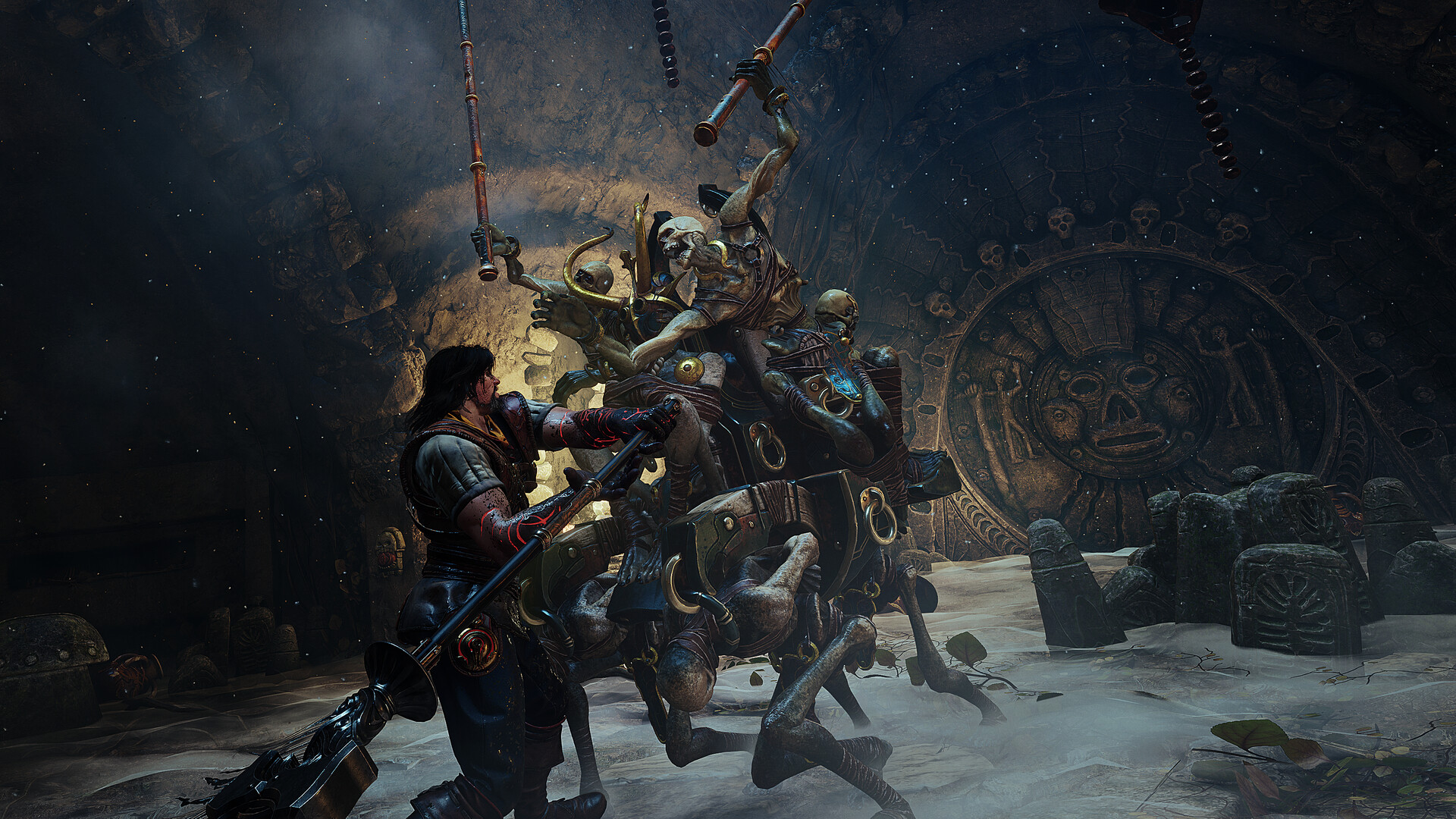
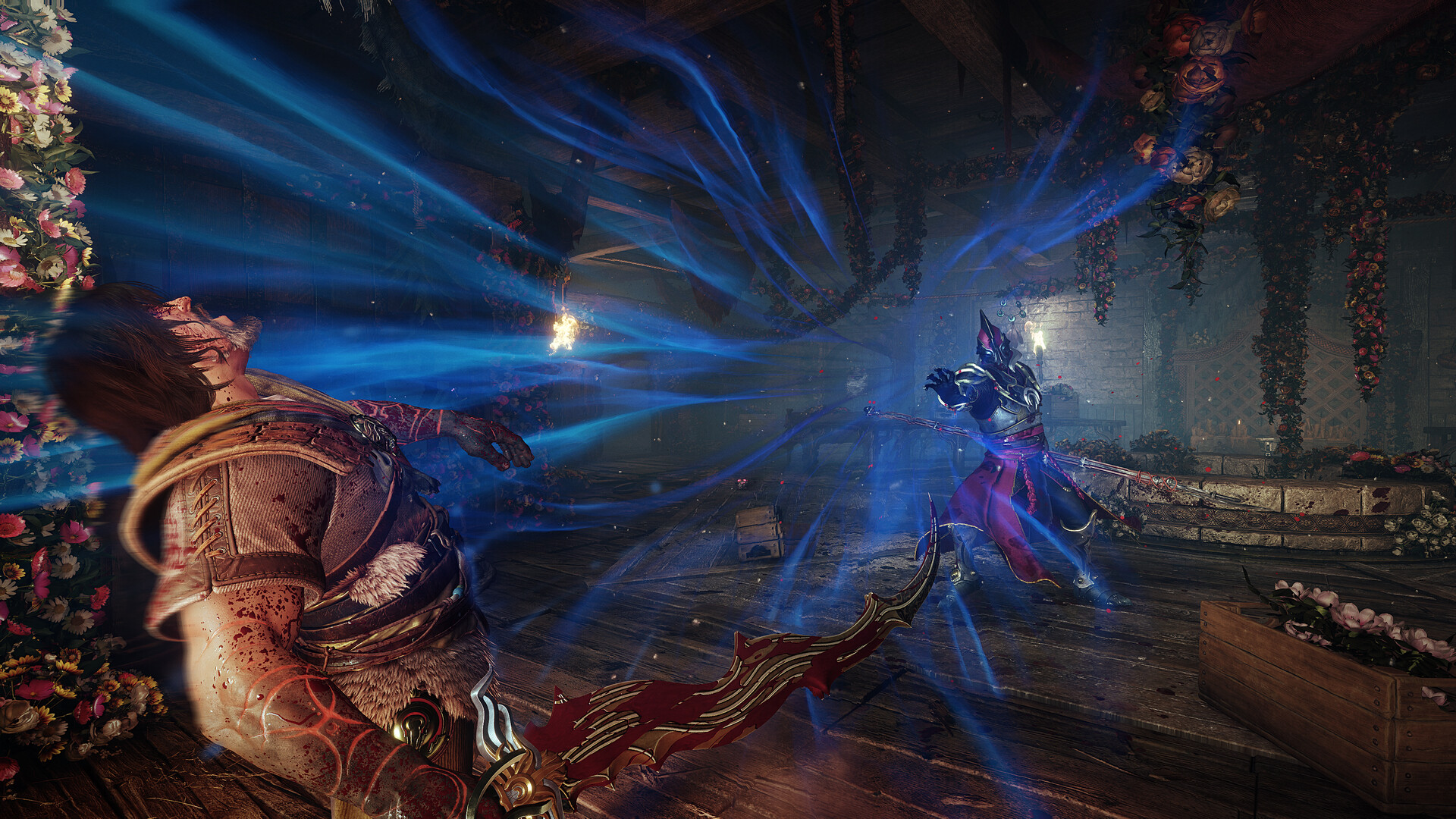
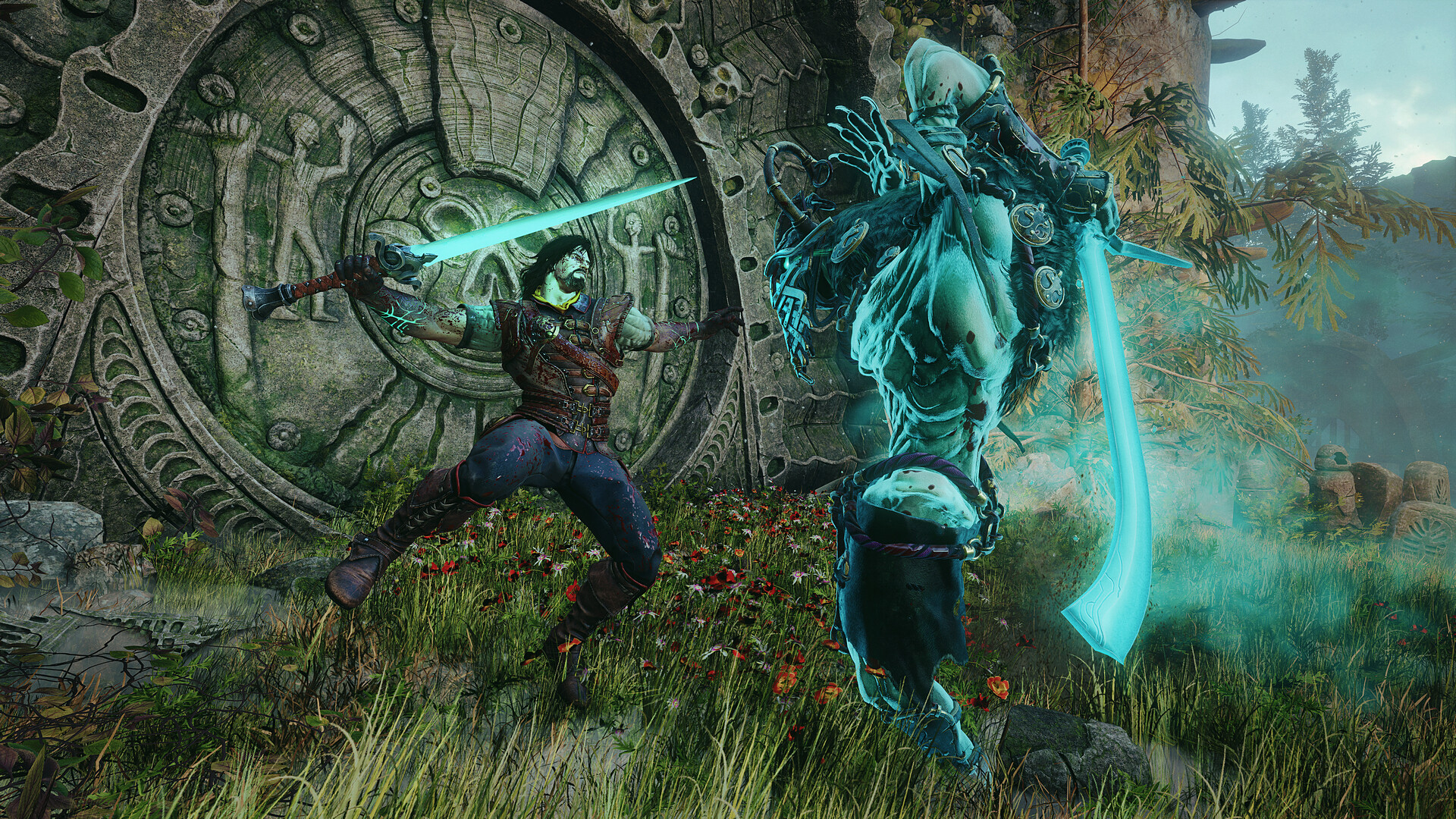
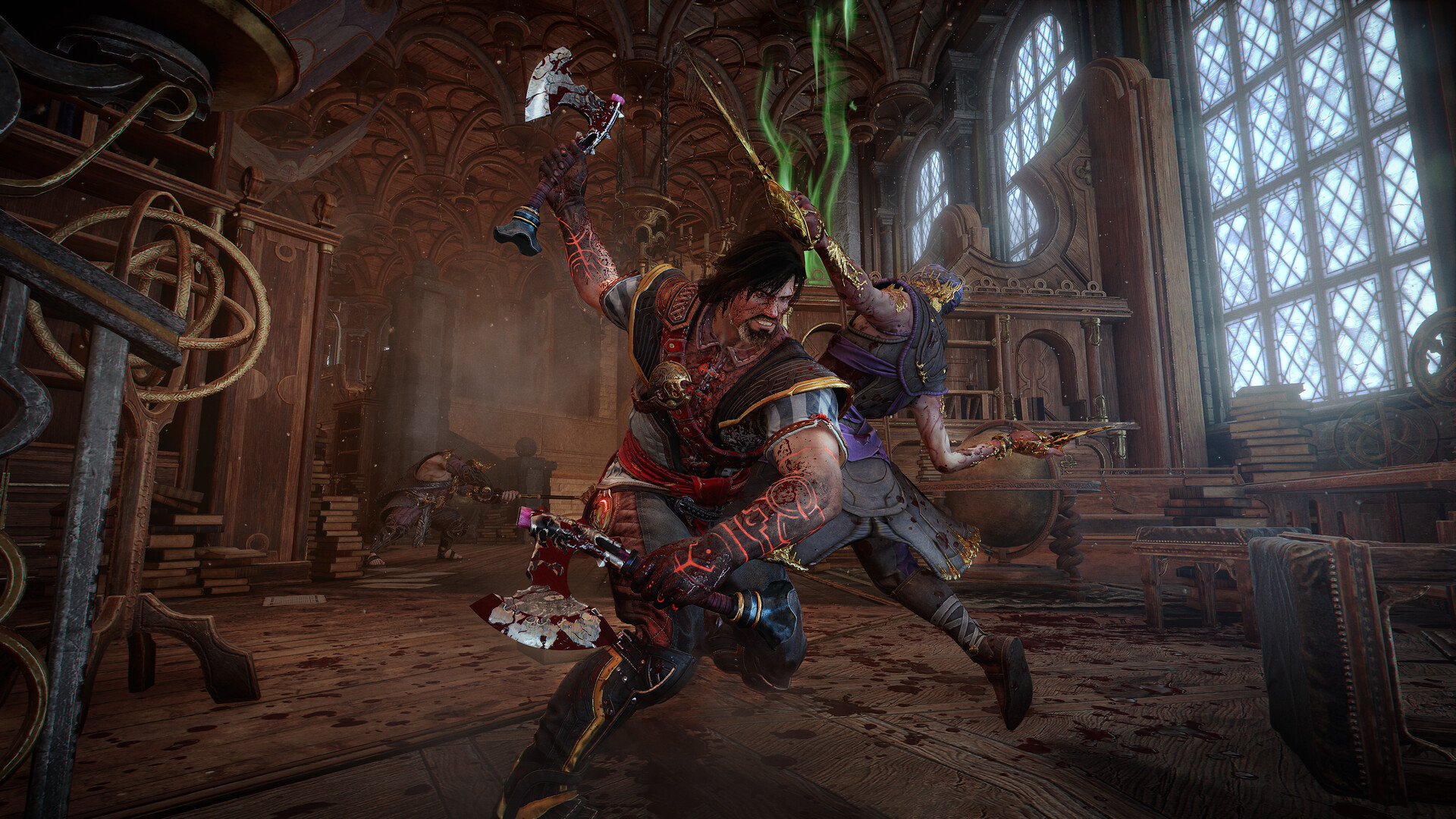
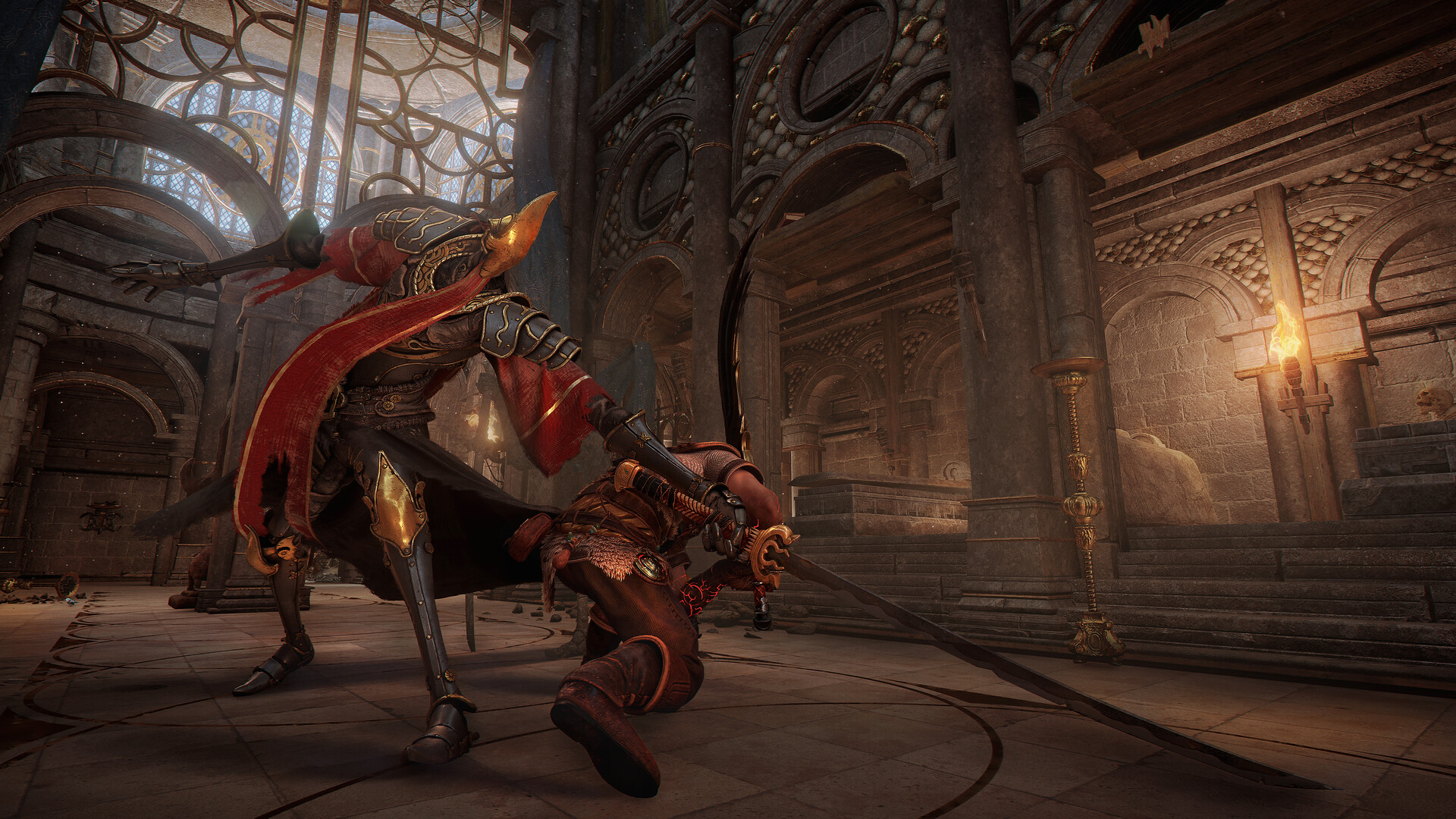
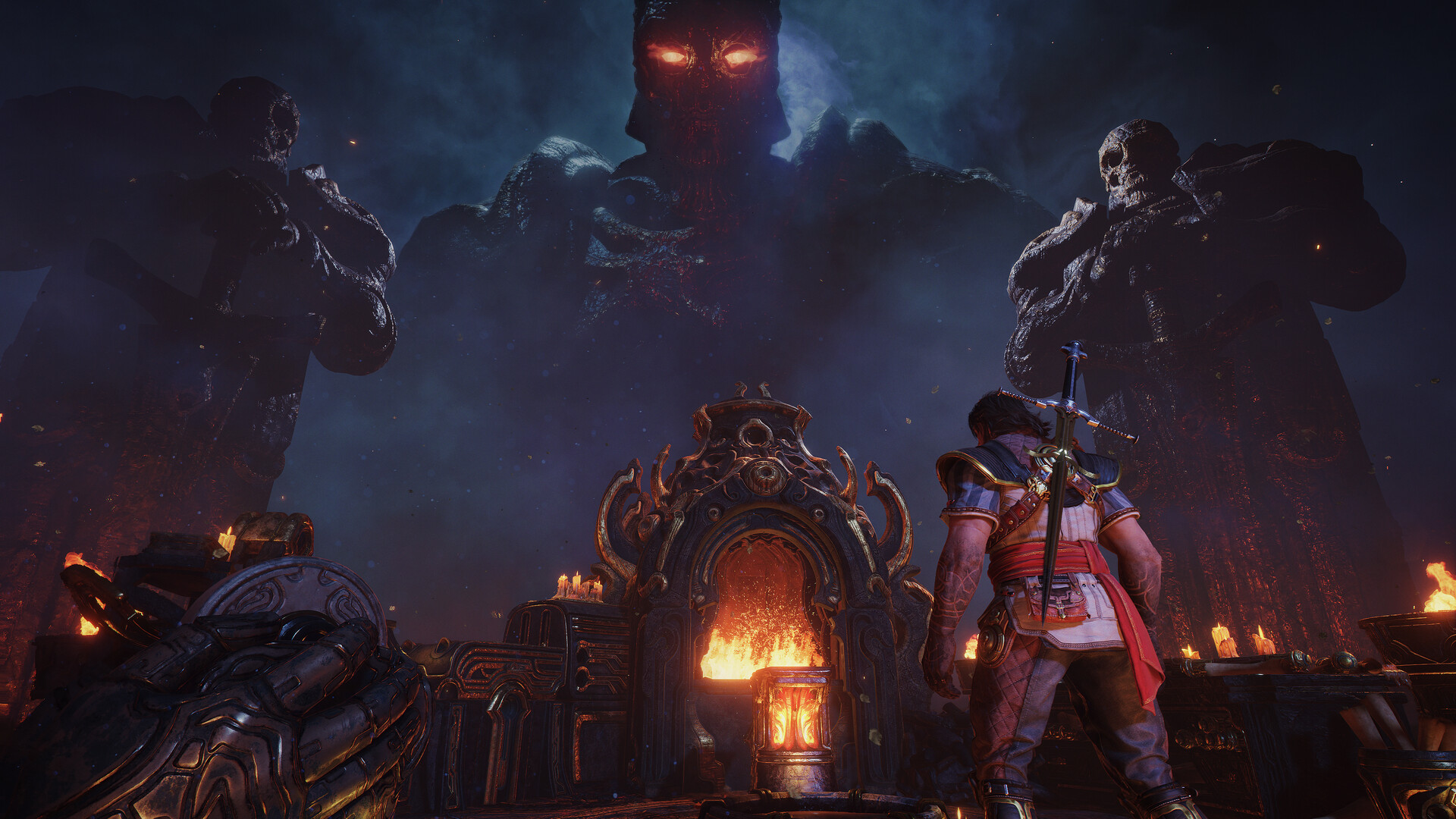
Combat is slow, tactical and often brutal. Timing, spacing, stamina and direction matter more than mashing heavy attacks, and enemies punish reckless commitments. The four-direction attack system combined with light/heavy variants and attack arcs rewards positioning and reading tells; many fights feel like solving a mechanical puzzle rather than brute forcing. I ran into moments where heavy swings were routinely interrupted by overzealous foes, which forced me to adjust approach rather than press harder. Compared to generic soulslikes, Blades of Fire leans more into weapon identity — a cleaver handles crowd control differently to a thrusting blade against armored foes. There are rough edges in balance (reach and interruption can feel punishing), but when it clicks the combat is deeply satisfying.
A World That Hints and a Presentation That Earns Scrutiny
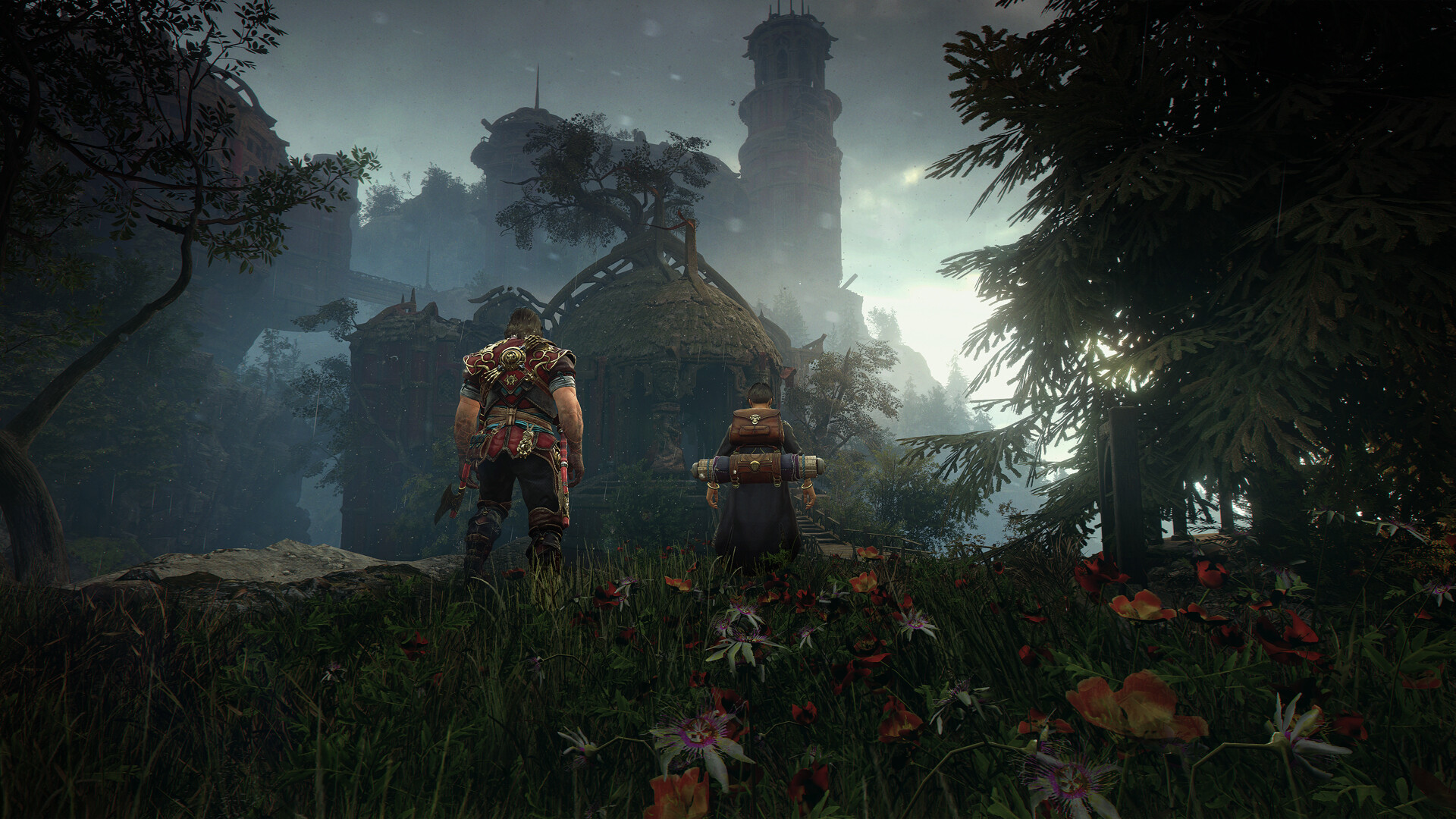
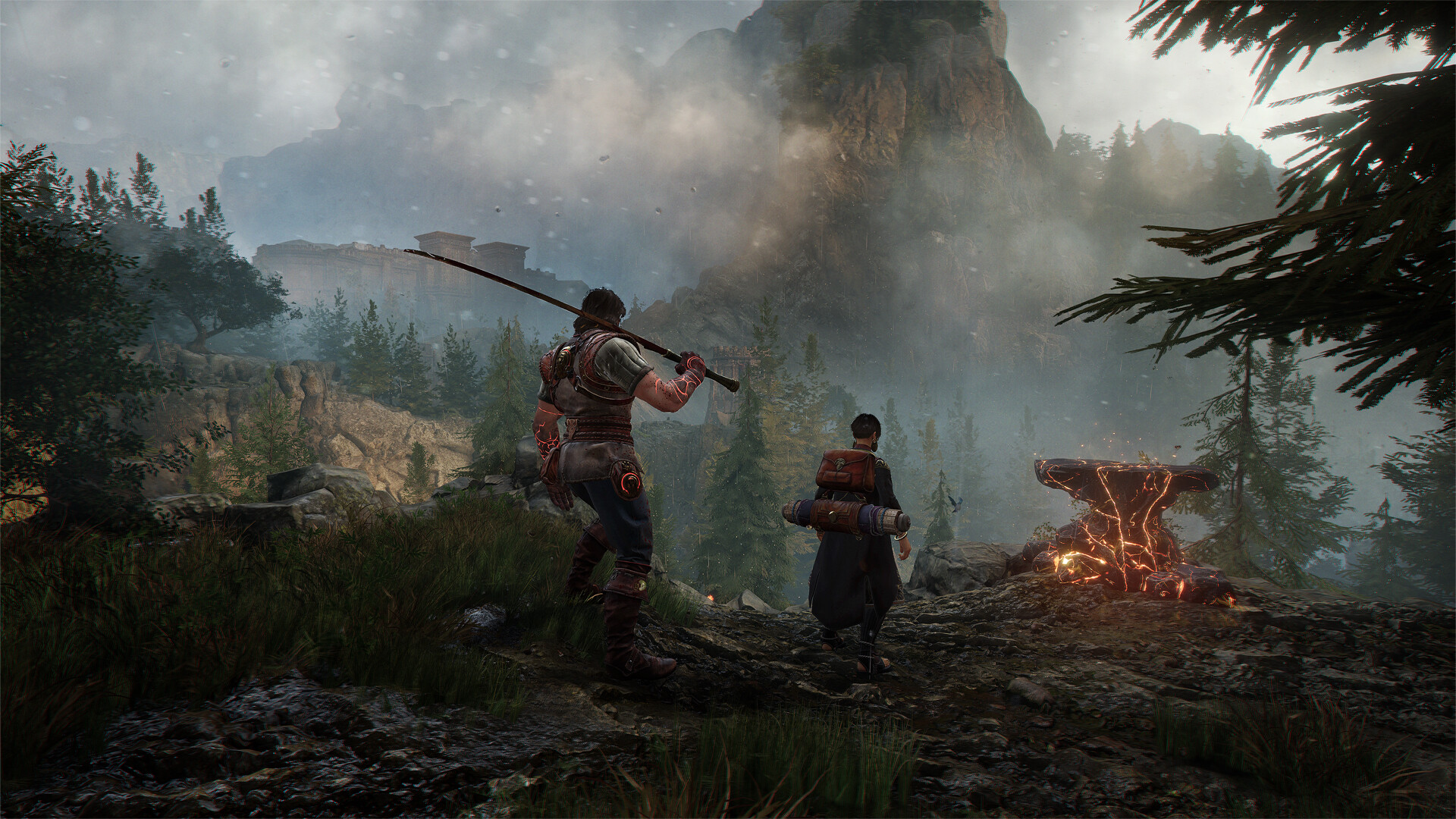
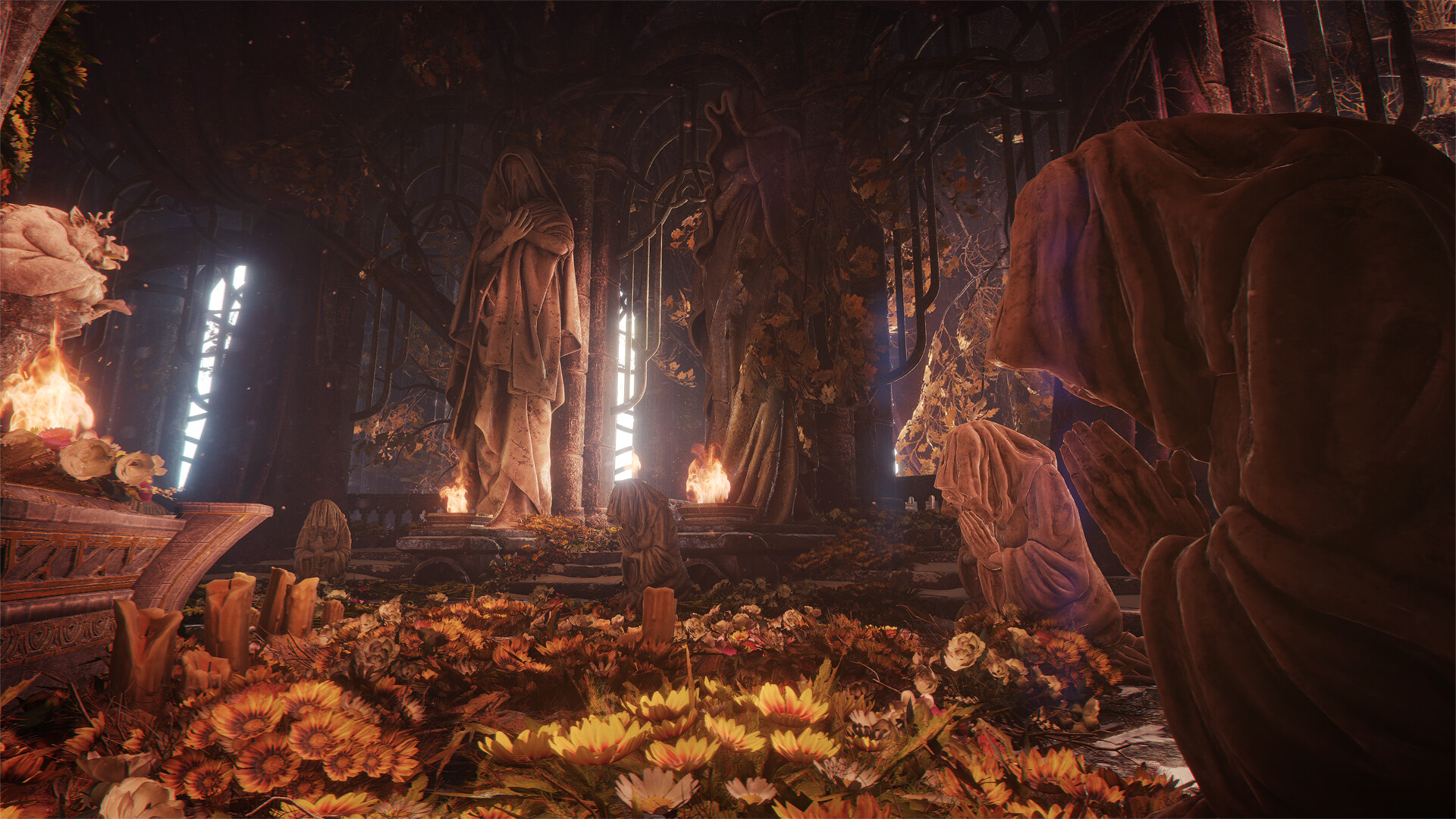
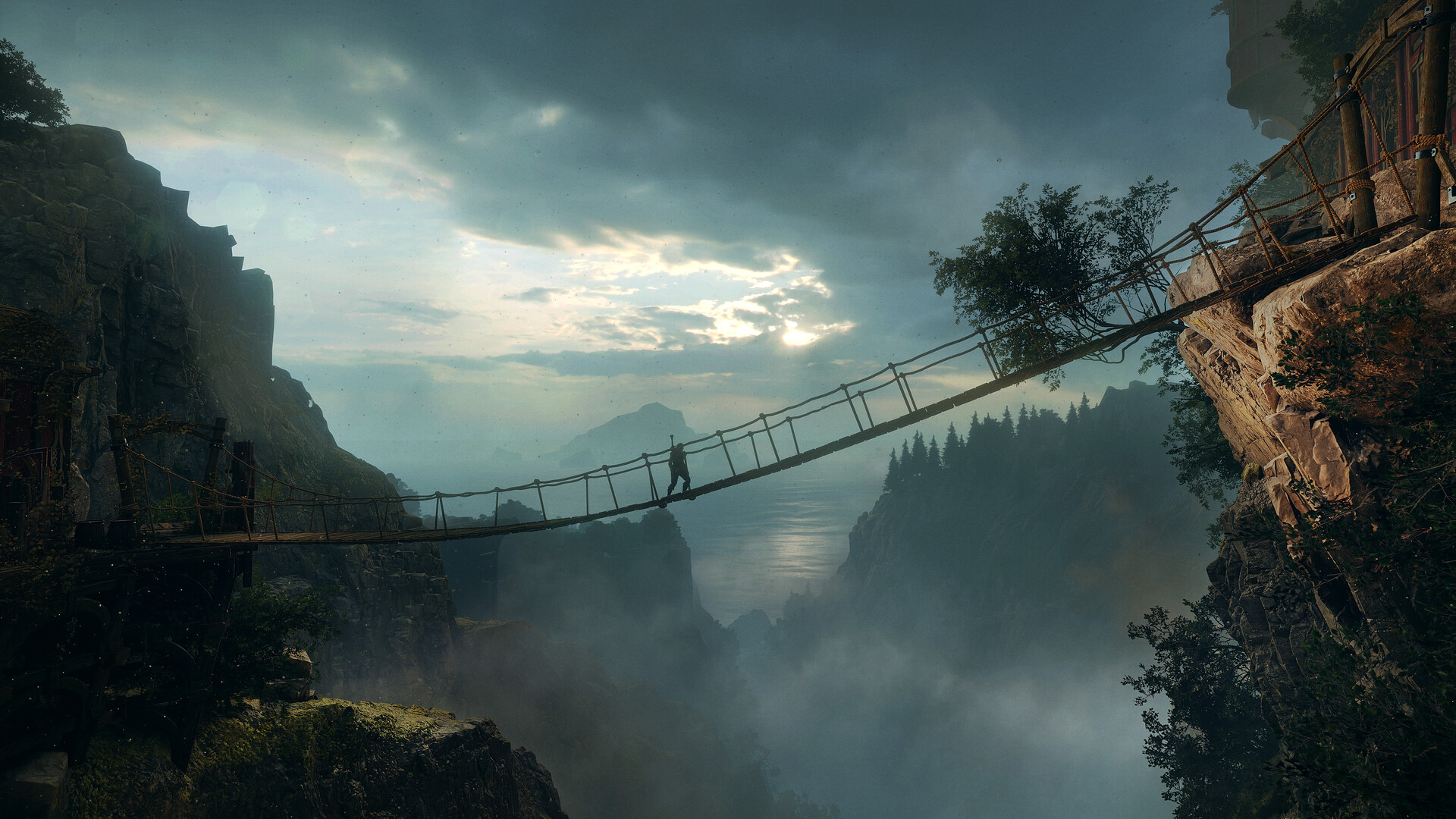
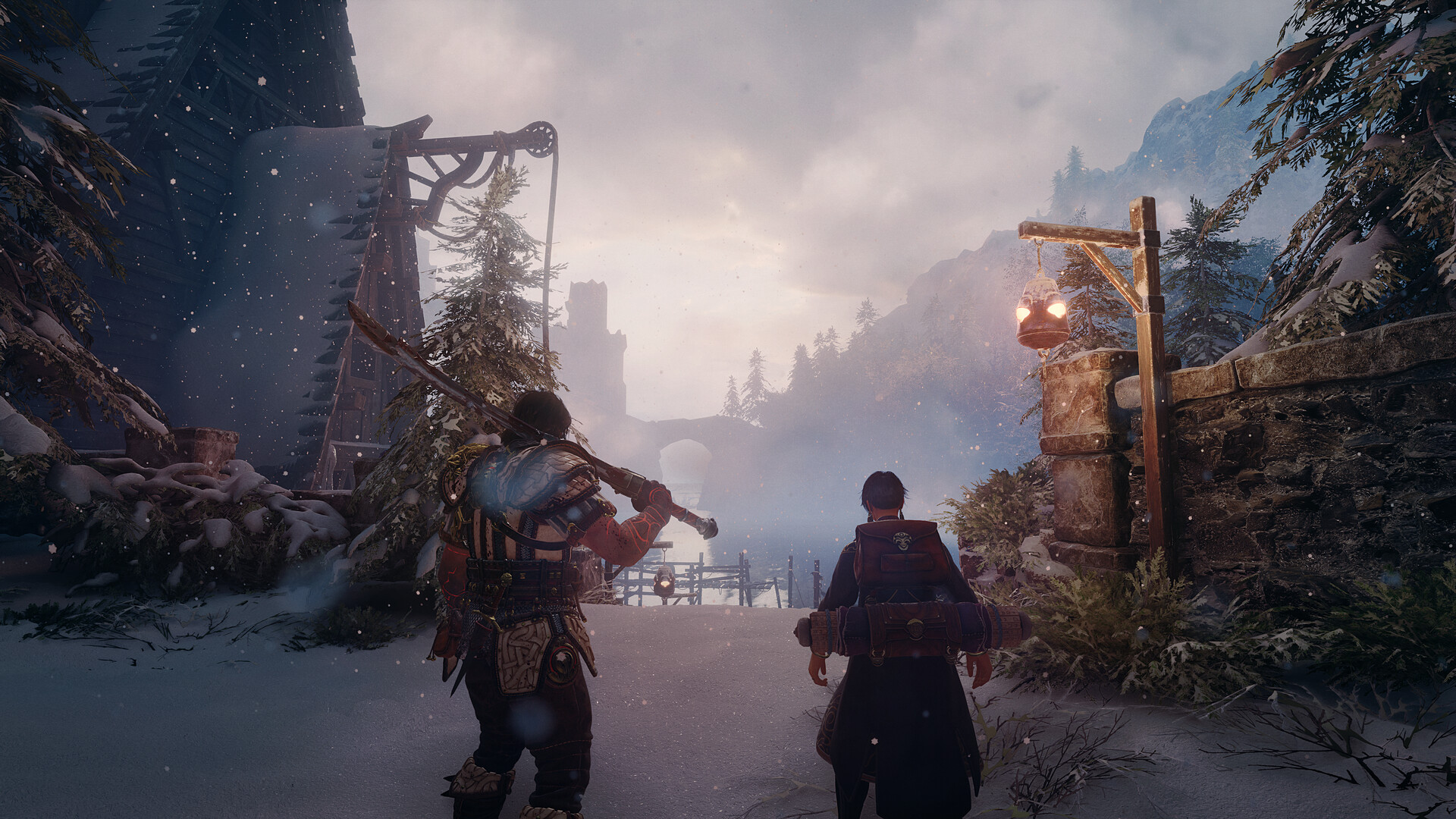
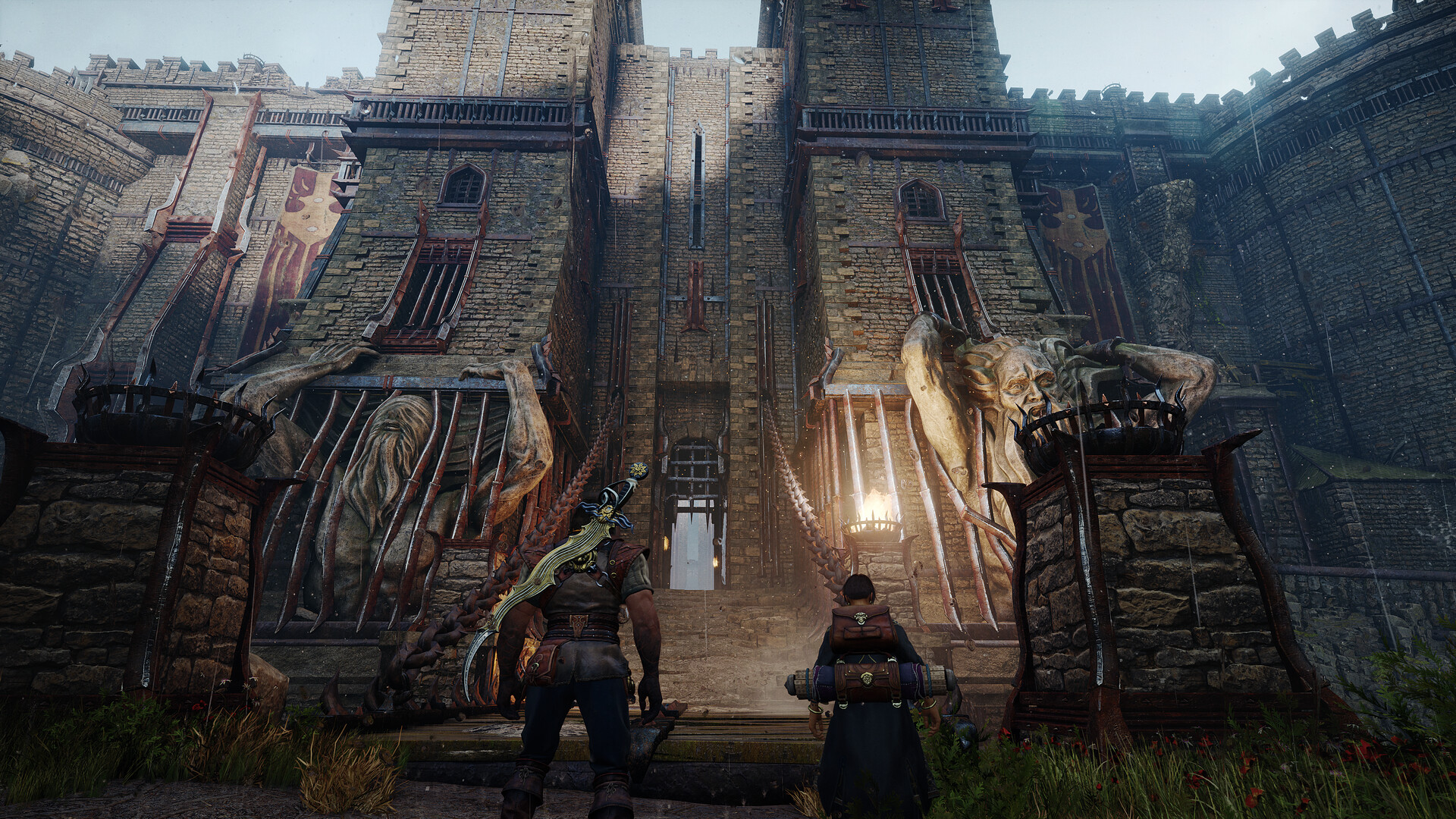
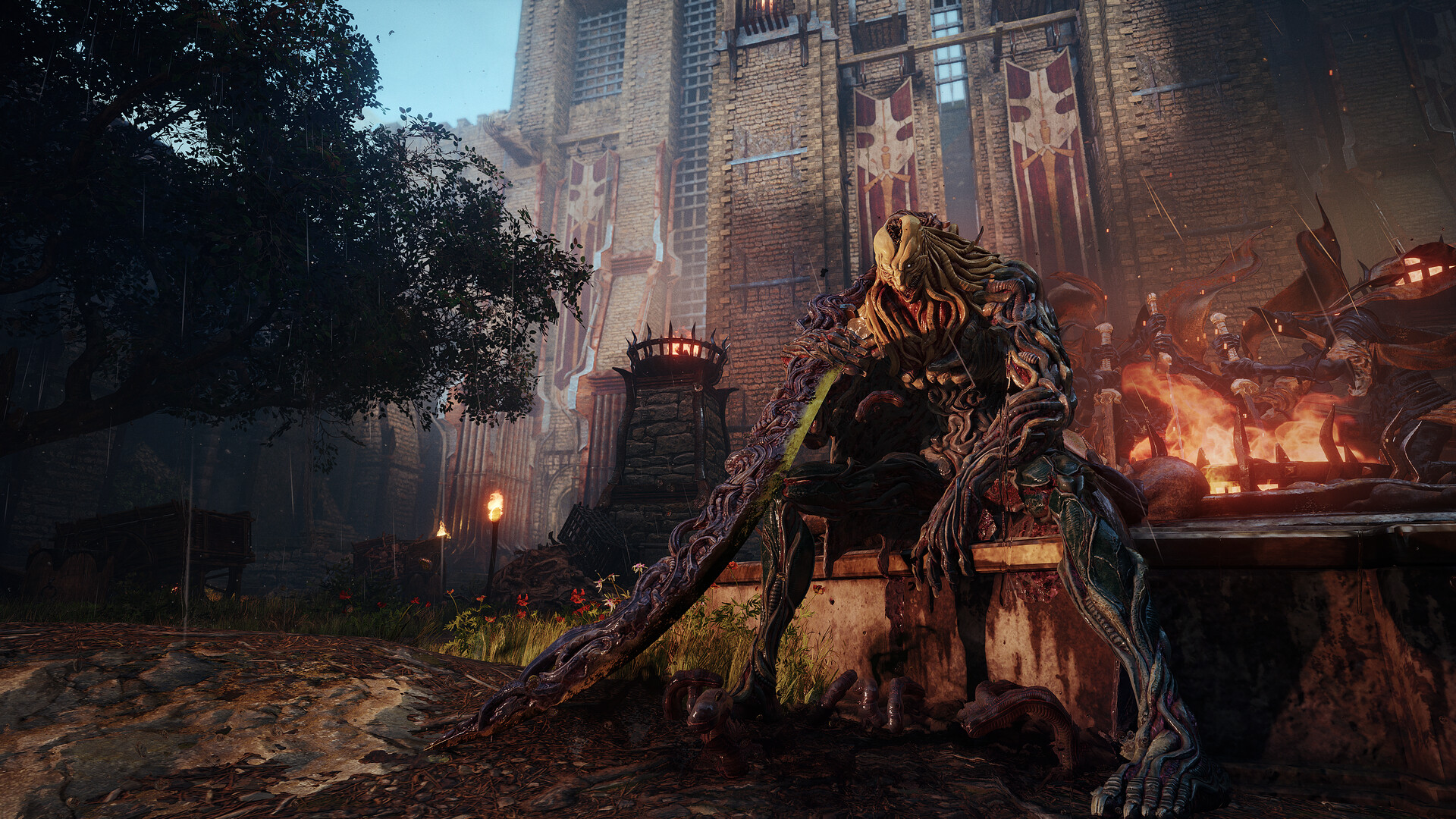
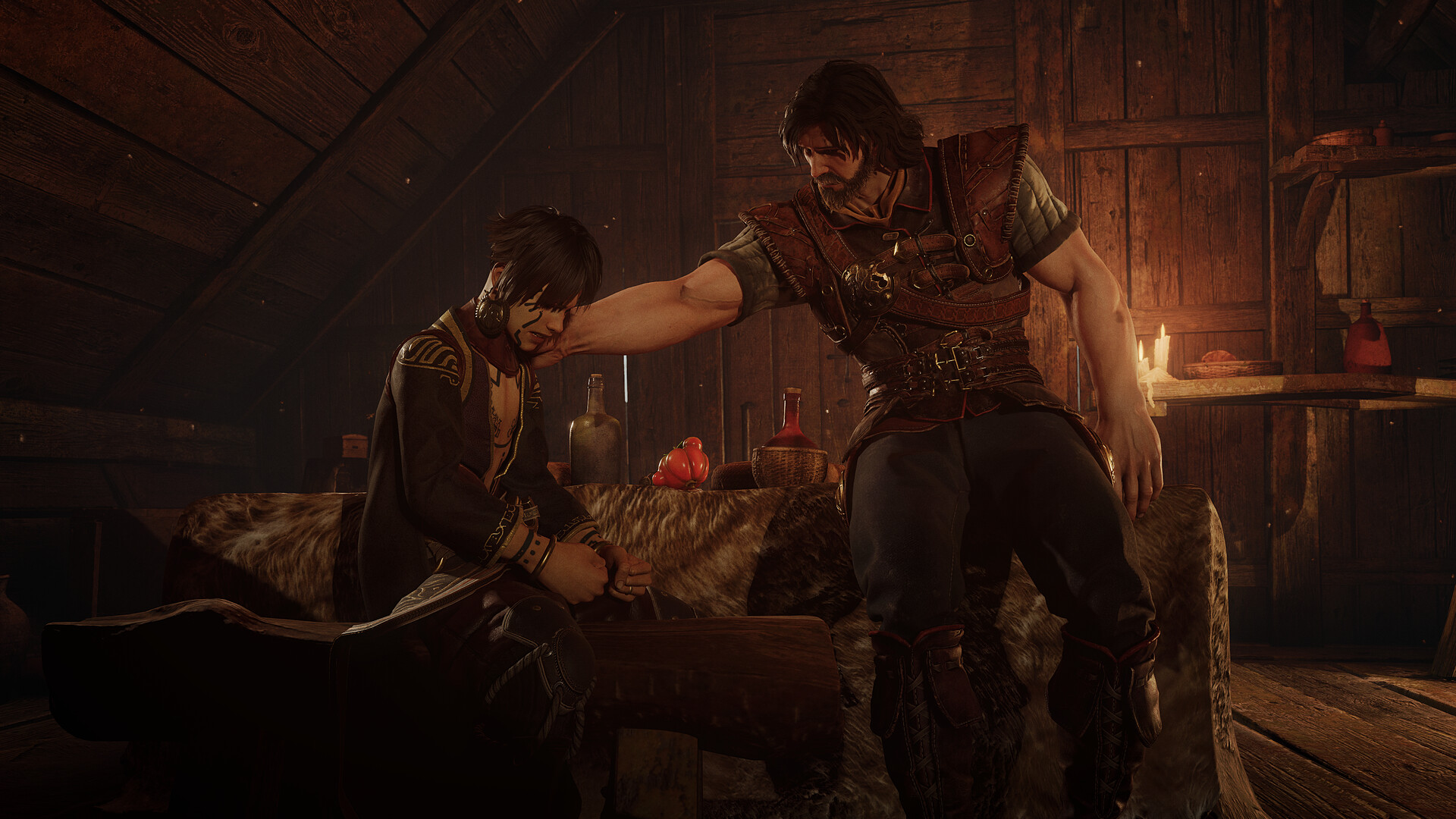
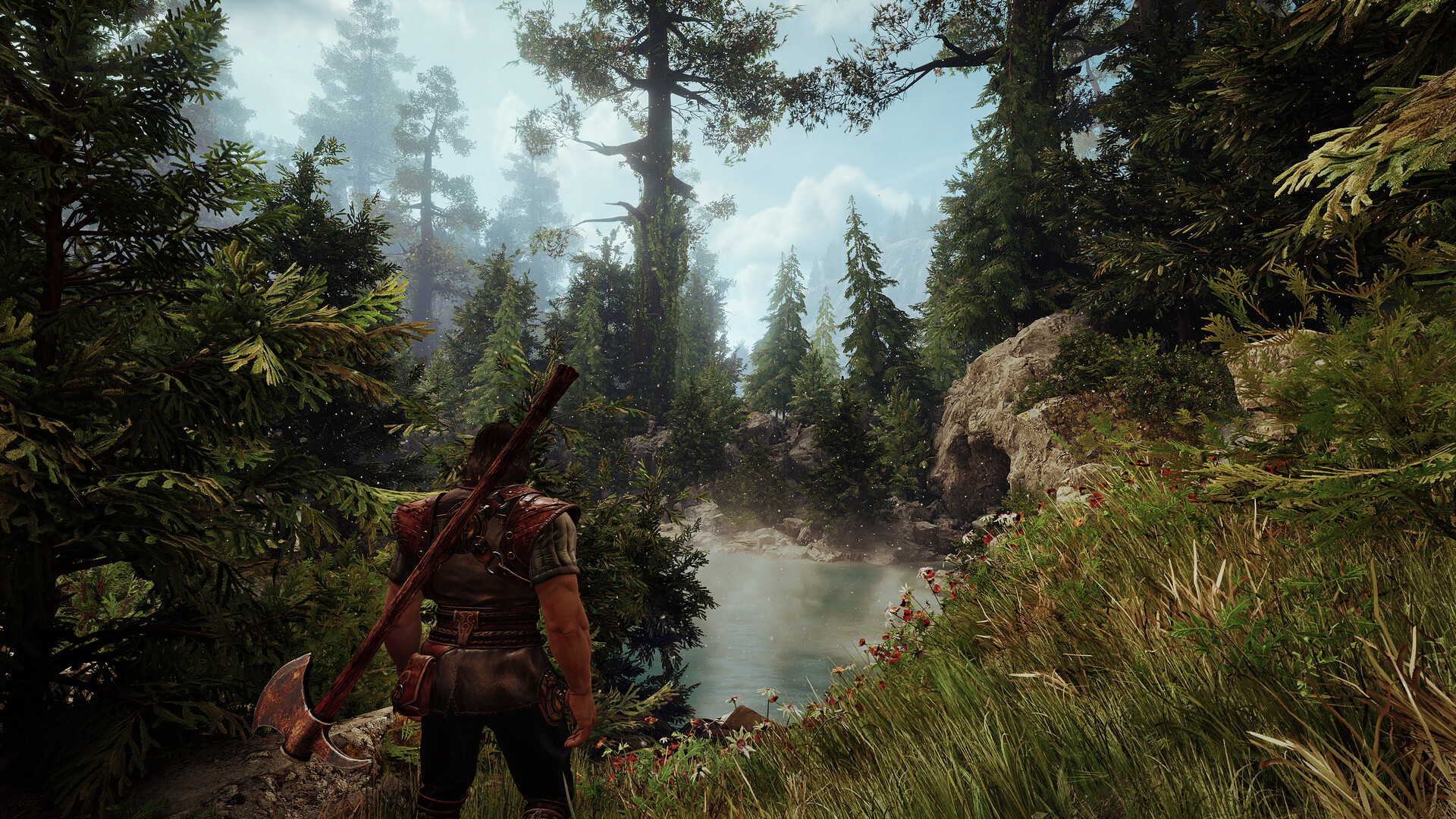
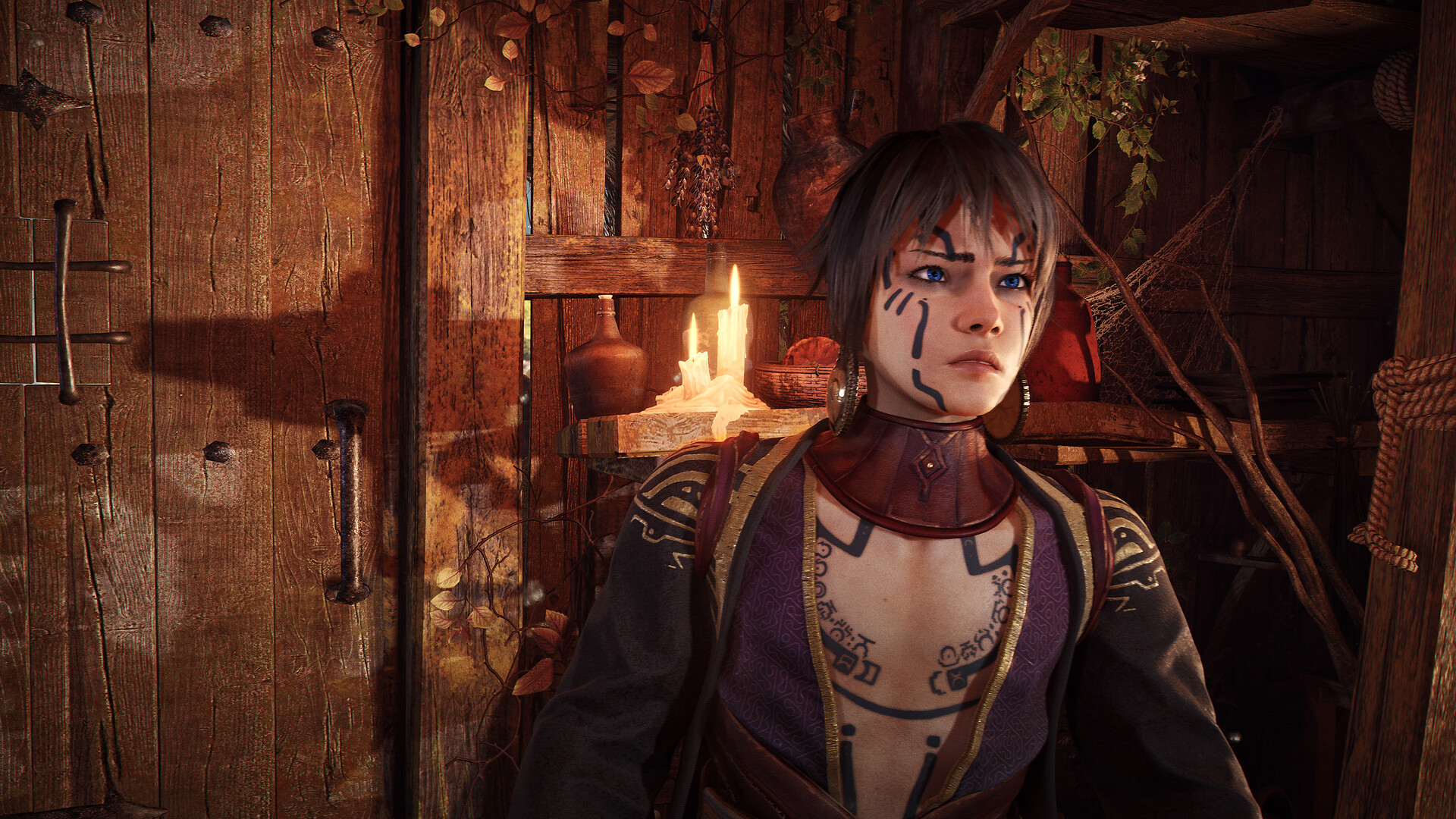
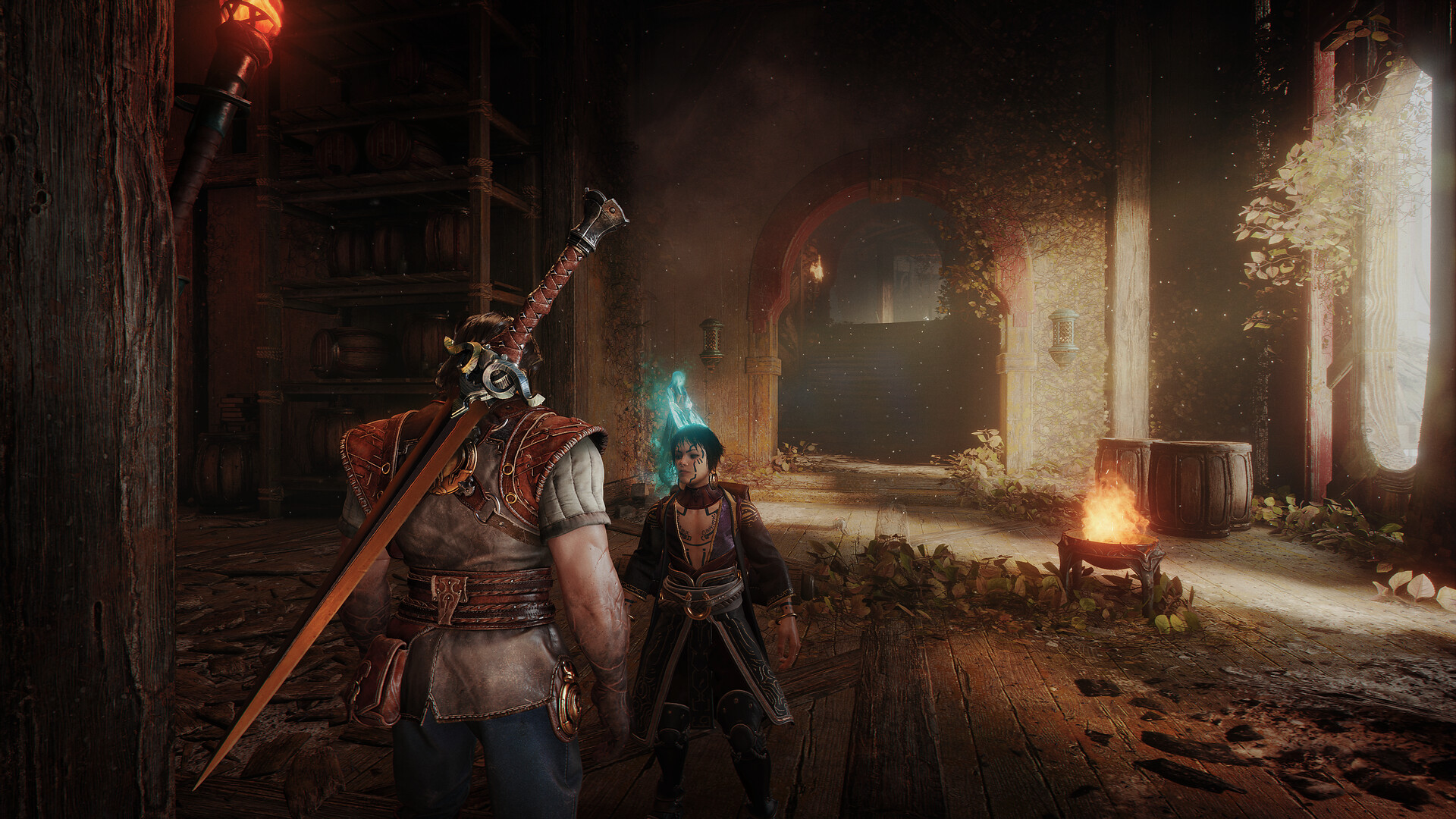
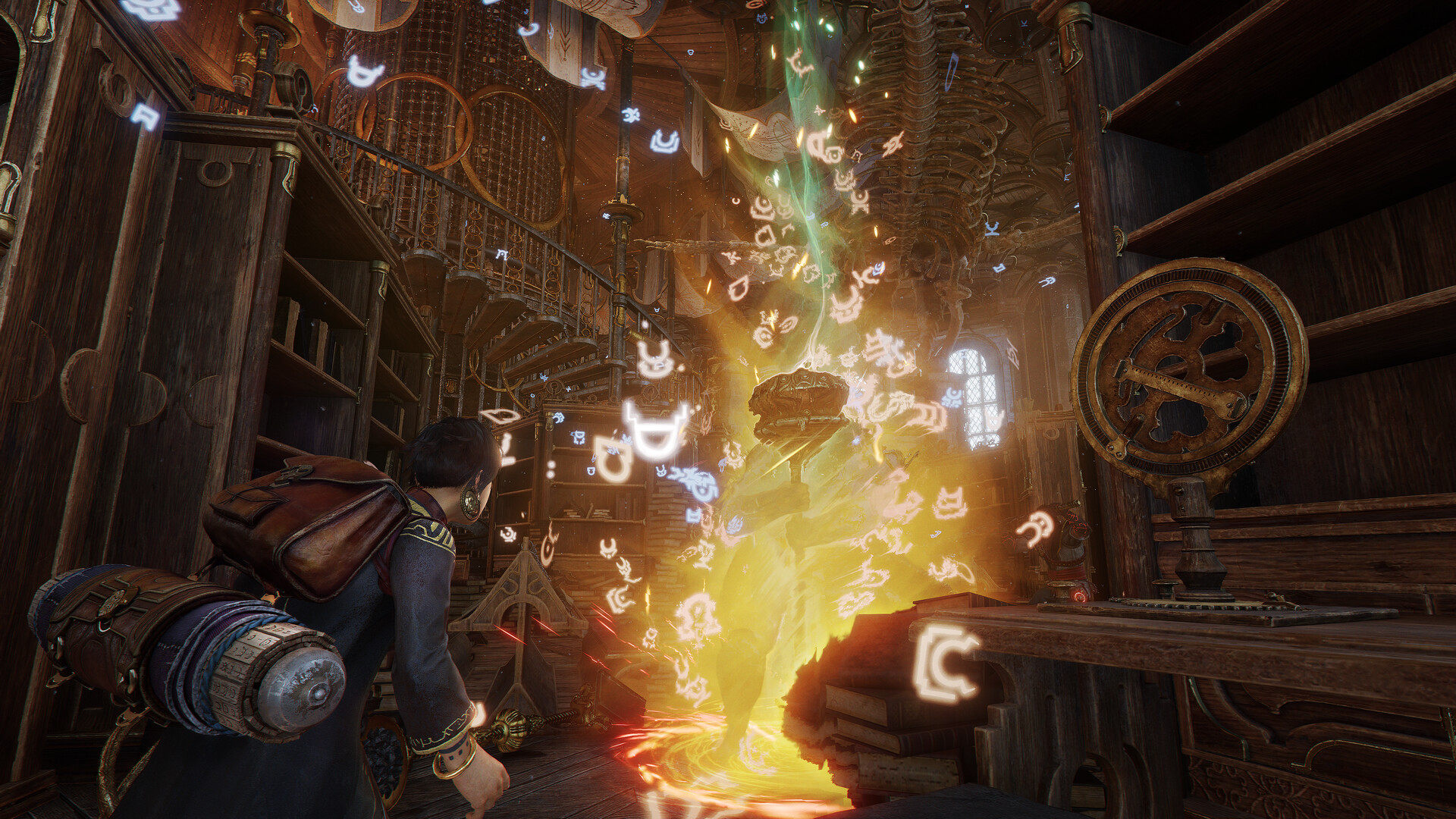
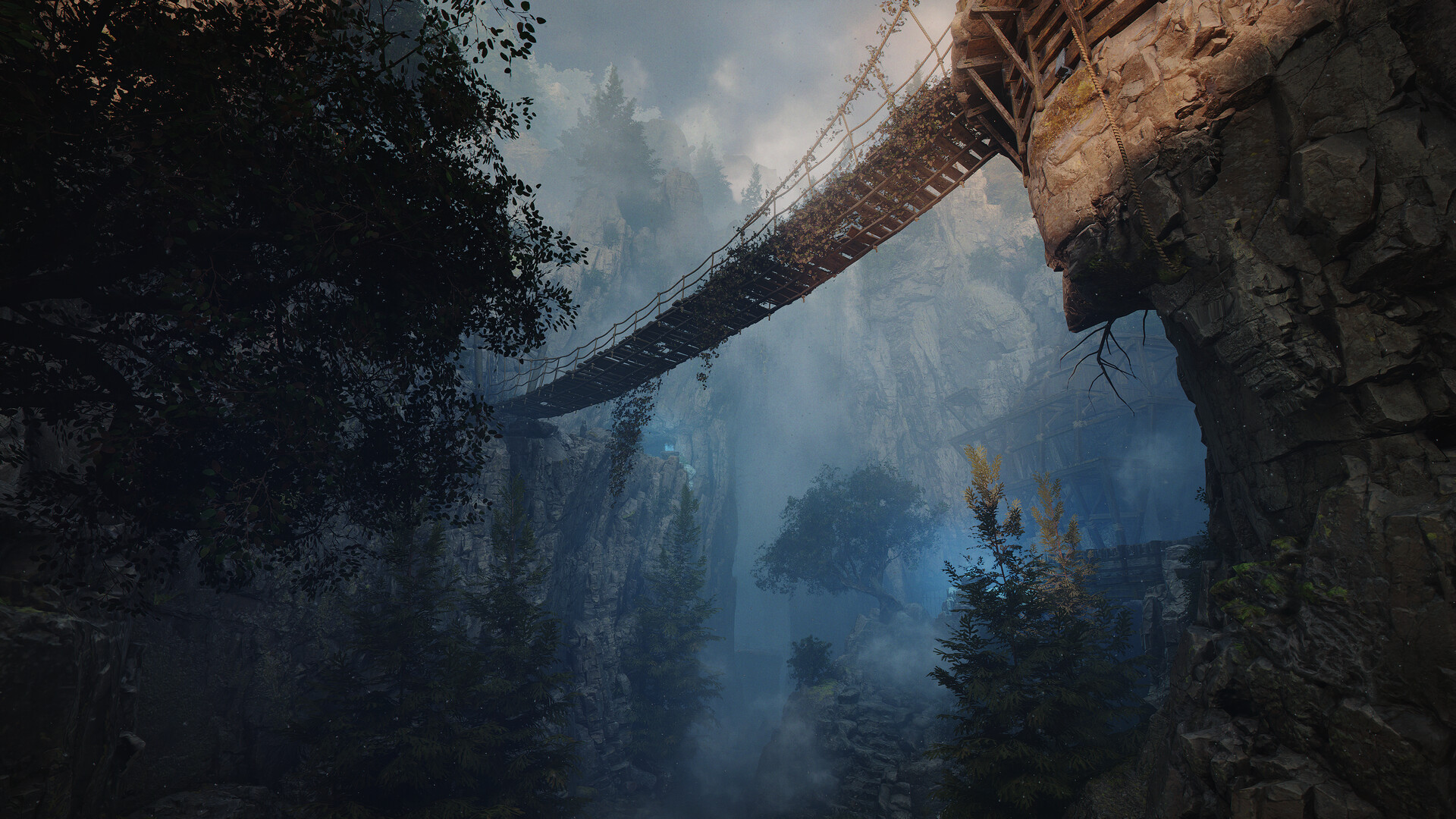
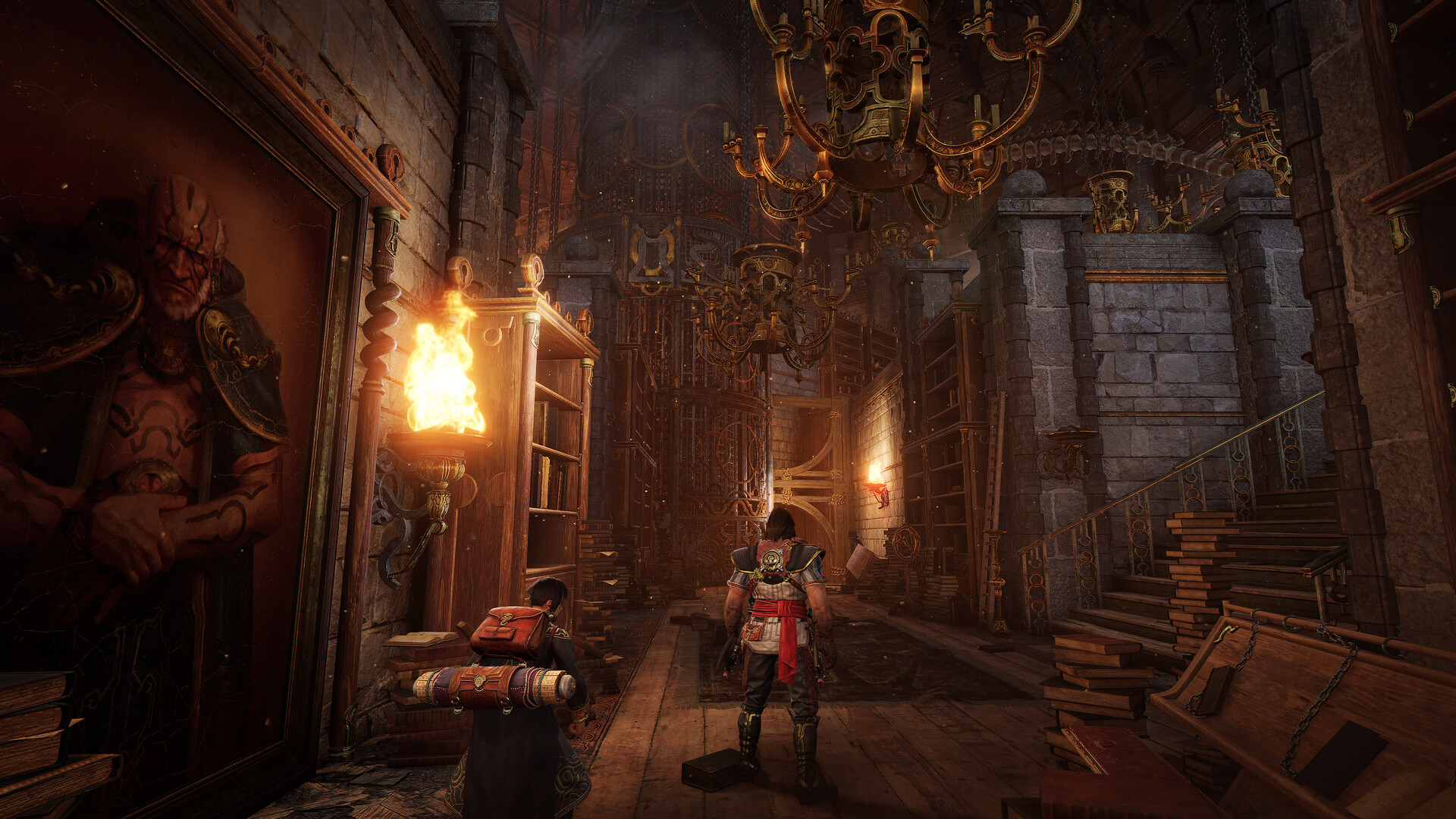
Visually the game has a lean, purposeful style: detailed models, moody lighting and environments that reward exploration with shortcuts and hidden crafting materials. Adso, the companion, is a neat touch — he records lore and waits to be questioned, which encourages curiosity rather than forced exposition. Audio is solid; Óscar Araujo’s score gives battles a cinematic weight without getting in the way. Technical polish improved noticeably in 2.0: DLSS4 support helps fidelity and Steam Deck support opens portable runs, but a few QoL gripes remain — no mouse cursor in menus and a clumsy quit flow still annoy. Frame generation defaults and some menu limitations are fixable, but they felt like developer oversights at release.
Blades of Fire is a niche gem: not flashy, but thoughtfully built for players who love weaponcraft and deliberate combat. I’d recommend it to anyone who enjoys mastering systems, tinkering with gear, and facing stiff, teachable difficulty; if you expect instant gratification or mindless action, look elsewhere. With Version 2.0 MercurySteam fixed and added a lot of value, though a few QoL fixes would turn this from highly recommendable to essential.
Pros
- Meaningful forging system that makes each weapon feel unique
- Deliberate, weighty combat that rewards patience and positioning
- Version 2.0 adds solid features: New Game Plus, DLSS4, Photo Mode
- Strong worldbuilding via exploration and Adso’s lore notes
Cons
- Some balance issues: interruptions and reach can feel unfair
- Minor QoL annoyances (no mouse cursor in menus, awkward quit flow)
- Tempering minigame can feel tedious for some players
Player Opinion
Players consistently praise the combat's weight and the satisfying payoff of forging a bespoke weapon, and many fans specifically call out the forge minigame as addictive. Several users point to excellent optimization on MercurySteam's engine and the value added by Version 2.0 — DLSS4 and Steam Deck support were frequently mentioned. Common complaints repeat around menu mouse support, odd framegen defaults, and occasional balance questions about interruptions and enemy reach. A vocal minority criticizes pacing or finds levels maze-like, but most recommend the demo and say it carries over progress. If you liked Chivalry’s emphasis on weapon feel or Soulslikes that reward patience, many reviews say you'll enjoy Blades of Fire.