




Call of the Elder Gods Review – A Lovecraftian Puzzle Adventure Worth the Call
A smart, atmospheric sequel to Call of the Sea that mixes Indiana Jones vibes with cosmic horror. Rich puzzles, strong voice work and gorgeous Unreal Engine 5 visuals — with a few narratorial and pacing grumbles.
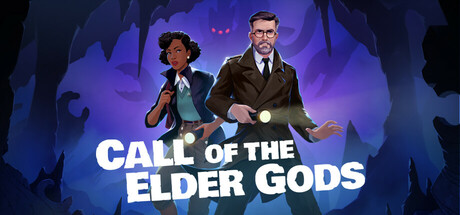
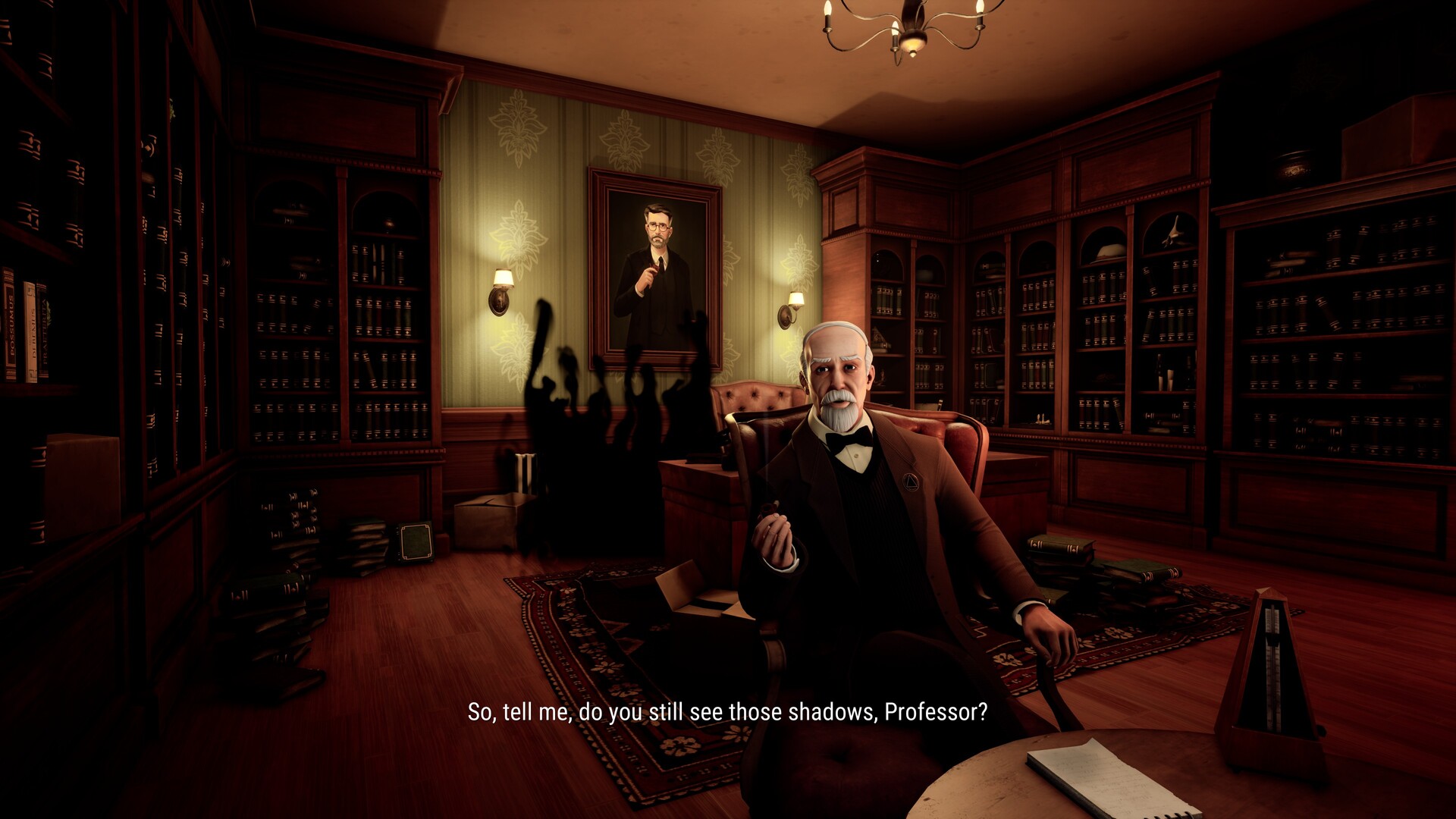
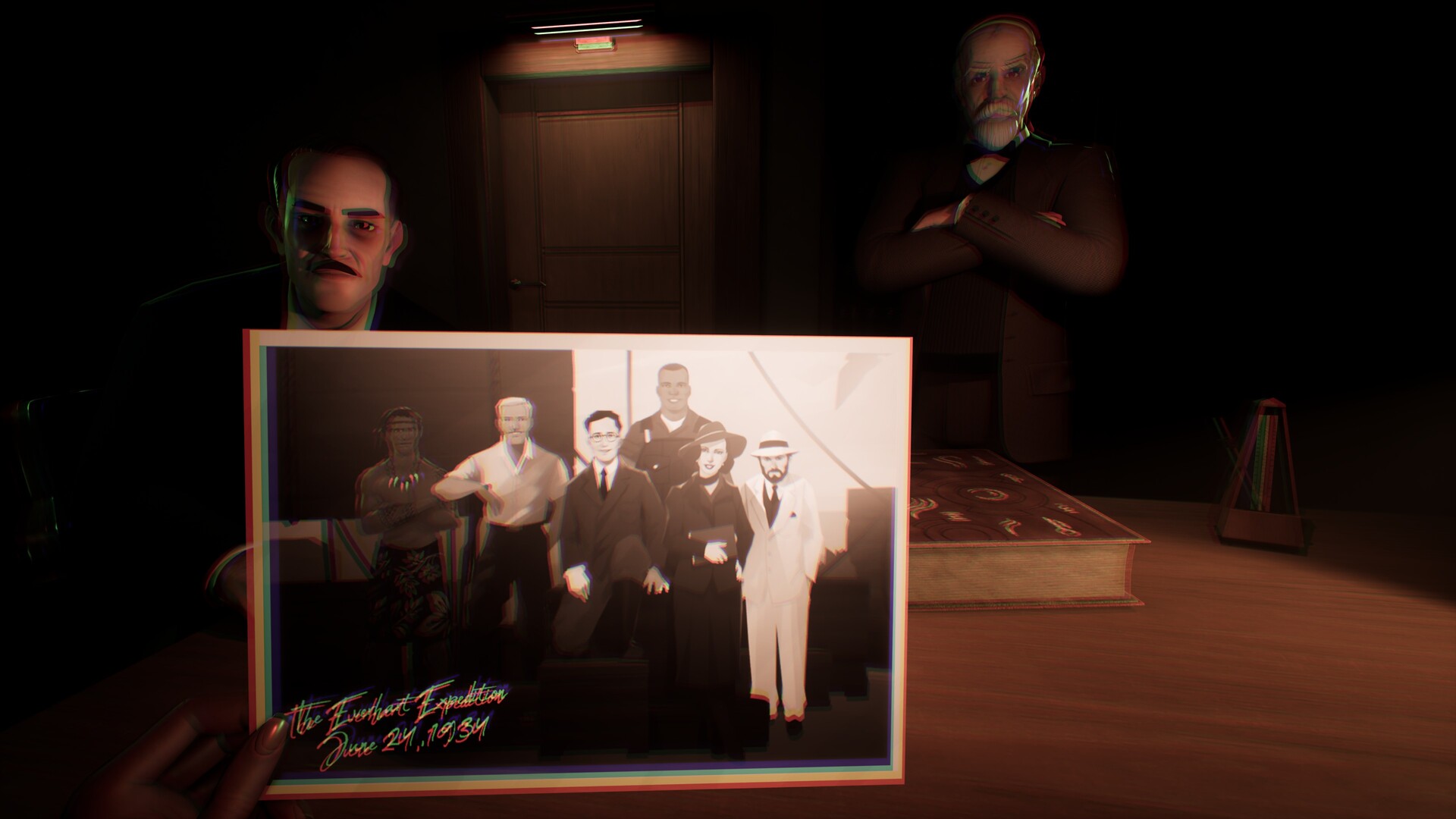
I dove into Call of the Elder Gods expecting more of what made Call of the Sea so charming — and Out of the Blue delivers with confidence. The game keeps the escape-room puzzle loop but expands it into a globe-trotting, slightly weirder adventure that actually leans into Lovecraftian themes. Switching between Professor Harry and Evangeline gives the investigation a neat push-and-pull, while the writing and voice cast make the world feel lived-in. If you like smart puzzles wrapped in atmosphere, this sequel is hard to resist.
Switching Minds Between Two Investigators
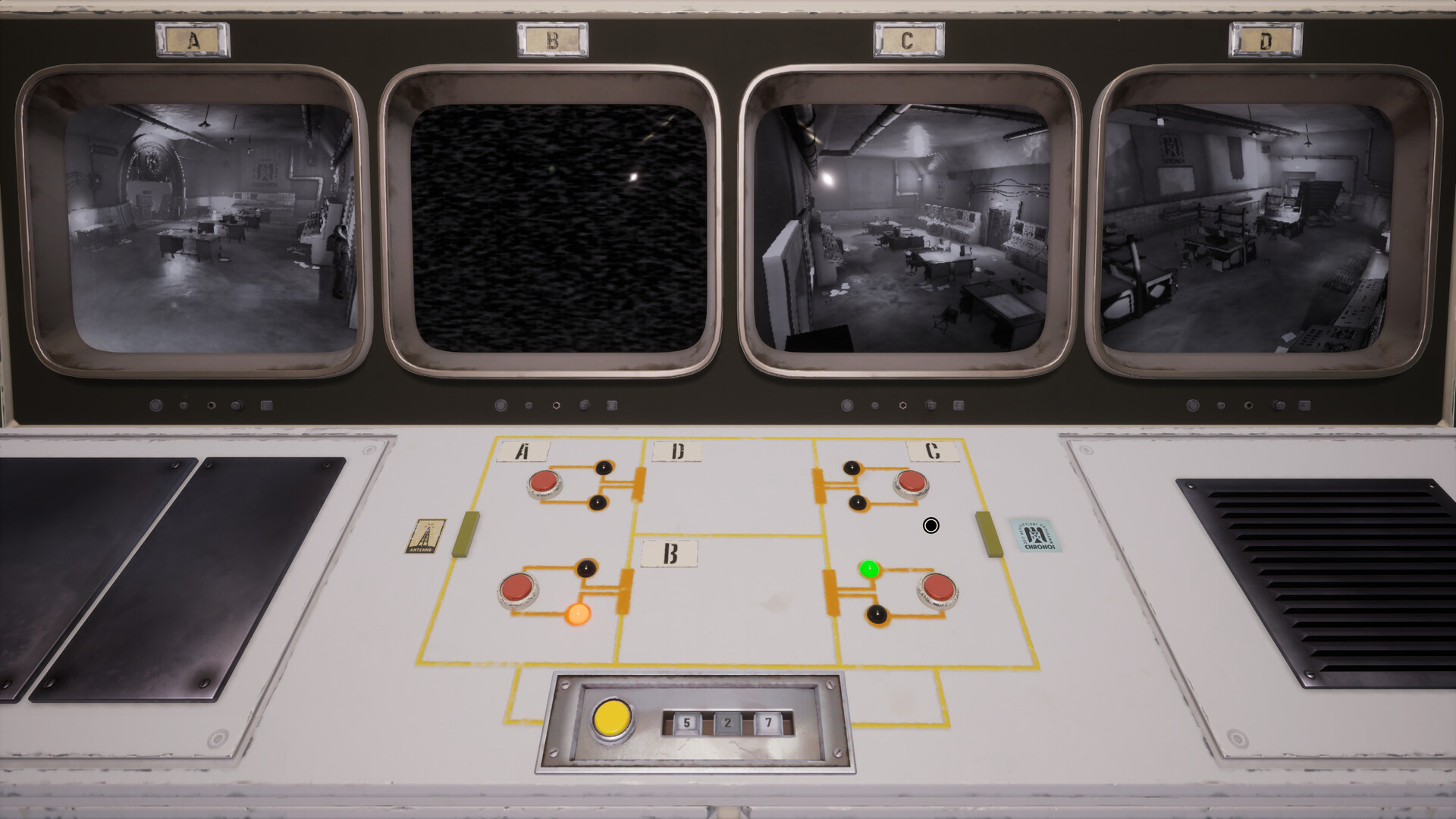
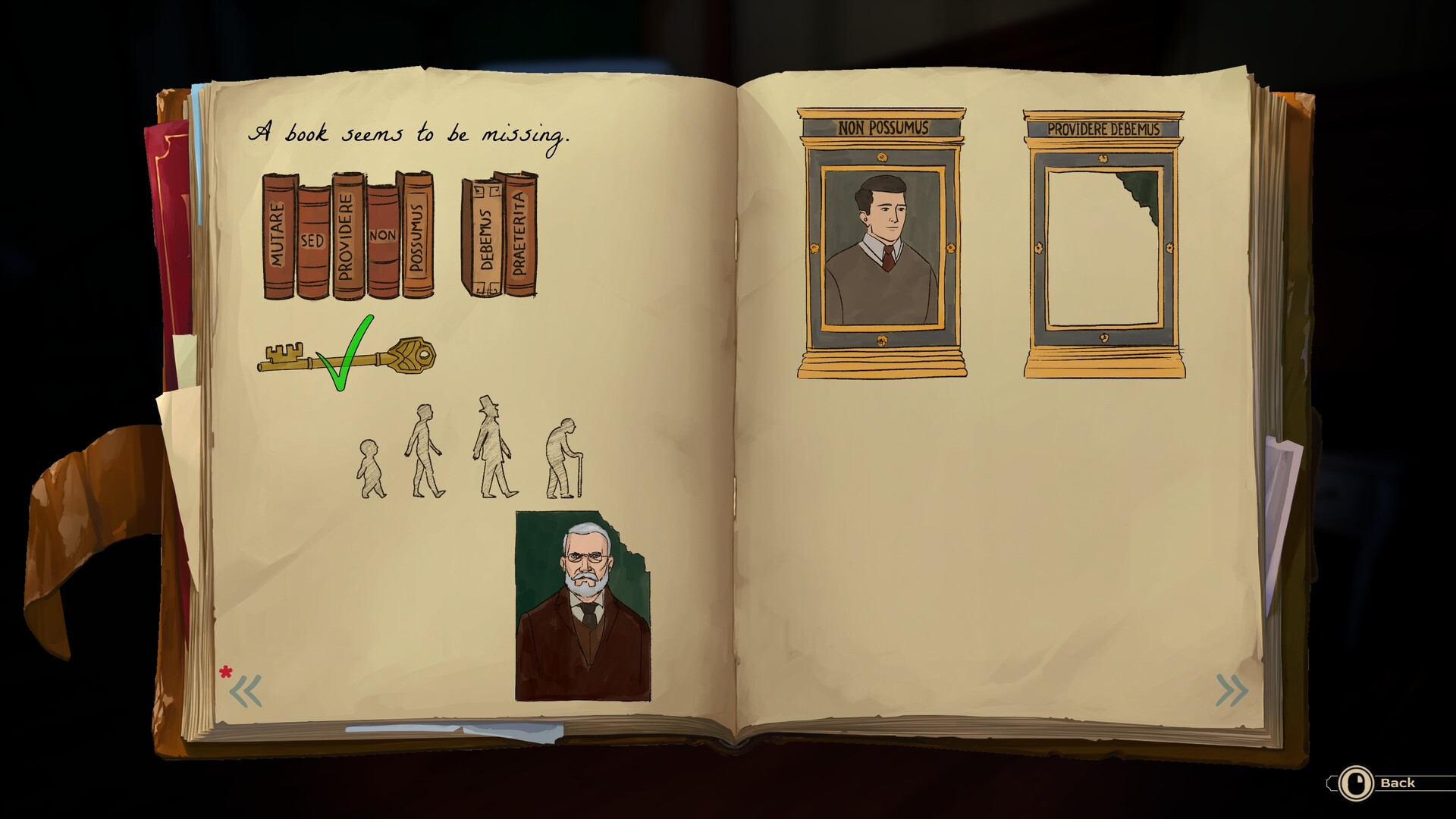
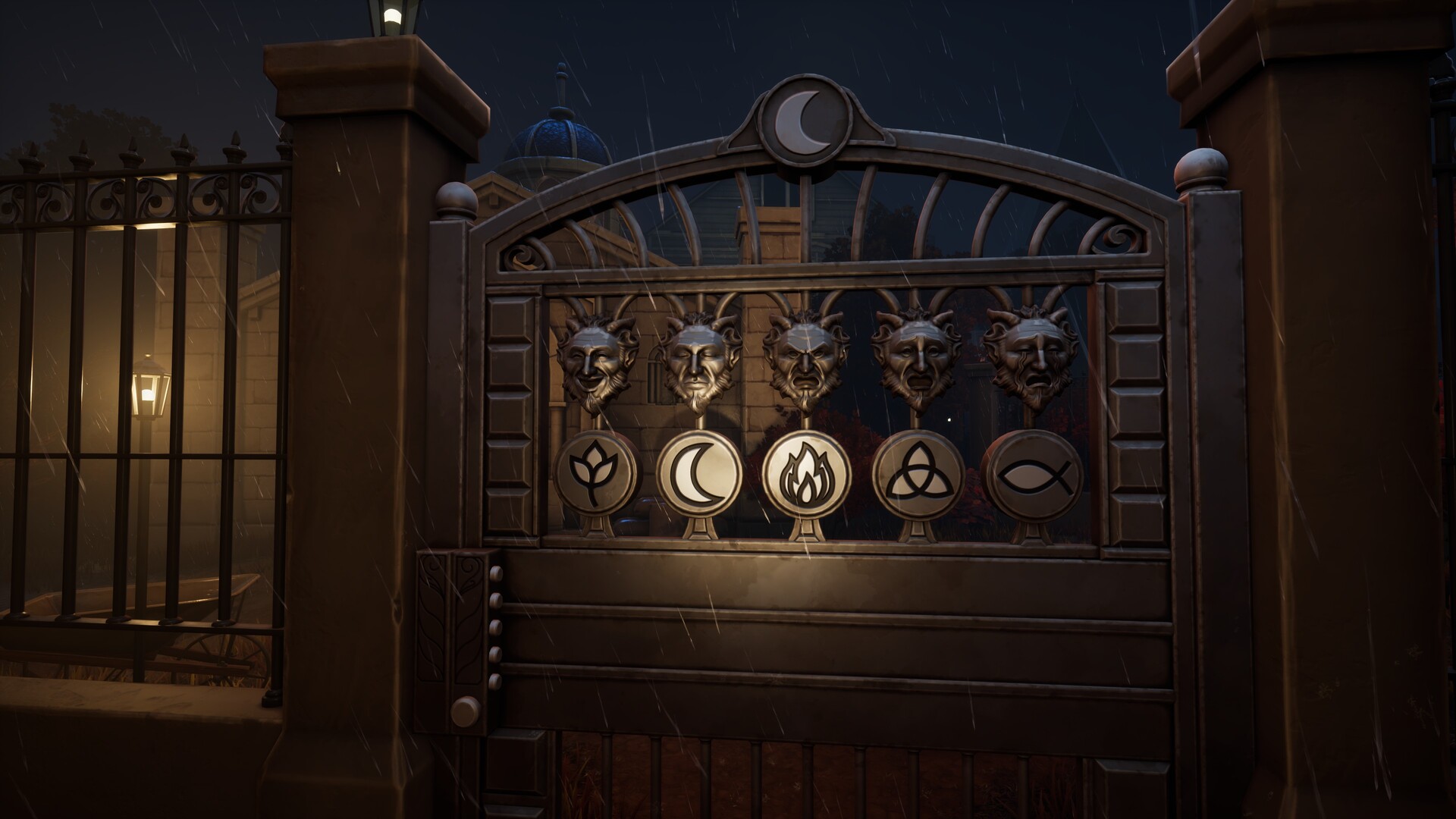
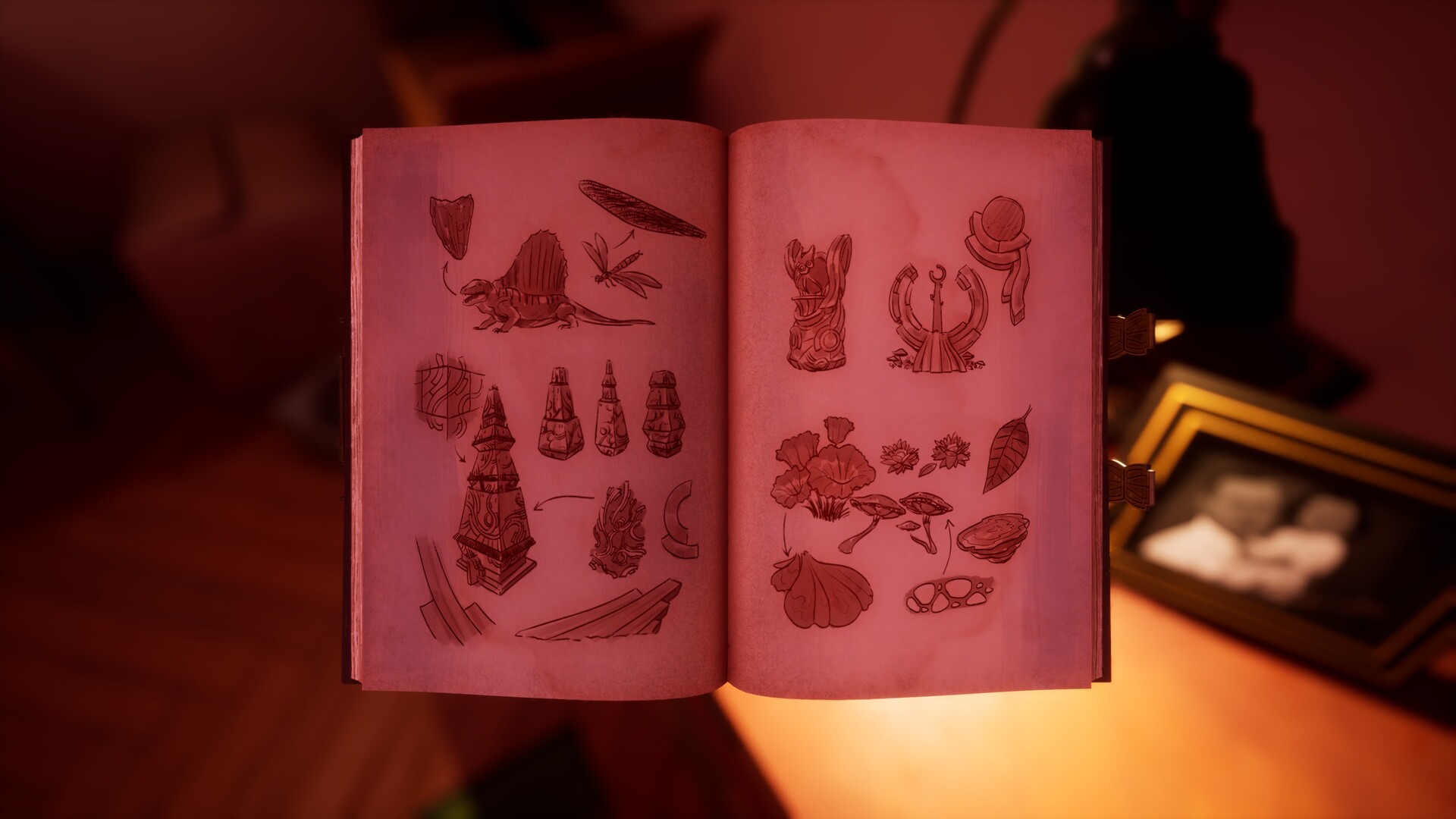
The heart of Call of the Elder Gods is the investigative back-and-forth between Professor Harry Everhart and Evangeline Drayton. You spend most of your time walking, inspecting, combining clues, and flipping between viewpoints to progress multi-part puzzles that span locations and, occasionally, time. It’s an observational puzzle loop — spot symbols, cross-reference journal entries, rotate curiosities, and click the right elements — but the two-character mechanic keeps it from ever feeling stale. The game nudges you with a generous notebook system and toggleable hints, so you can tailor the difficulty to whether you want a comforting puzzle stroll or a proper head-scratcher. Movement is deliberately measured to encourage exploration, though I’ll admit the slower pace can feel draggy during long dialogue stretches. That said, the way puzzles build on small discoveries — a half-hidden emblem here, a matching star chart there — gives satisfying payoffs.
Puzzles That Reward Curiosity
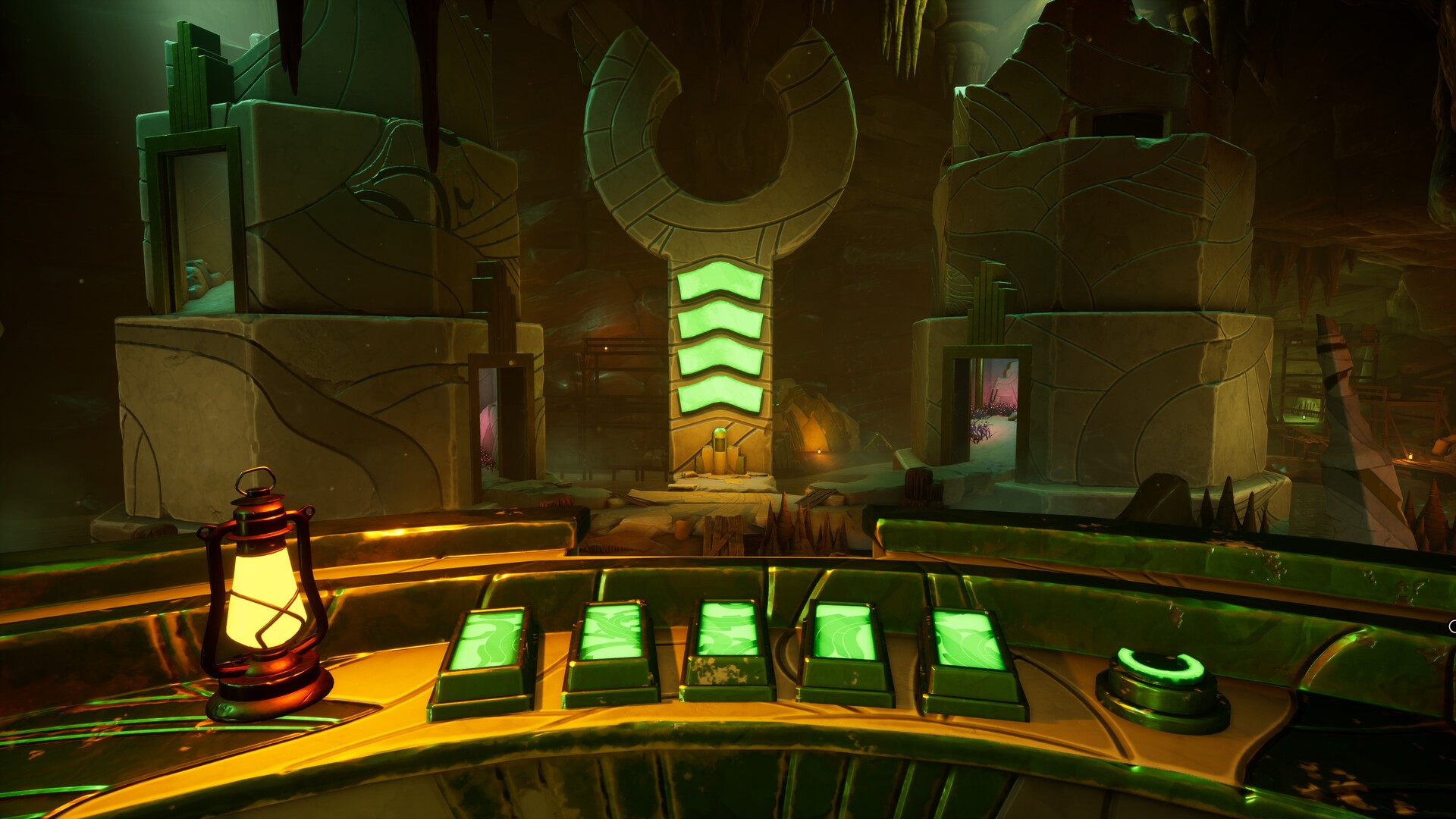
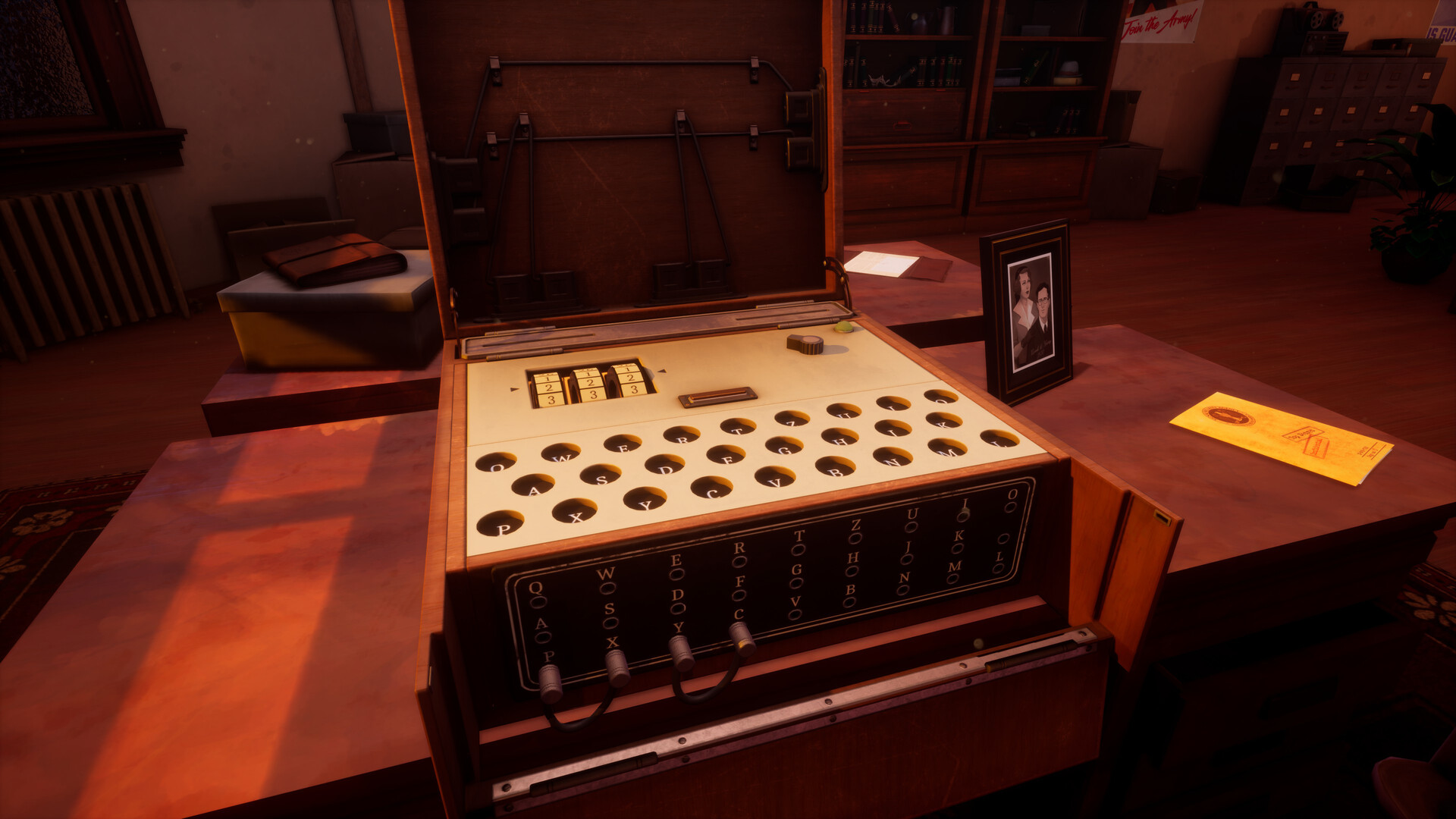
Puzzles here are the star: handcrafted, logical for the most part, and layered so each solution usually feels earned. There are moments where the game indulges in fiddly item hunts, and a couple of user reports about missing interaction prompts are real — I had one moment that forced me to reload a chapter because an object wouldn’t show a prompt. Still, the majority of puzzles lean toward clever lateral thinking rather than obtuse gatekeeping. The journal is your best friend: it auto-collects important details, and the toggleable icons and hint system prevent you from getting completely lost (handy if, like me, you hate aimless pixel-hunting). The pacing of puzzles varies — some give that delicious five-seconds-of-genius feeling, others are multi-step tests that might take a patient hour to untangle.
A Sound and Sight Feast
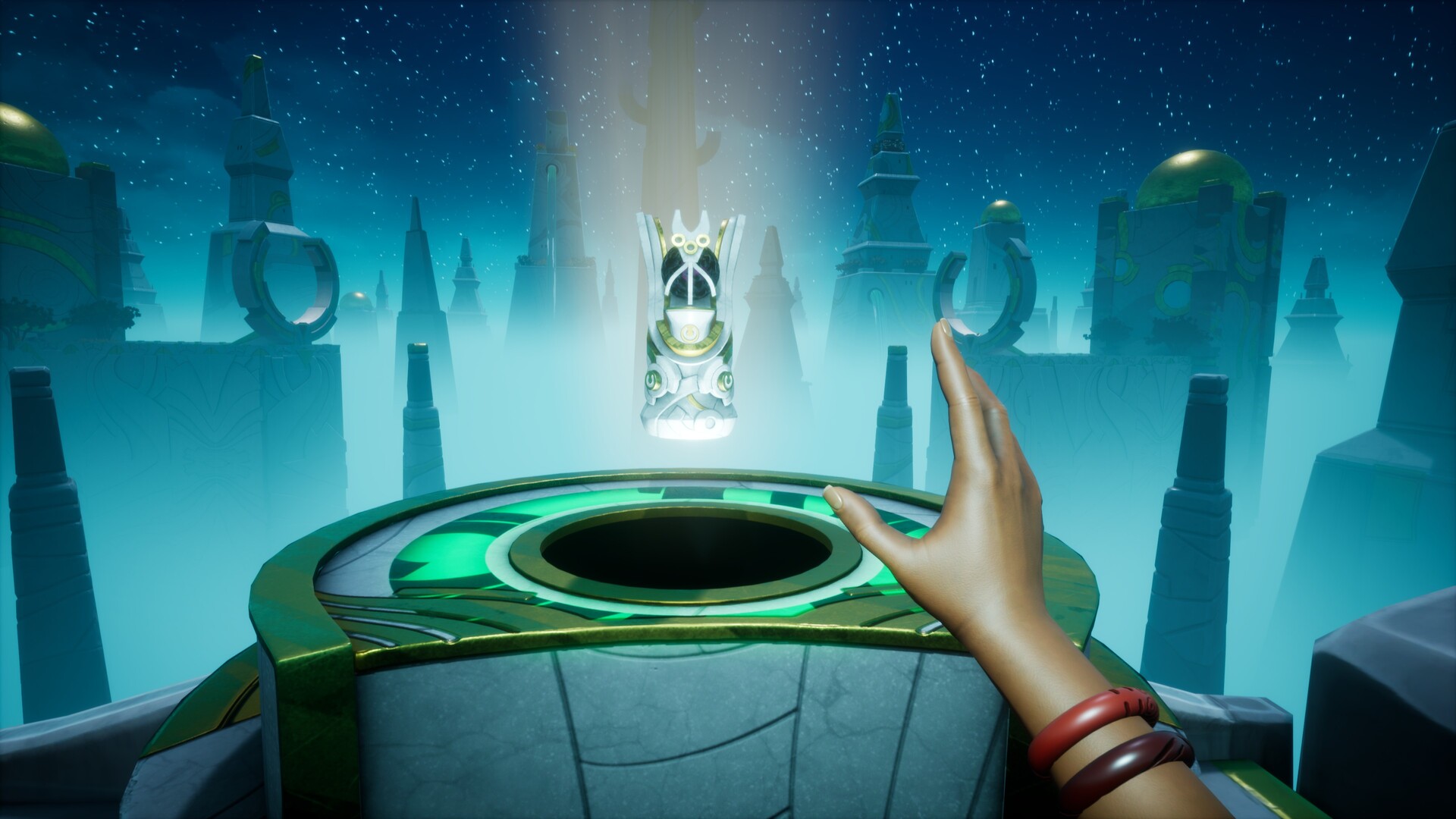
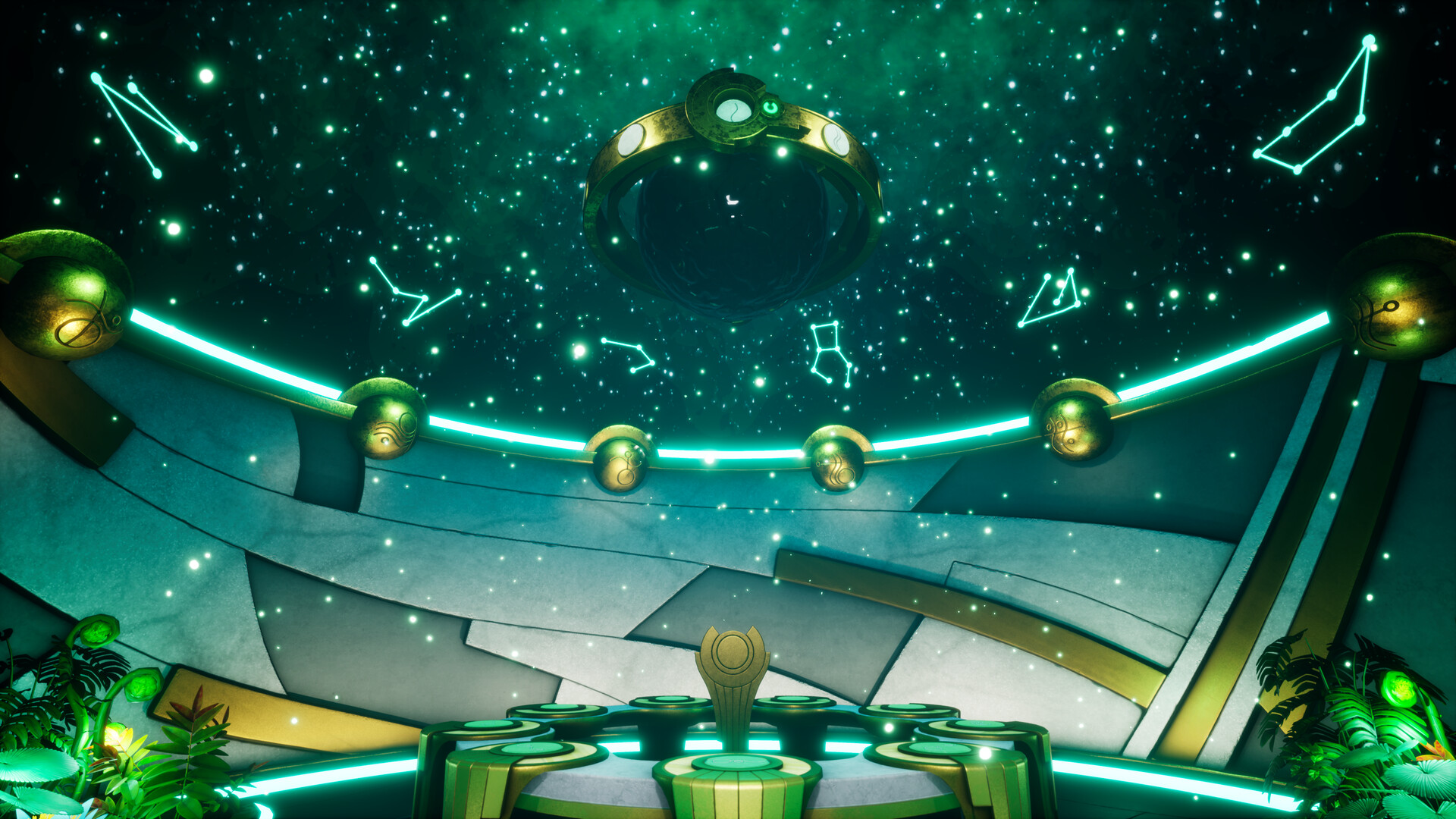
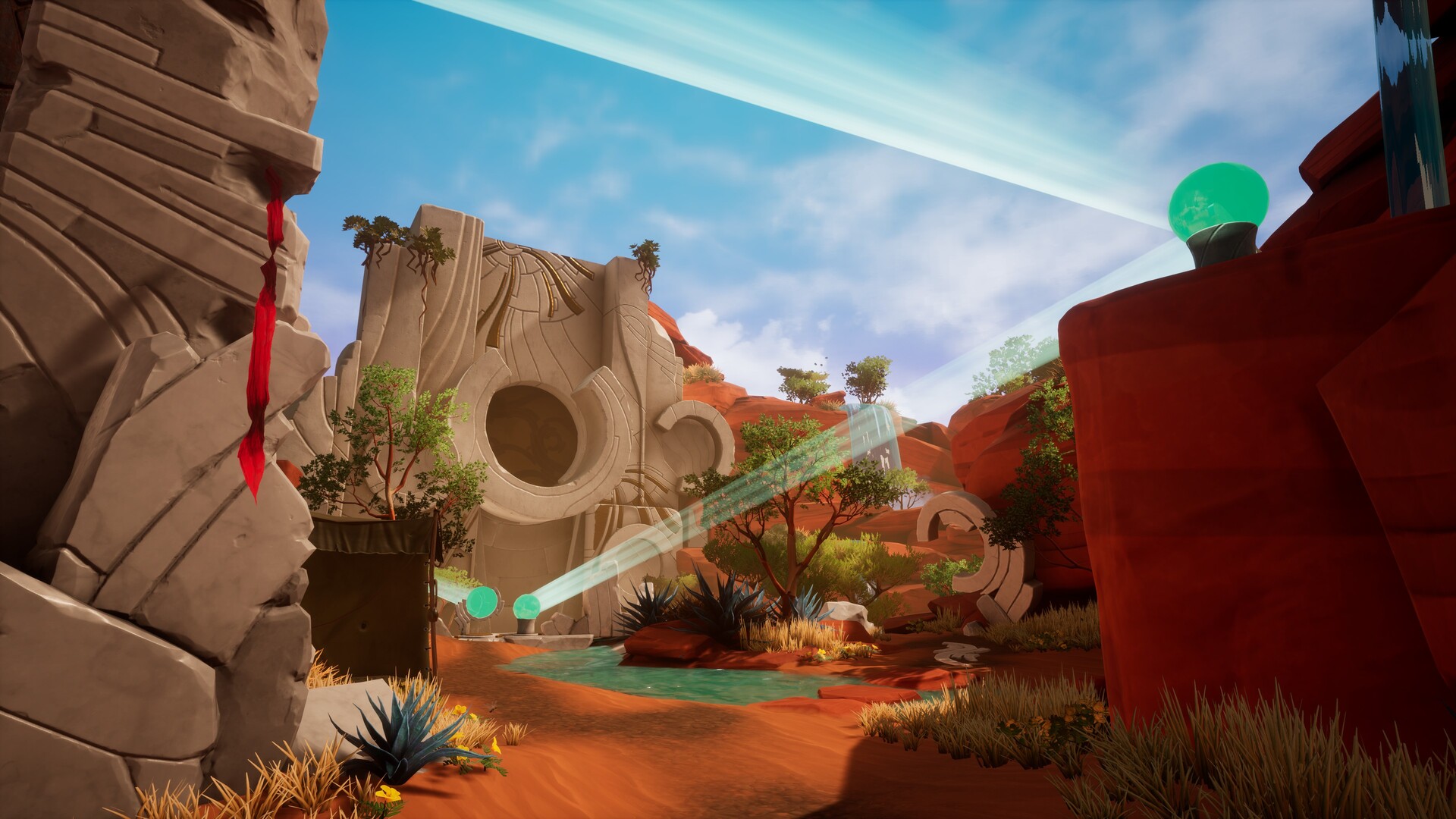
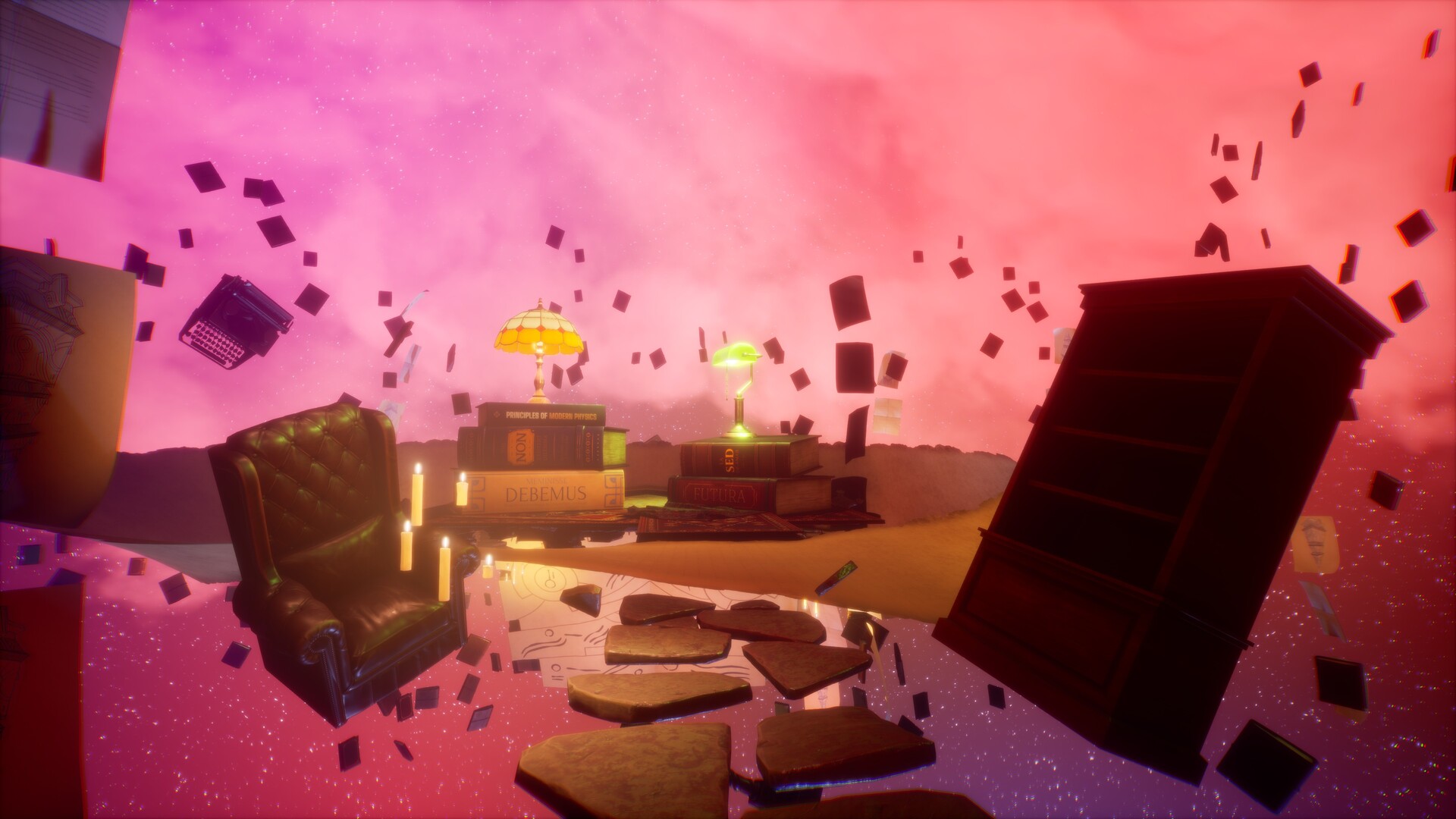
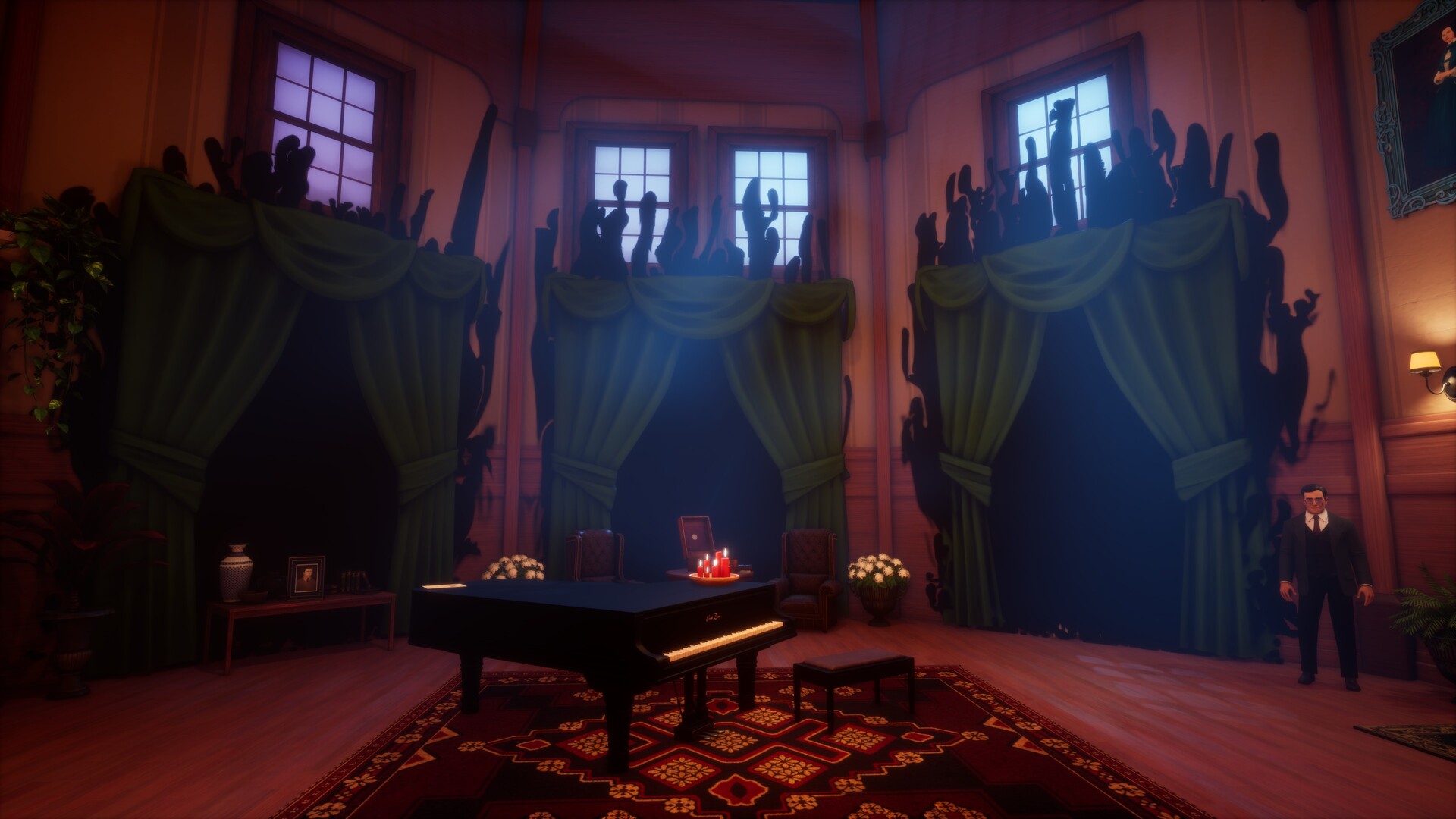
Visually, UE5 shines: colourful but uncanny environments take you from firelit New England libraries to red Australian sands and frozen wastelands that feel otherworldly. The art direction refuses hyper-realism and instead opts for a painterly style that complements the narrative. Eduardo De La Iglesia’s soundtrack underlines mystery and longing, and the performances — notably Cissy Jones and Yuri Lowenthal — bring real personality to the leads and narrator. Performance is mostly solid on Windows, and the community praise for Steam Deck support seems deserved; I tested on desktop and found no glaring framerate issues. Accessibility is sensible: hint toggles, icons, and journal entries make the game more approachable for players who prefer story and atmosphere over brutal puzzle gauntlets.
Call of the Elder Gods is a lovingly crafted puzzle-adventure that refines what made the first game special while leaning more boldly into Lovecraftian mystery. It’s ideal for players who enjoy thoughtful puzzles, slow-burn stories, and strong presentation — less so if you demand non-stop action or hate being nudged by narration. Overall: recommend to fans of narrative puzzle games.
Pros
- Beautiful, distinct art direction and UE5 environments
- Smart, well-layered puzzles with a helpful journal and hints
- Strong voice acting and evocative soundtrack
- Good performance and solid Steam Deck support reported
Cons
- Narration can feel spoon-feeding and occasionally grating
- Slow movement and a few pacing dips during long dialogue sections
- Rare interaction bugs reported (missing prompts)
Player Opinion
Players overwhelmingly praise Call of the Elder Gods as a worthy sequel to Call of the Sea: many highlight the game's puzzles, voice acting (notably Cissy Jones and Yuri Lowenthal), and art direction. Multiple reviews mention a satisfying playtime of around 5–7 hours with the demo carrying over into the full game for some. Fans love the escape-room vibe, the journal system, and the Steam Deck performance. Recurring criticisms include an omniscient narrator that sometimes spoils subtlety, a few pacing slowdowns during exposition, and the occasional interaction prompt bug. If you enjoyed narrative puzzle adventures like Call of the Sea or want an Indiana Jones-meets-Lovecraft mood, this is likely for you.