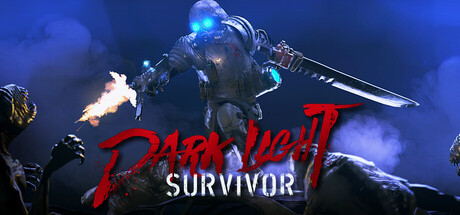




Dark Light: Survivor Review – Roguelike Shooter with a Two-Headed Camera
A rough-around-the-edges but compelling roguelike: Dark Light: Survivor mixes Vampire-Survivors-style swarm combat with third-person melee and a unique camera swap. Fun foundations, patchy performance and divisive art choices make it a cautious buy for now.
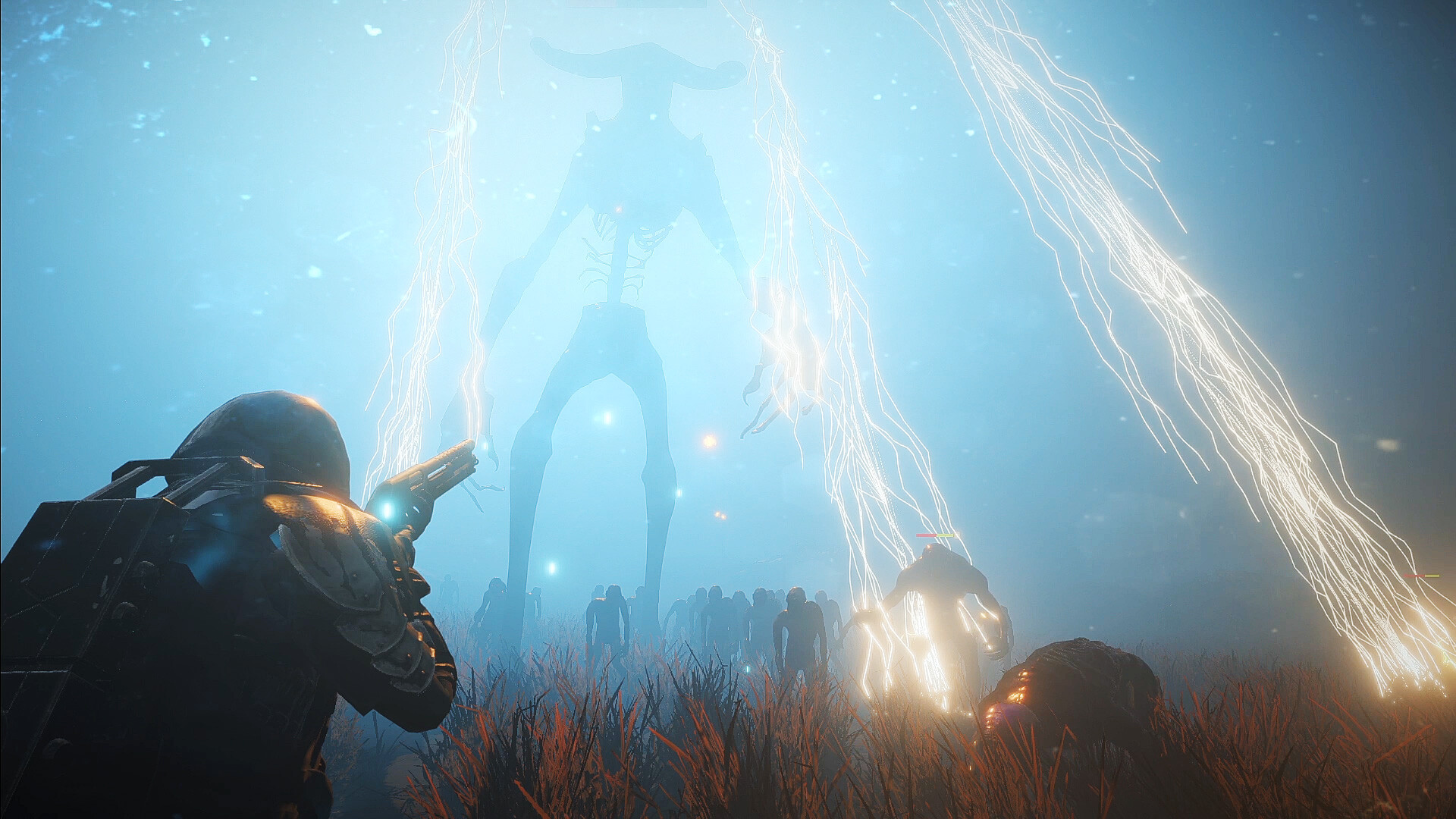
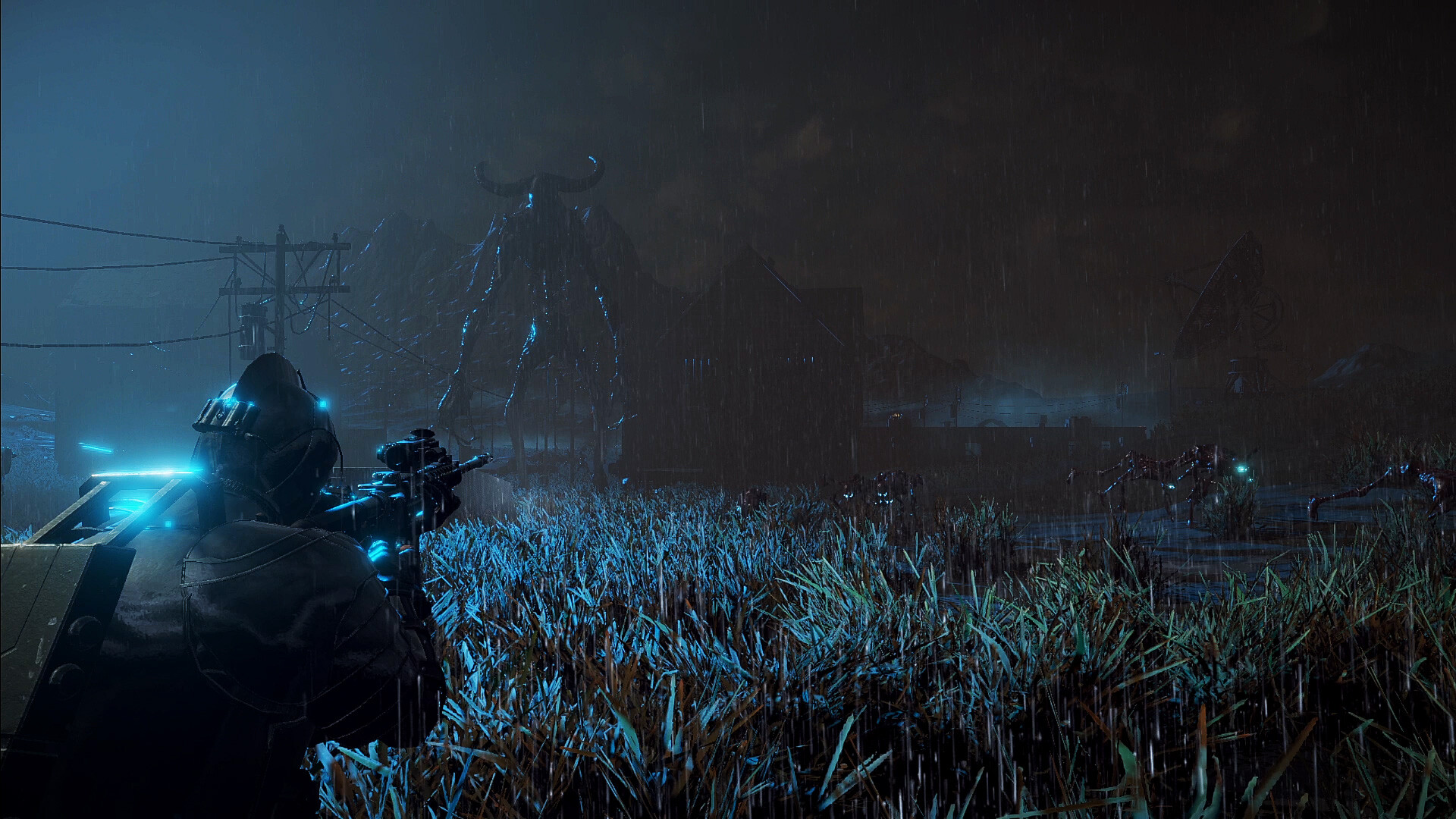
I jumped onto the Phantom Train hoping for a tight roguelike and mostly found what I wanted: frantic runs, meaningful upgrades, and the thrill of fighting eldritch horrors. Dark Light: Survivor stands out because you can swap between top-down and third-person views on the fly, which changes how encounters feel in a surprisingly tactical way. It’s clearly inspired by the 'survivors' subgenre but tries to bring its own dark-fantasy shooter twist. If you like your run-and-gun with a side of grim atmosphere and a dash of jank, this one’s worth a look.
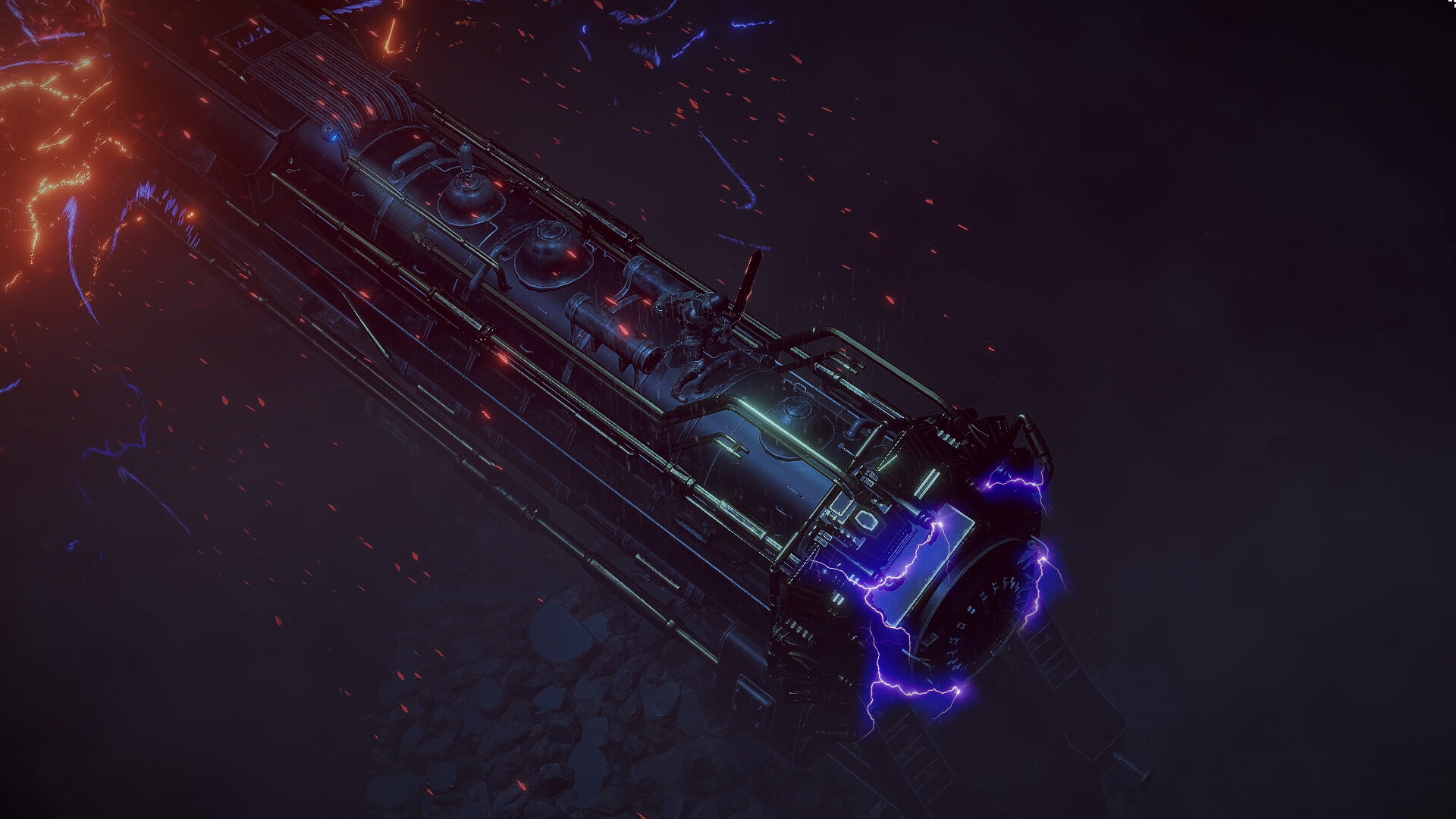
Riding the Phantom Train into Chaos
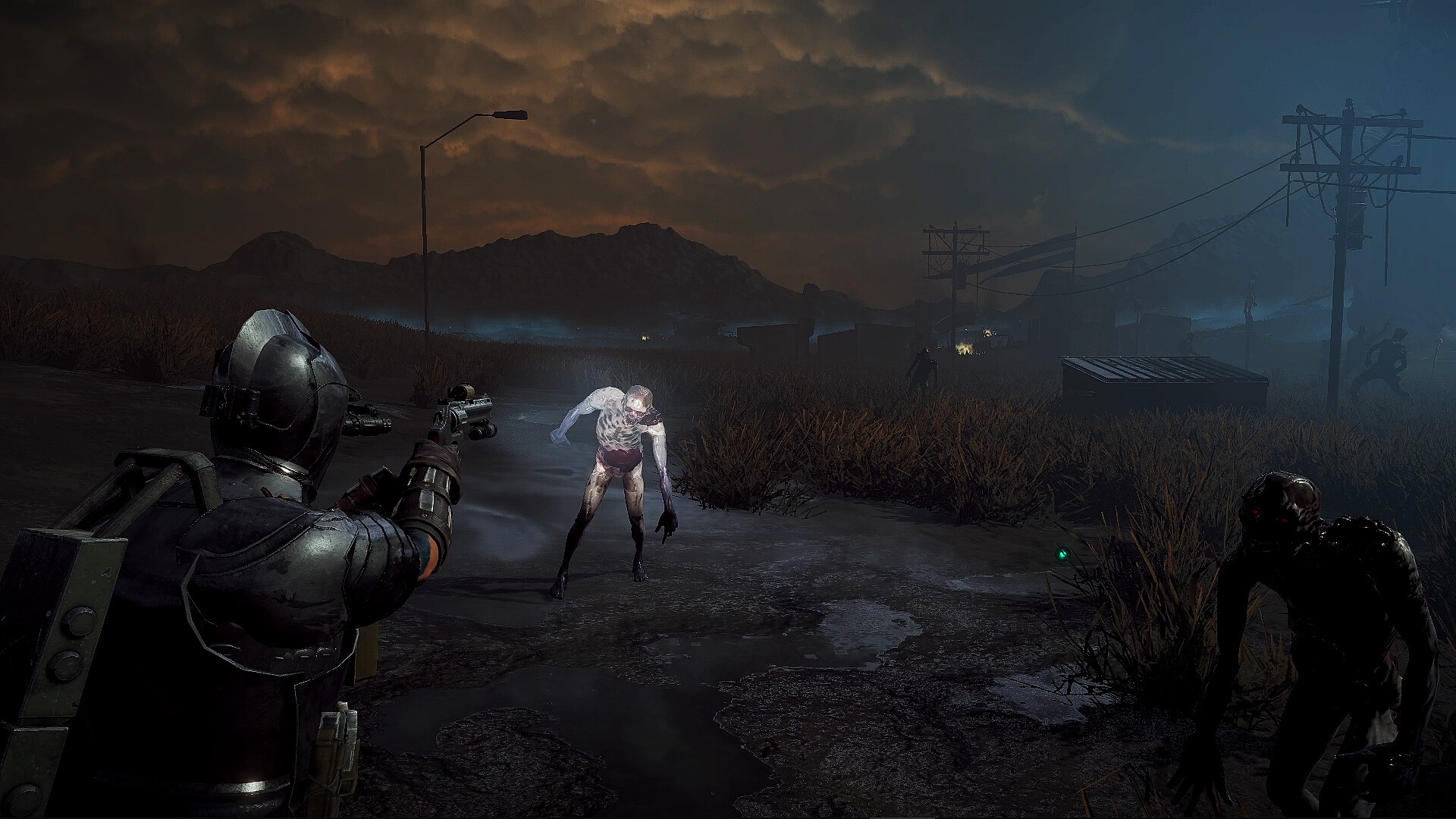
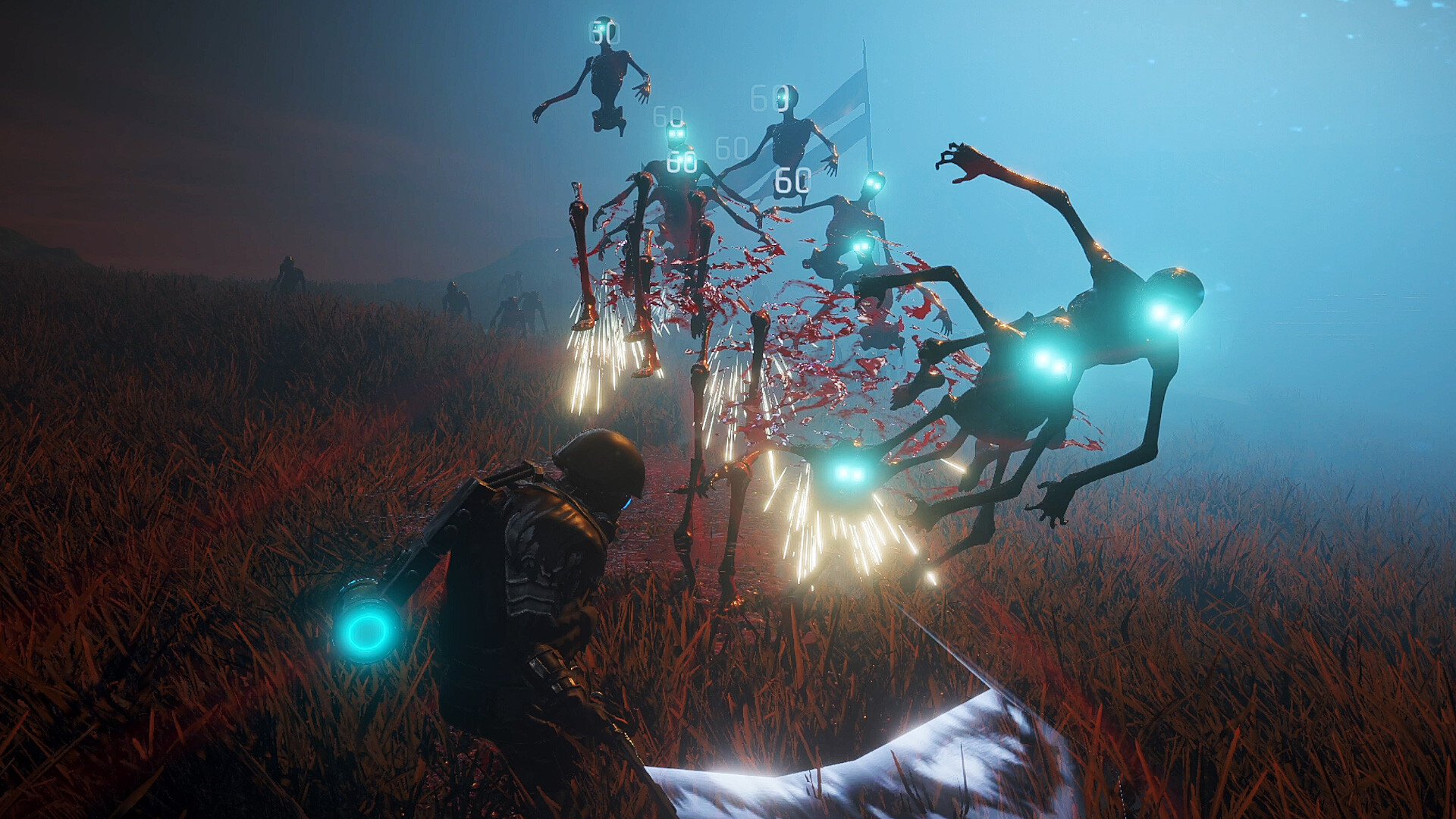
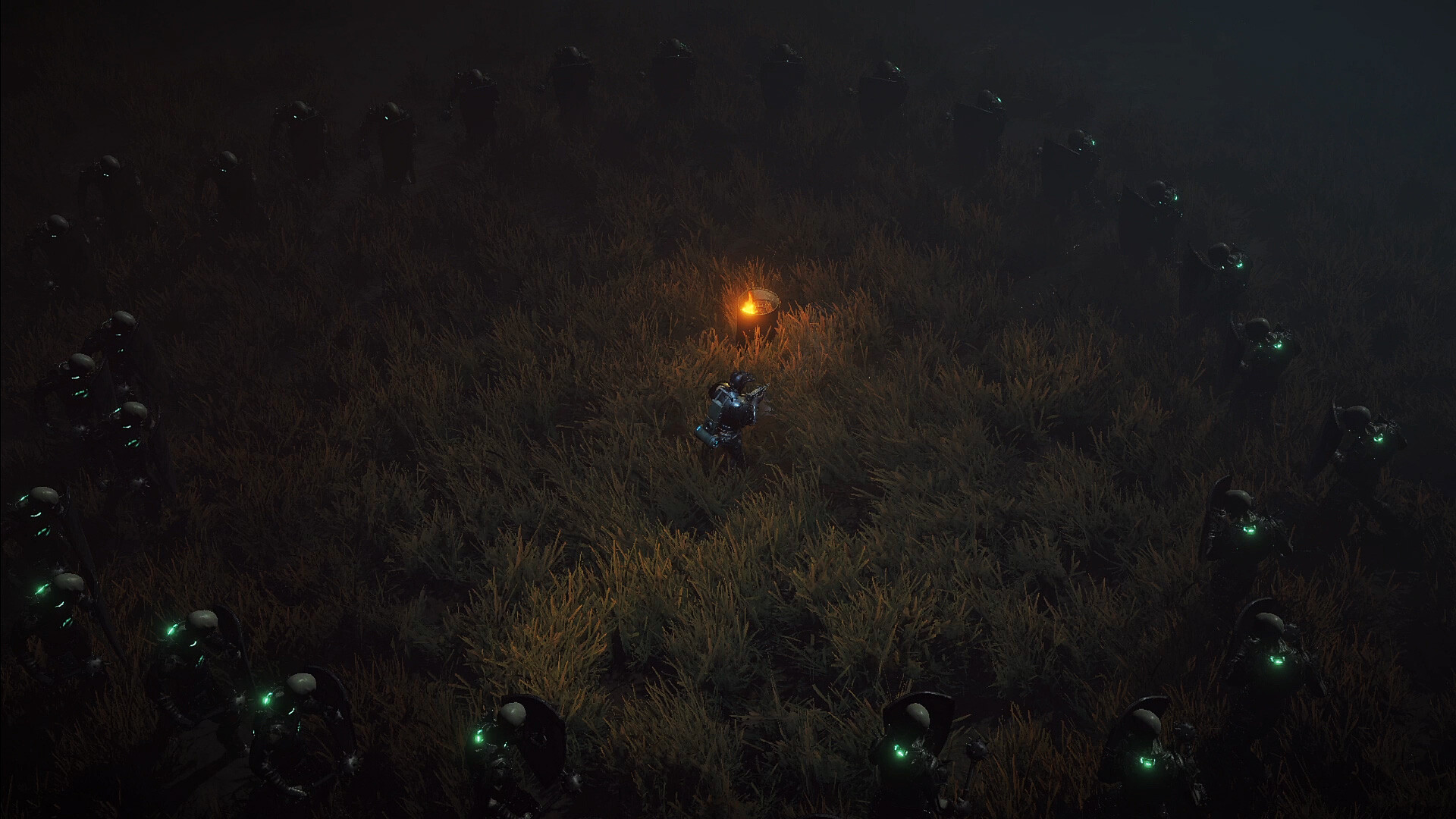
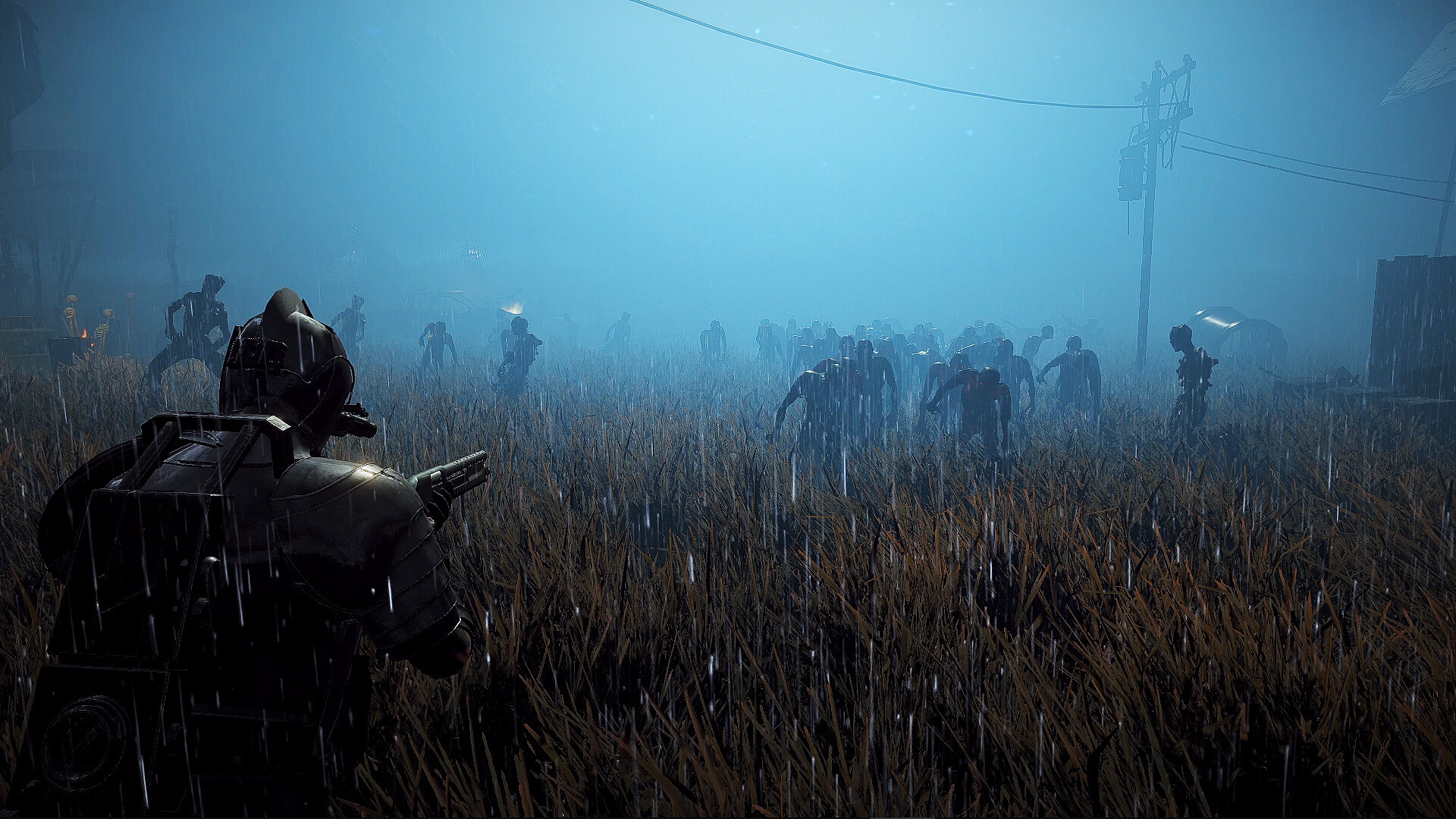
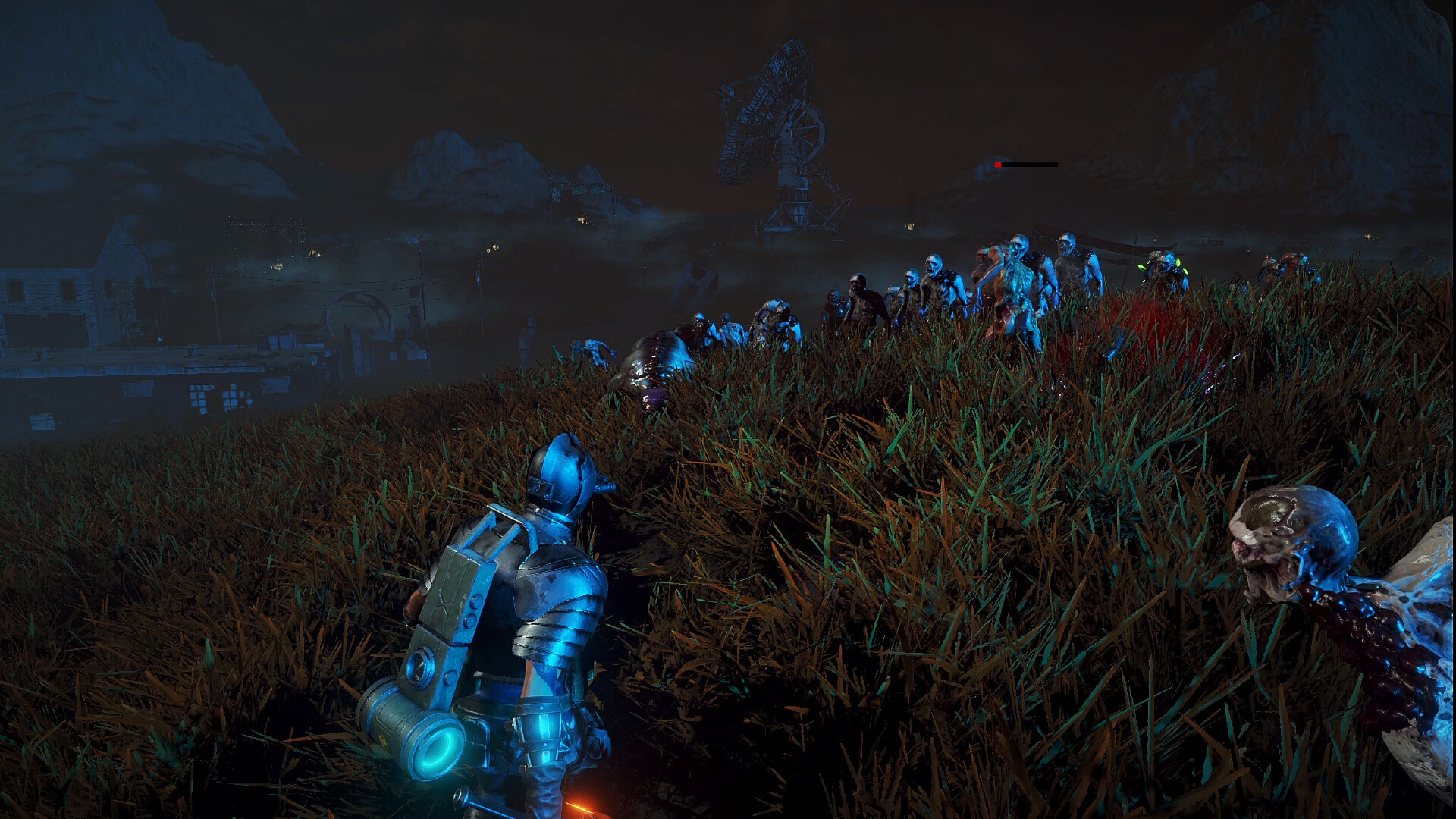
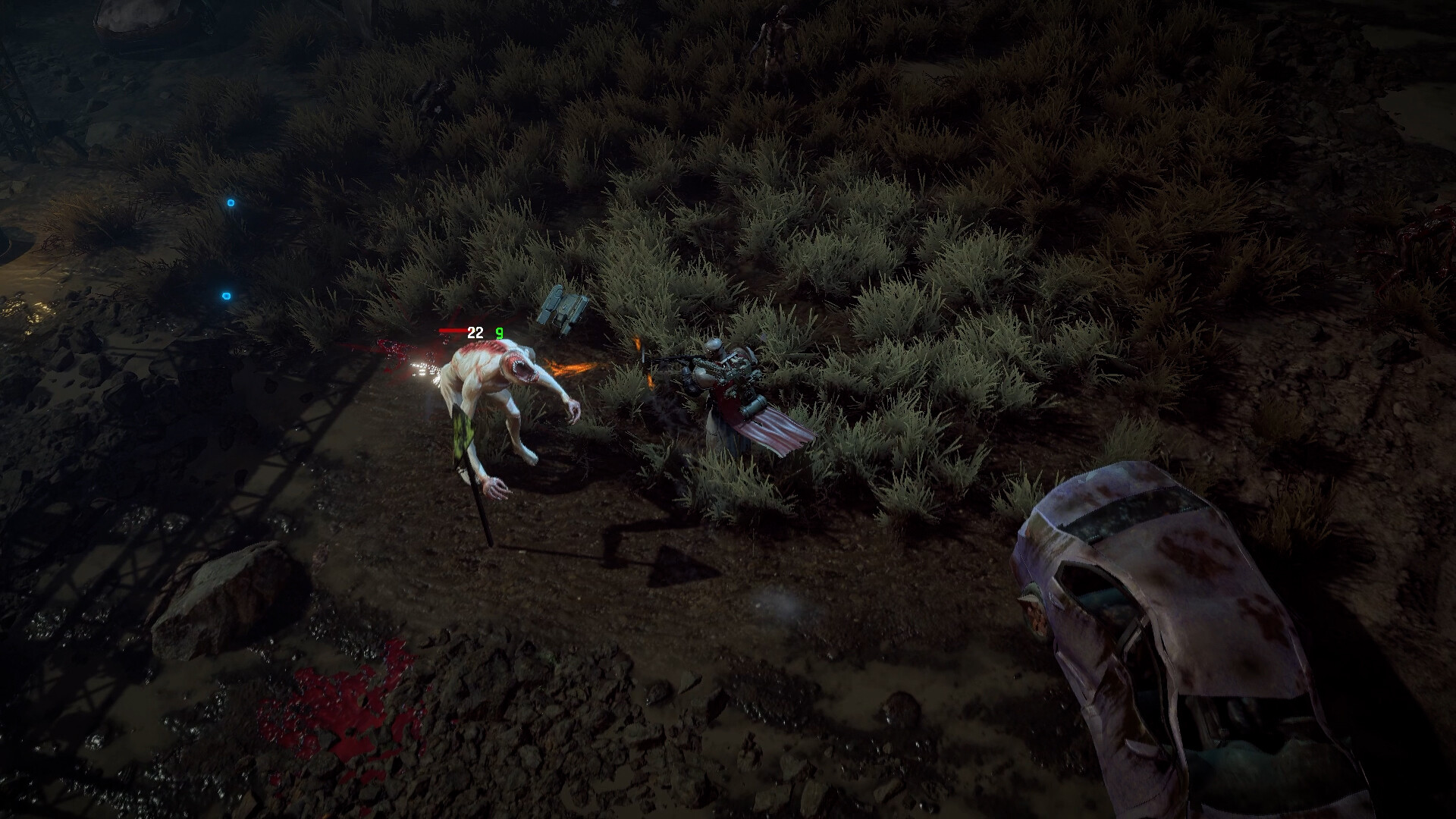
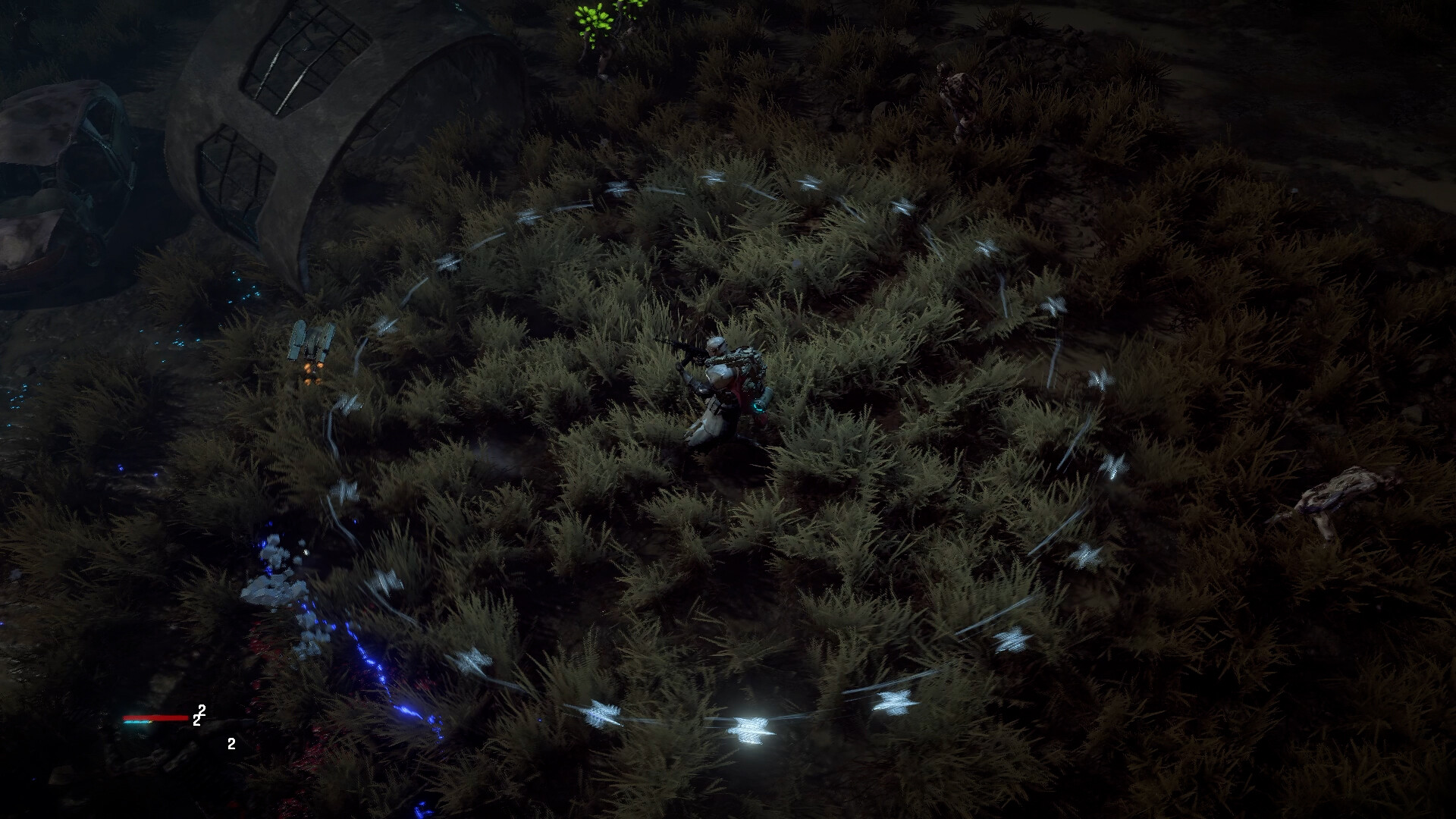
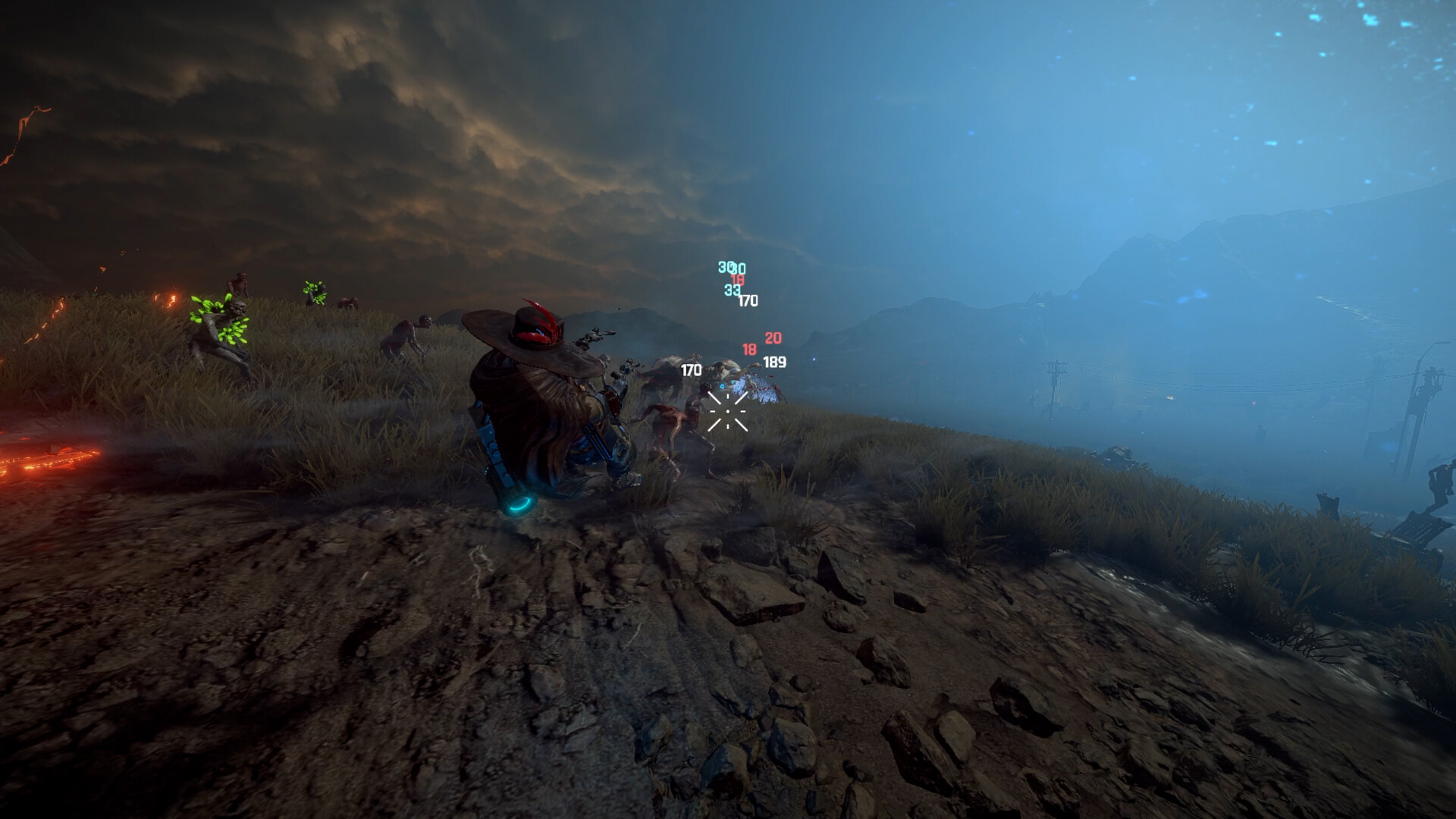
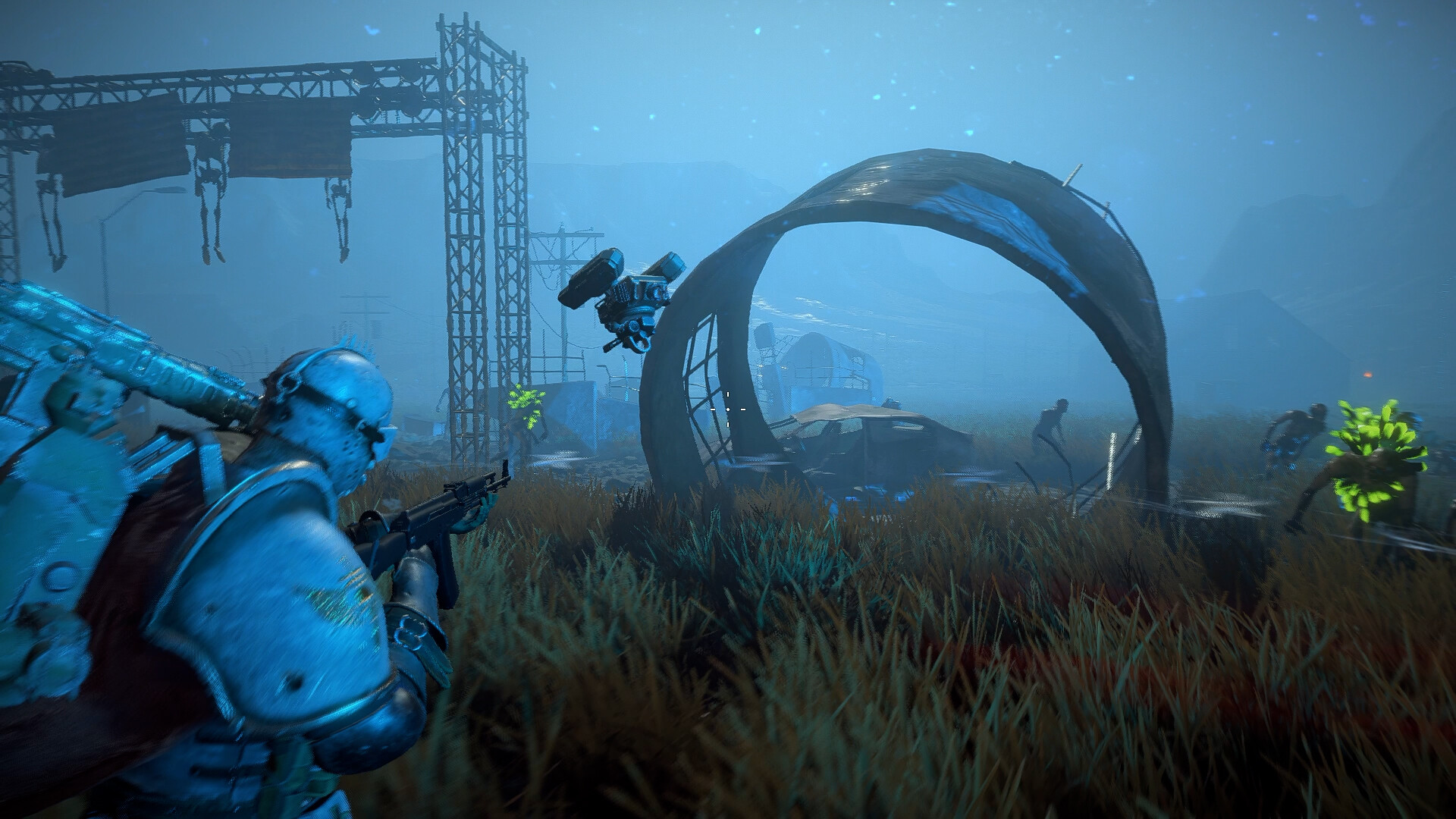
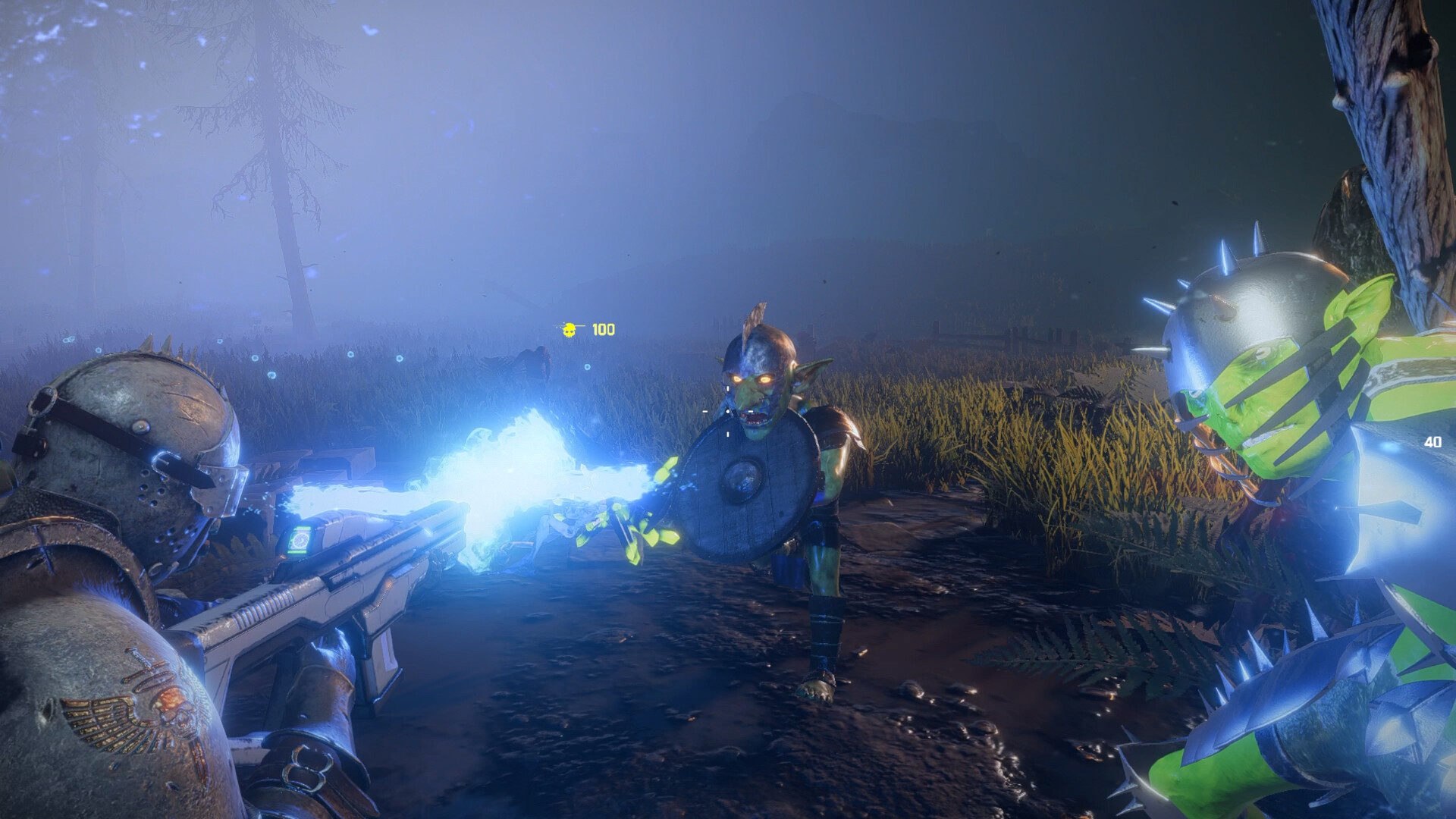
Gameplay centers on surviving each universe long enough to gather the energy your Phantom Train needs to jump again. Runs play like a blend of Vampire Survivors-style bullet-hell progression and a shooter with melee options: you sprint across biomes, clear hordes, find weapons, and inch toward bigger objectives like bosses and energy nodes. Combat feels punchy when it lands—guns have satisfying recoil and melee hits connect with a weighty thud—but you’ll also spam area effects and passive upgrades that turn corridors into fields of chaos. The ability to switch from top-down to third-person on the fly isn’t a gimmick: I found myself using top-down for map control and third-person for tight fights, headshots, and spectacle moments. Permanent progression exists between runs: artifacts, unlockable classes, and meta upgrades let you shape a long-term strategy rather than relying on pure RNG.
When Perspective Becomes a Weapon
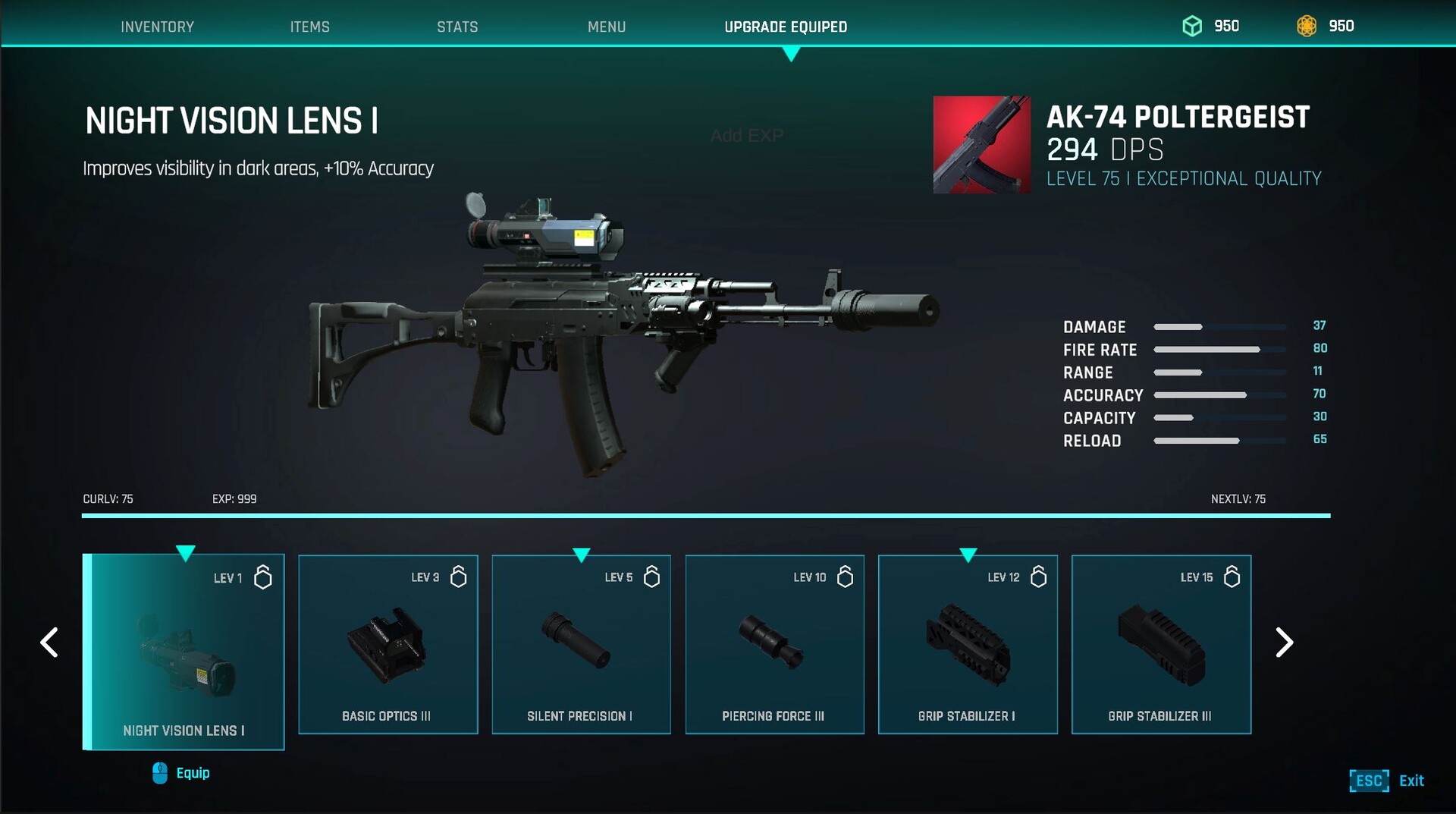
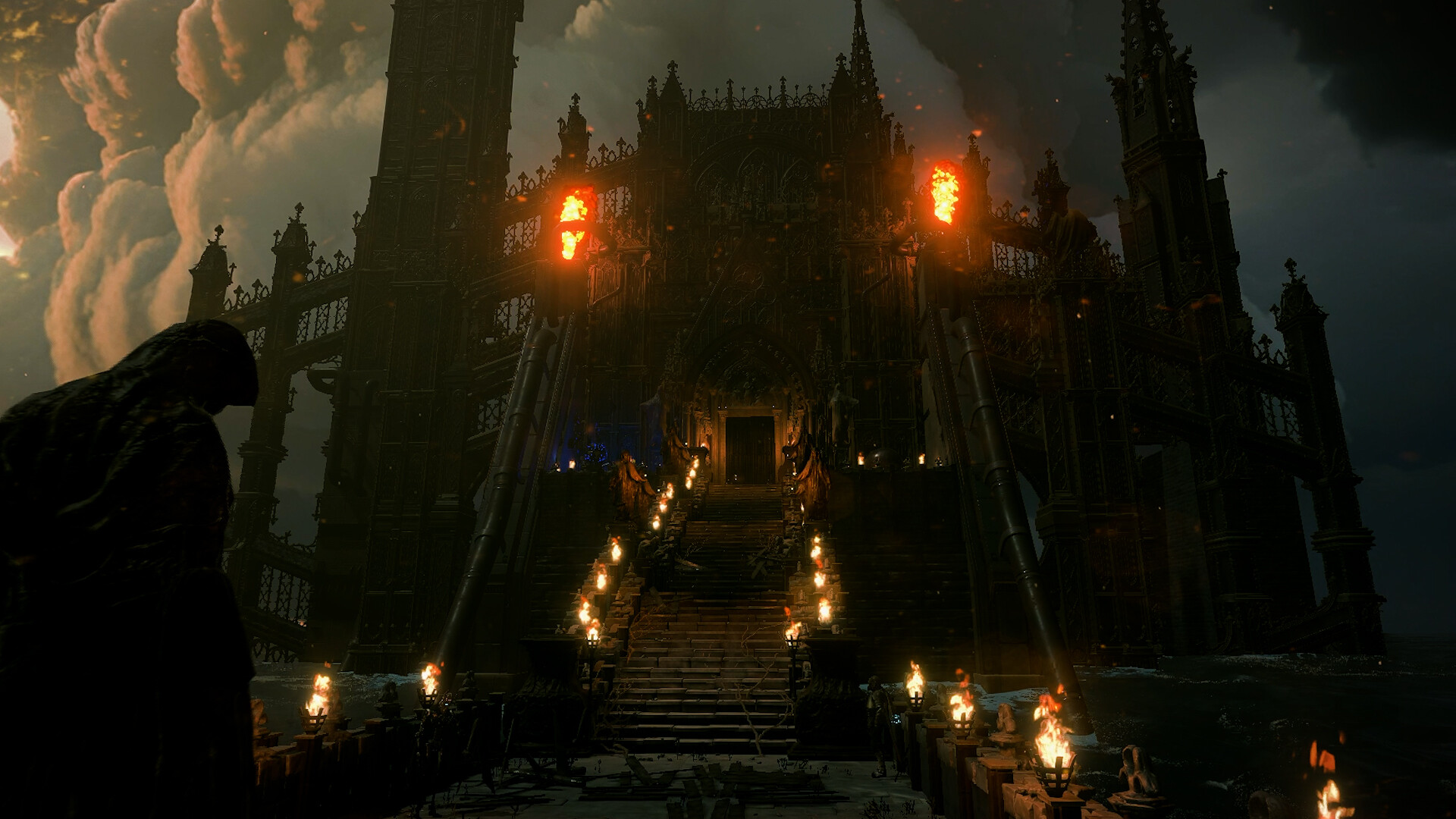
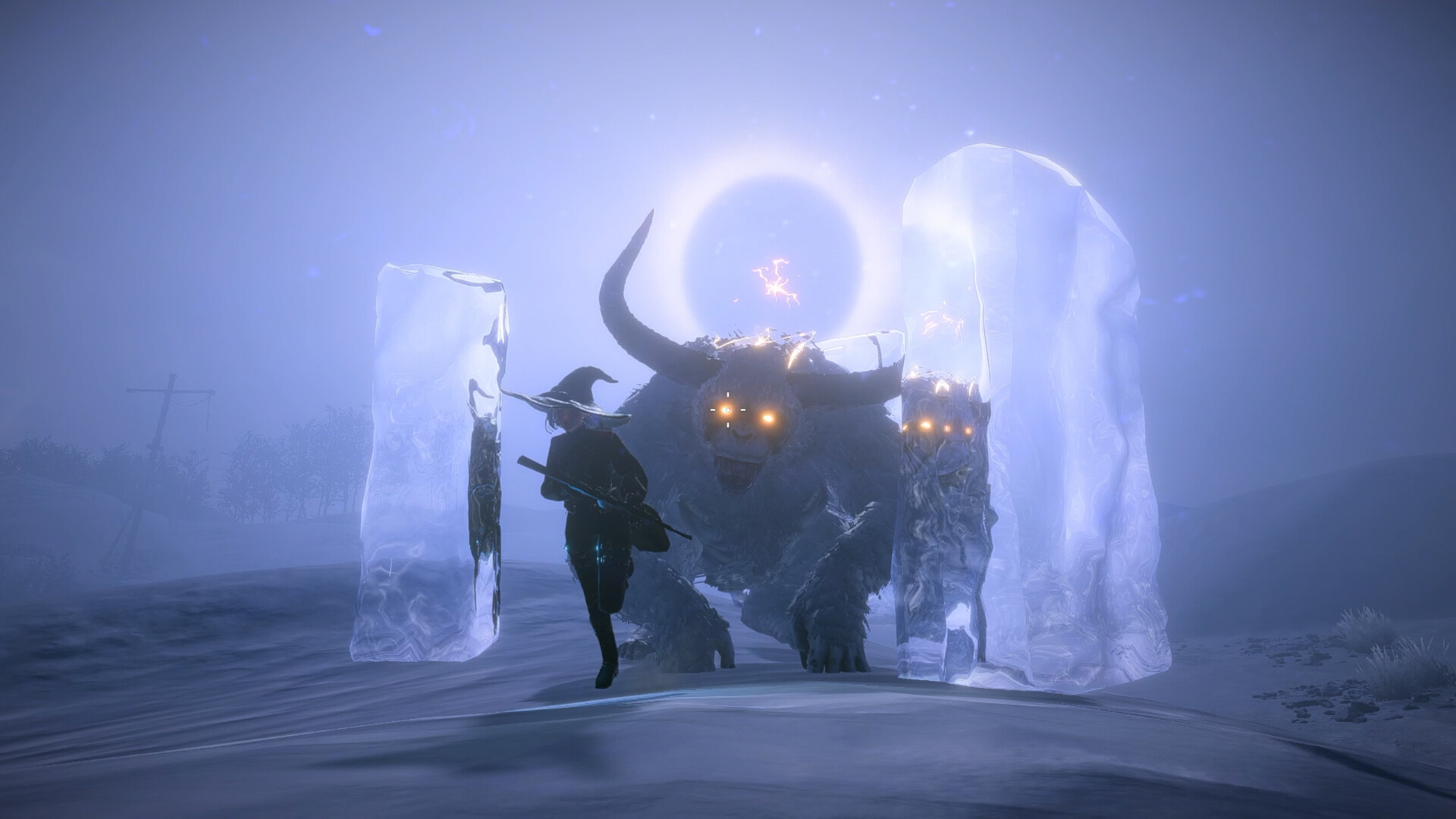
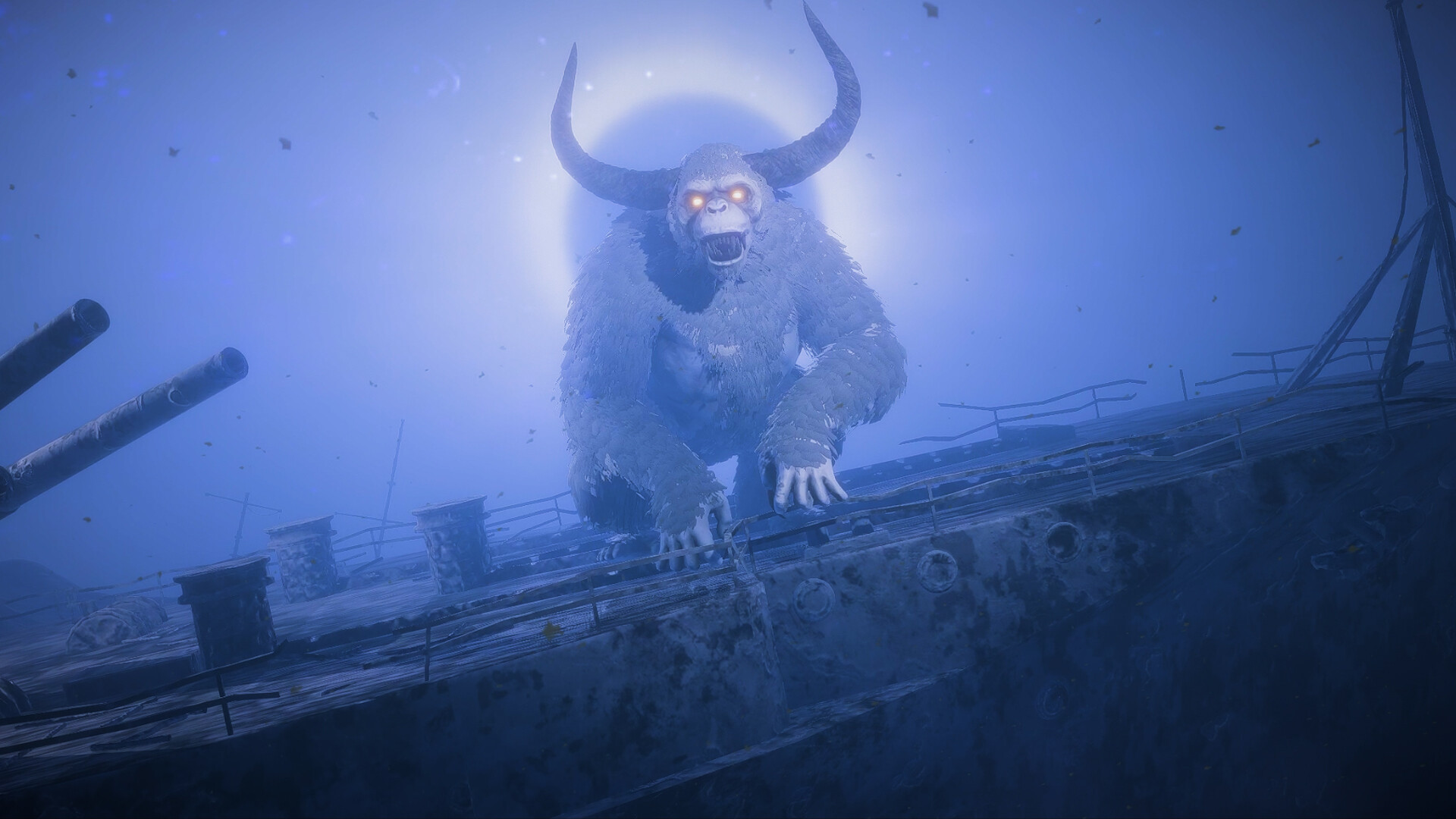
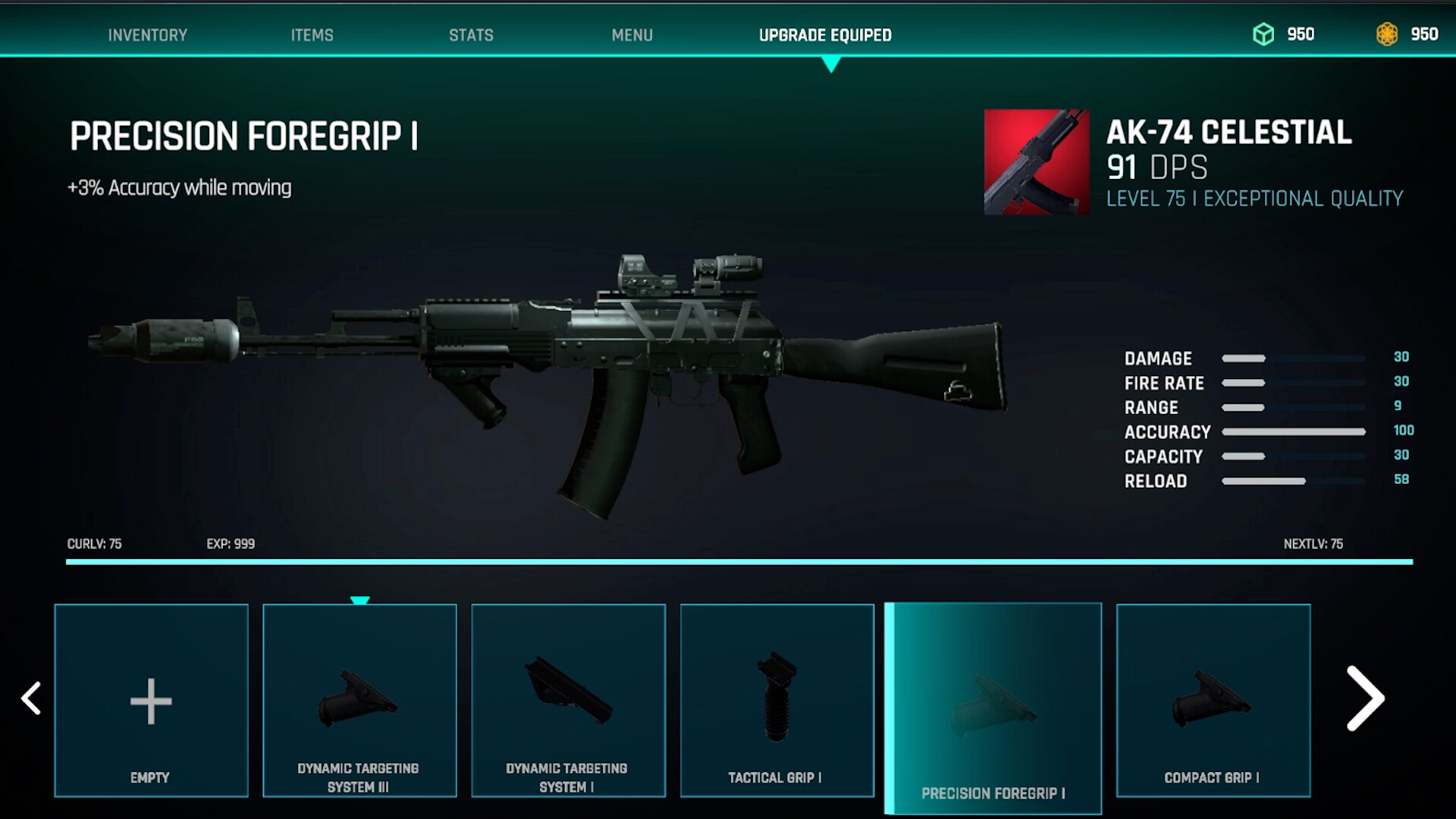
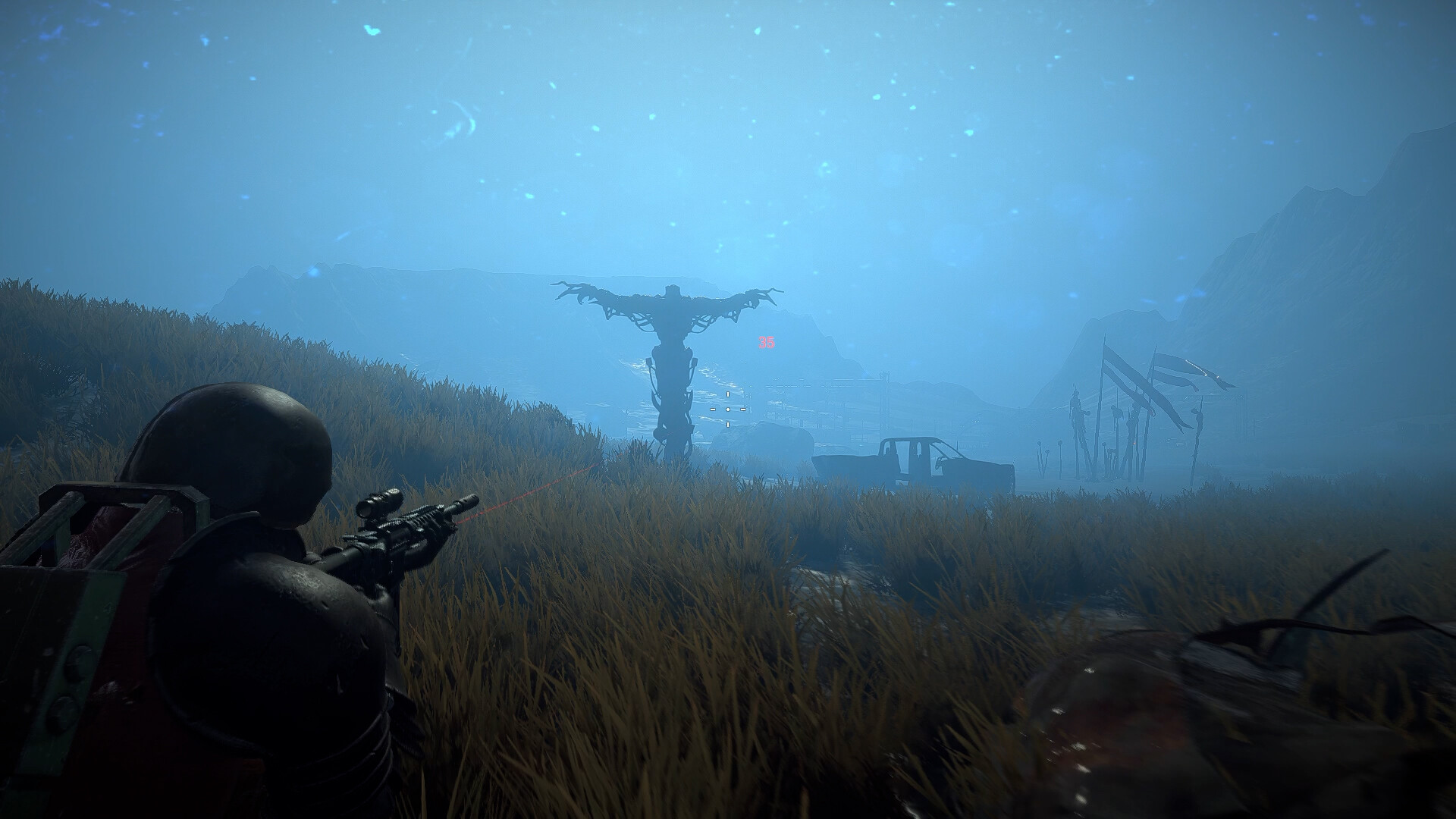
What sets Dark Light apart is how perspective changes gameplay decisions. In top-down you plan, kite, and stack AOE bonuses; in third-person you dodge, aim for weak points, and feel the weight of close combat. Each of the three biomes—the demon-ravaged town, the cursed castle ruins, and the frozen battlefield with monstrous insects—encourages different playstyles and forces you to rethink whether you should engage up close or rain fire from above. Class variety (three unique archetypes) plus artifacts and skill trees gives you enough toybox options to experiment: one run I leaned into shotgun-attachments and melee parries, another I became a long-range hunter with teleportation tricks. The roguelike loop is familiar but effective: survive a run, spend resources on permanent upgrades, then try to push deeper.
Looks, Sounds, and the Occasional Stutter
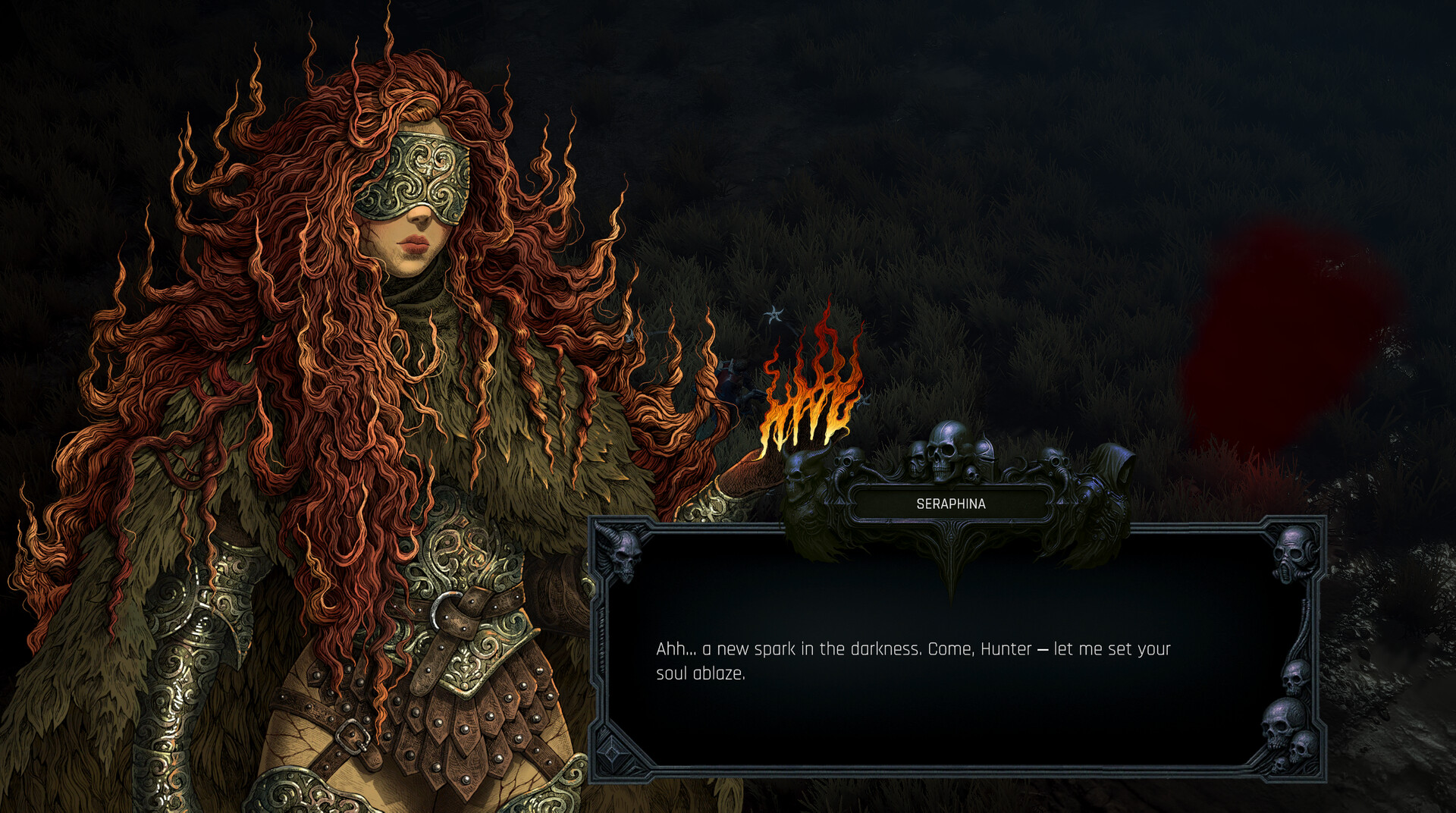
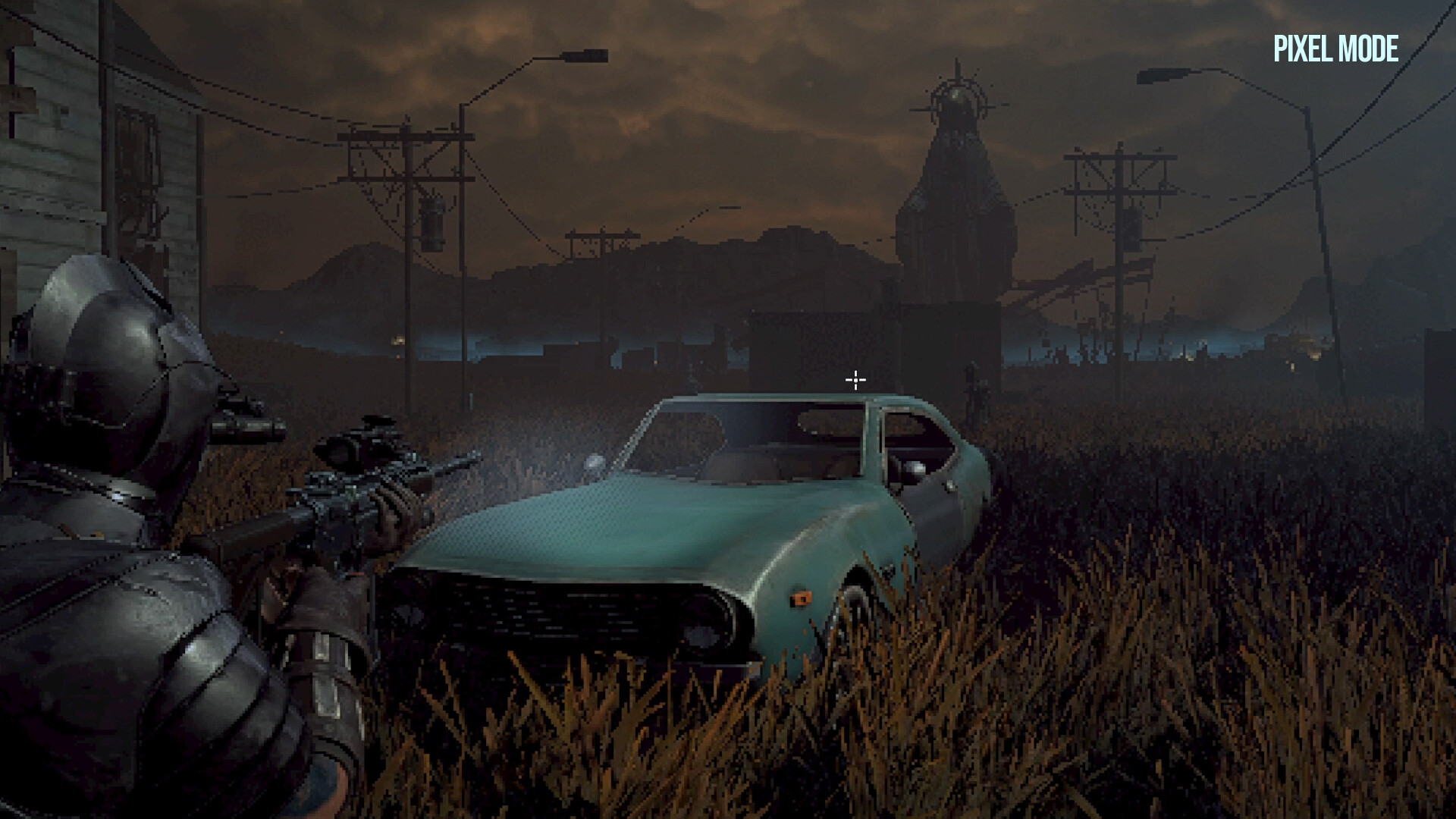
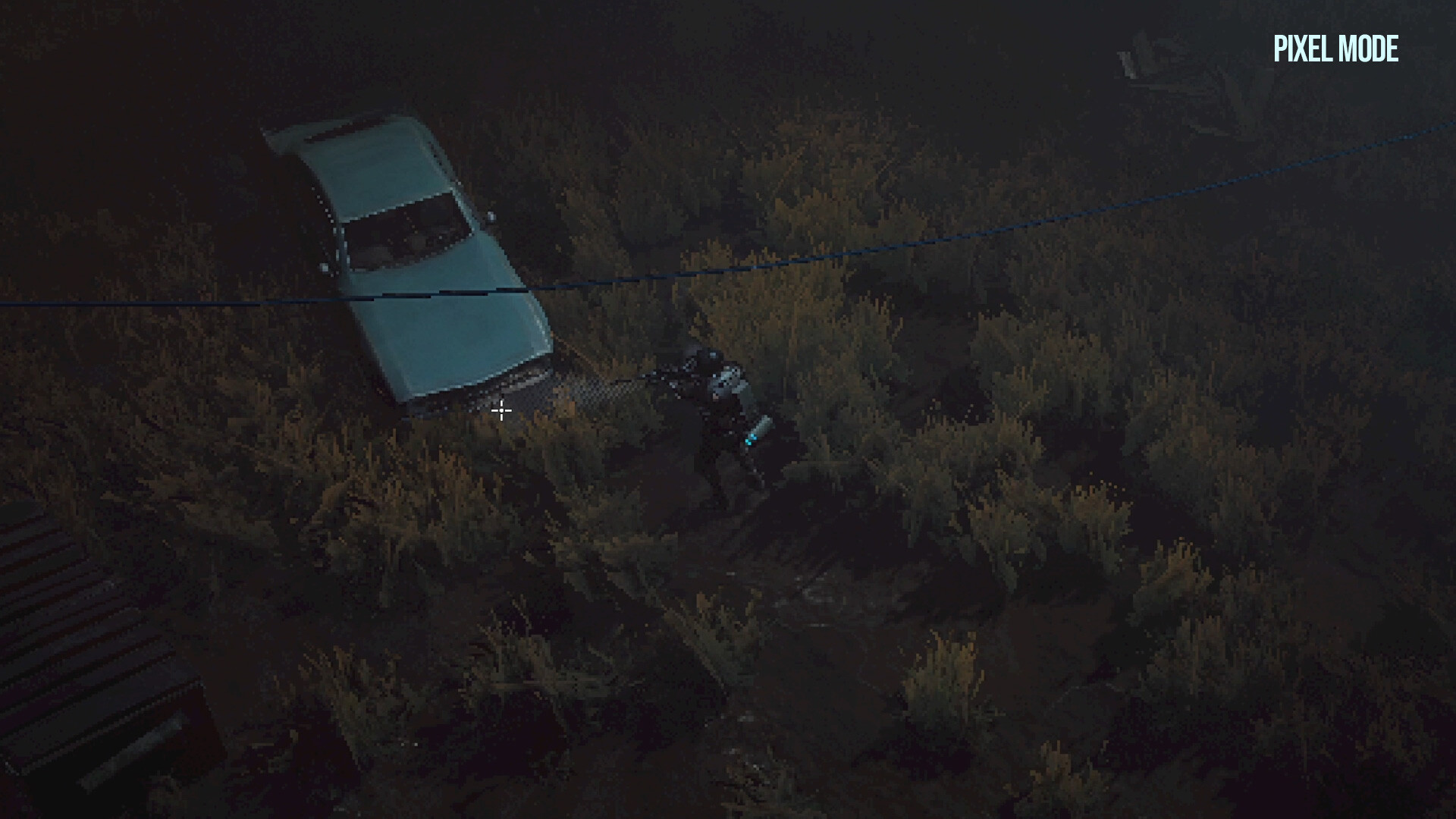
Visually the game is schizophrenic in a good way: a toggle between cinematic 4K visuals and a Pixel Mode that tries to capture retro charm. Pixel Mode currently feels more like a filter than handcrafted sprites, and a lot of players have called out AI-generated UI/art elements that clash with hand-drawn effects—something the devs have been asked to clarify and polish. Sound design leans into grim ambience with punchy weapon SFX; music cues amp up boss fights nicely. Performance is the elephant in the room: many users report frame drops, stutters, long load times and crashes, while others on similar hardware experience smooth runs. The options menu has a few accessibility and graphics toggles, but readability can be an issue when UI text appears small or pixelated in certain modes. Expect frequent updates early on—the devs are active—and some quality-of-life fixes are already rolling out.
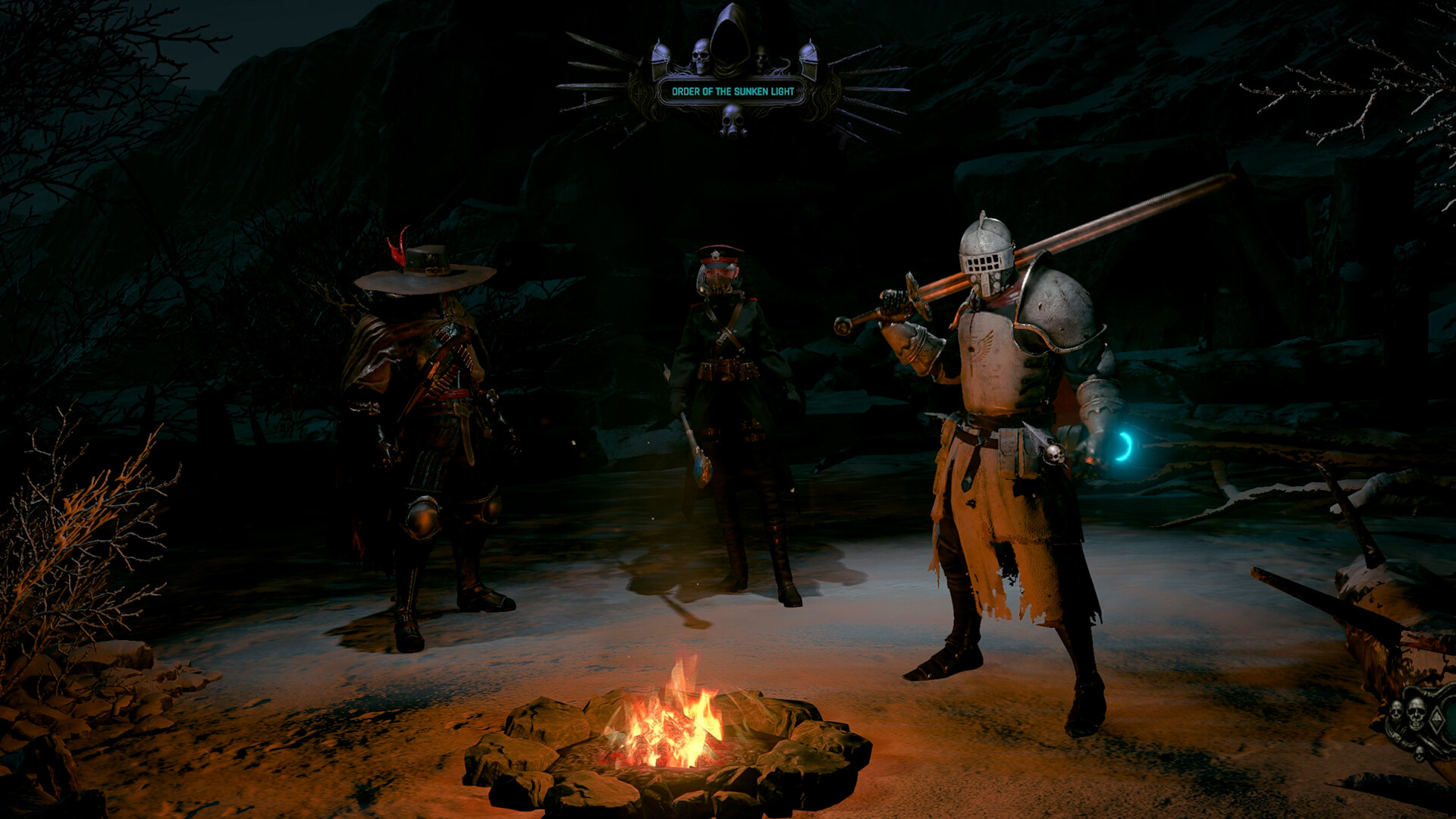
Dark Light: Survivor is an ambitious Early Access roguelike with a clever perspective mechanic and genuinely fun combat. It has the bones of a standout indie hit, but right now stability and some aesthetic choices hold it back—buy only if you’re comfortable with early-access bumps or want to support a developer who’s clearly iterating. Windows players who crave a hybrid survivors/shooter experience will get the most mileage here.
Pros
- Engaging hybrid of top-down survivors gameplay and close-quarter shooting
- Meaningful meta progression with artifacts, classes, and unlocks
- Perspective swap is genuinely tactical and adds replay value
- Strong atmosphere and interesting biome concepts
Cons
- Performance issues: stutters, long loads and crashes reported by many players
- Art/UI choices (AI-generated assets, pixel filter) feel inconsistent to some
- Some systems and areas feel unfinished in this Early Access build
Player Opinion
Players are split but clear patterns emerge: most praise the core loop—guns that feel good, satisfying melee, and the perspective swap that keeps runs fresh. Many compare it favourably to Vampire Survivors or other 'survivors' titles but with a grimmer, shooter-focused twist. Criticism centers on stability and art: frequent reports of crashes, frame drops, long loading times and a pixel mode that some call a shallow filter. Several users also flagged AI-generated UI/art elements as jarring next to hand-drawn parts. On the positive side, others report smooth sessions on decent PCs, love the level and world design, and commend the devs for being active and responsive. If you enjoy rogue-like shooters and don’t mind early-access rough edges, this community likely has something you’ll appreciate.