

Deadhaus Sonata Review – A Gothic ARPG with Big Ambitions
An honest look at Deadhaus Sonata: a vampiric action-RPG from Denis Dyack that bristles with lore, unique tarot systems and co-op promise — but arrives rough in Early Access.
I jumped into Deadhaus Sonata expecting a nostalgia trip and left with mixed feelings: there’s unmistakable Legacy of Kain energy here, but also plenty of jank that screams Early Access. Denis Dyack’s new undead playground promises a narrative-driven third-person ARPG where you play as vampires (and later other undead), tinker with tarot-based powers and shape a persistent world. The hooks — a Celestial Clock, a deterministic loot system and the Eternity concept — are intriguing. If you like dark fantasy with a jagged edge, this one’s worth peeking at, especially if you enjoy watching a game grow.
Feeding the Night: Vampire Action and Movement
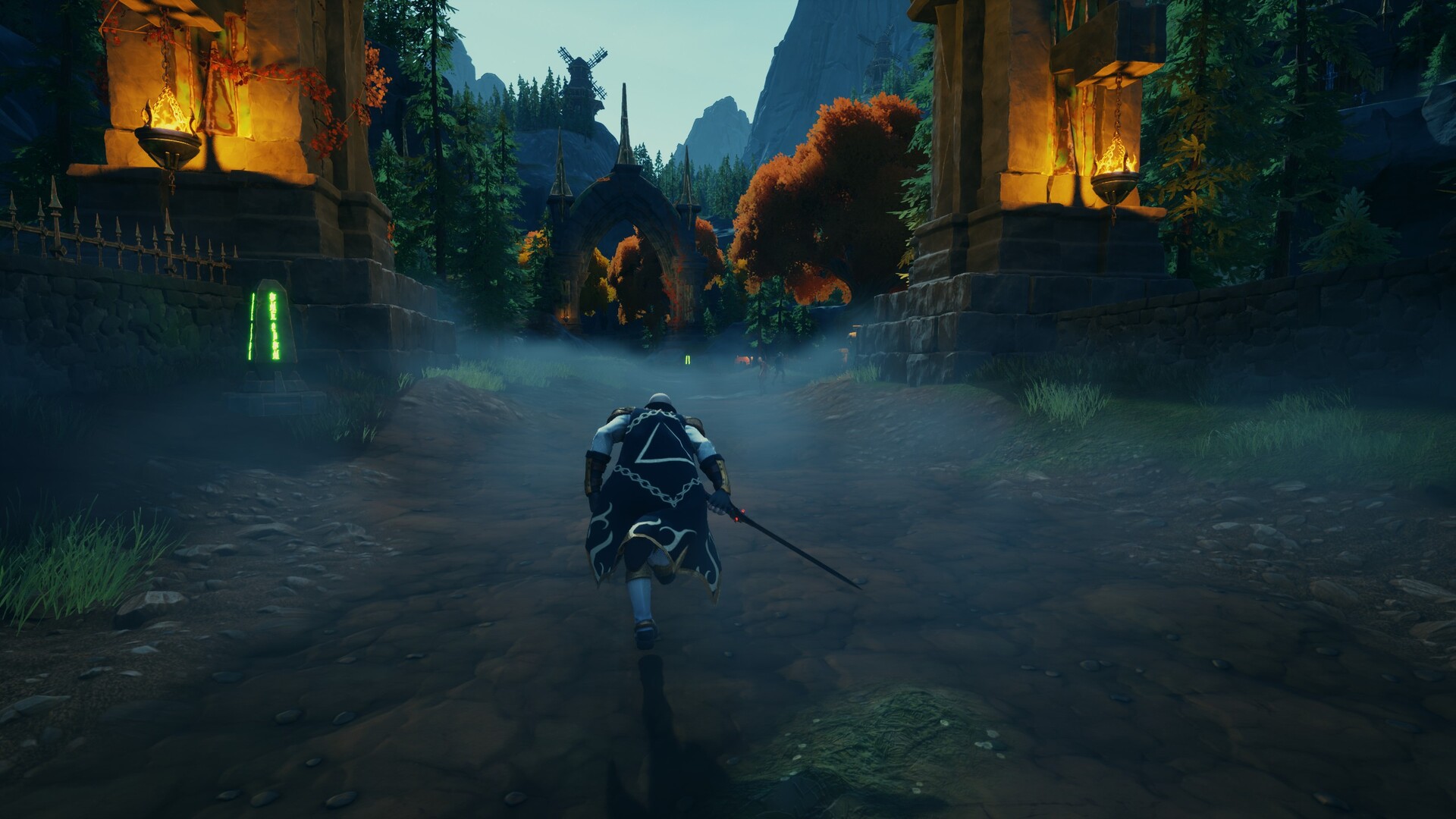
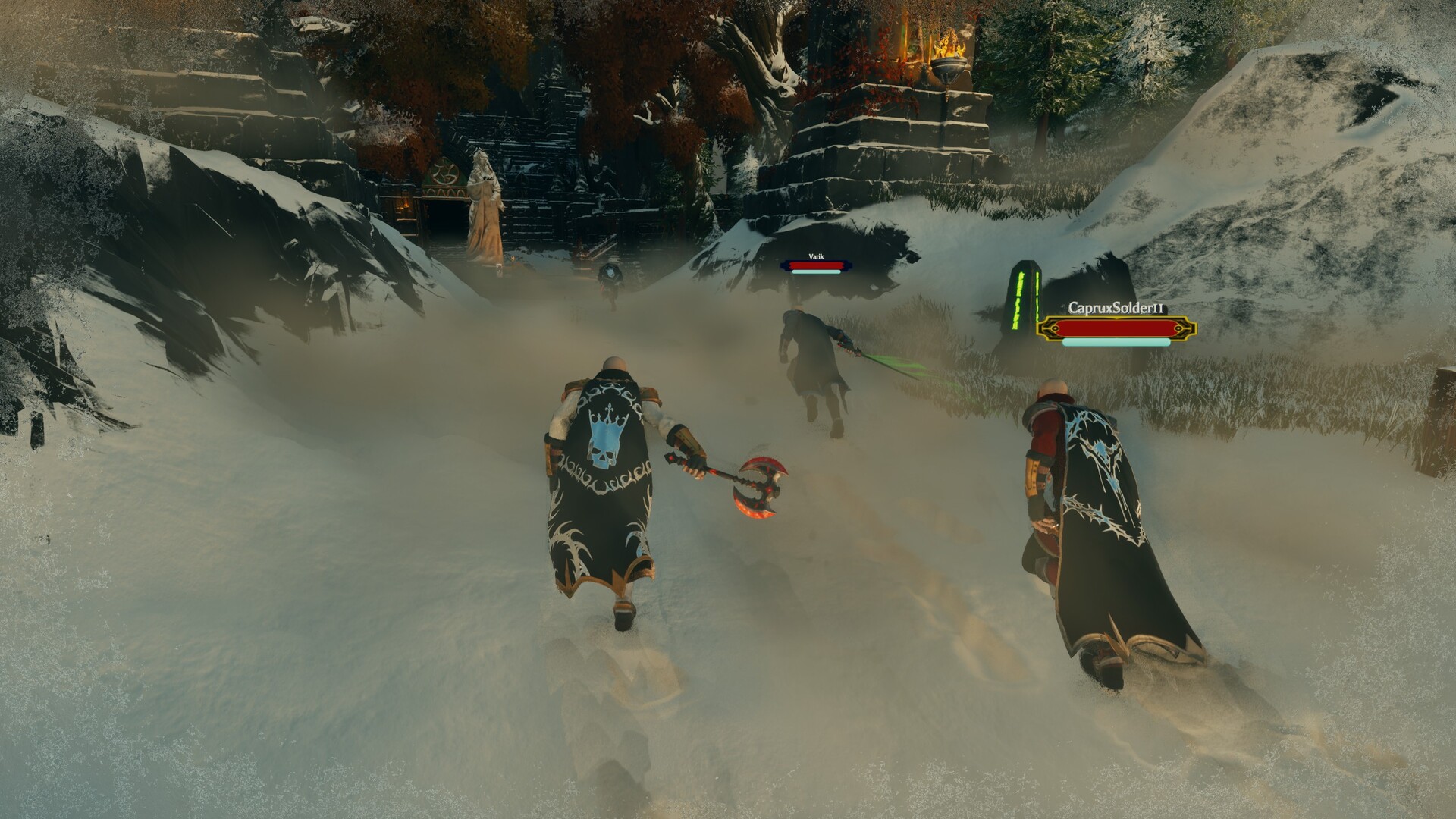
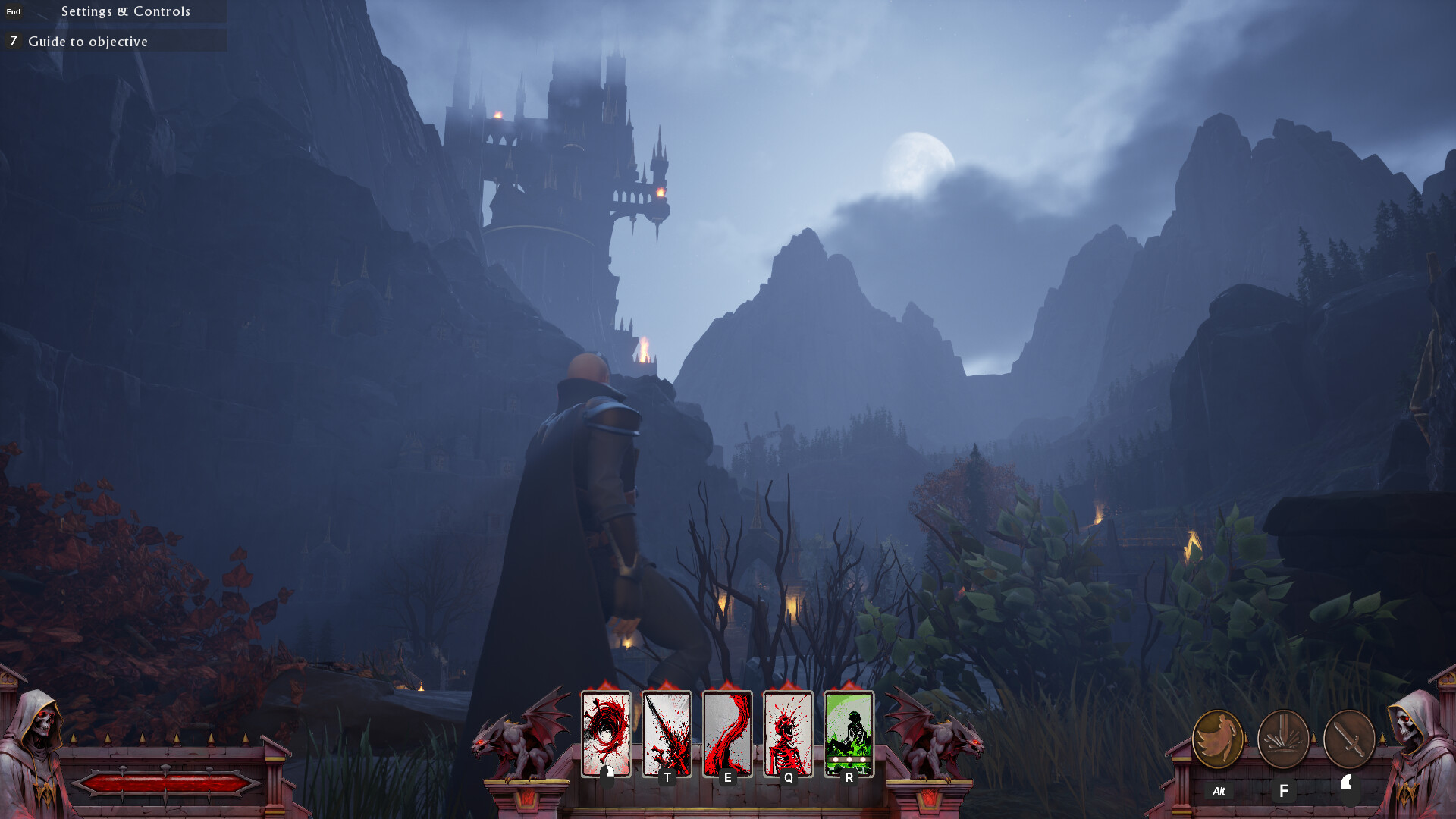
Playing Deadhaus Sonata mostly felt like being handed a blunt, blood-slick scalpel: the combat is designed around timing, positioning and that deliciously vampiric idea of feeding on the living to stay strong. I dash, bite, and chain arcane moves from tarot cards while juggling stamina and positioning; some encounters reward patience, others demand aggressive mobility. You’ll spend a lot of time learning windows for parries or spell interrupts because enemy packs can overwhelm if you rush in like a headless ghoul. Co-op up to six players adds a different rhythm — what’s a slog solo can become a ballet of coordinated hits with friends, and the game clearly aims for emergent team play when multiple decks of tarot cards interact. Bosses so far have been a mixed bag: some feel punchy and memorable, others end too quickly, but the base systems are satisfying when they click.
Tarot, Feats and the Celestial Clock — Systems That Bite Back
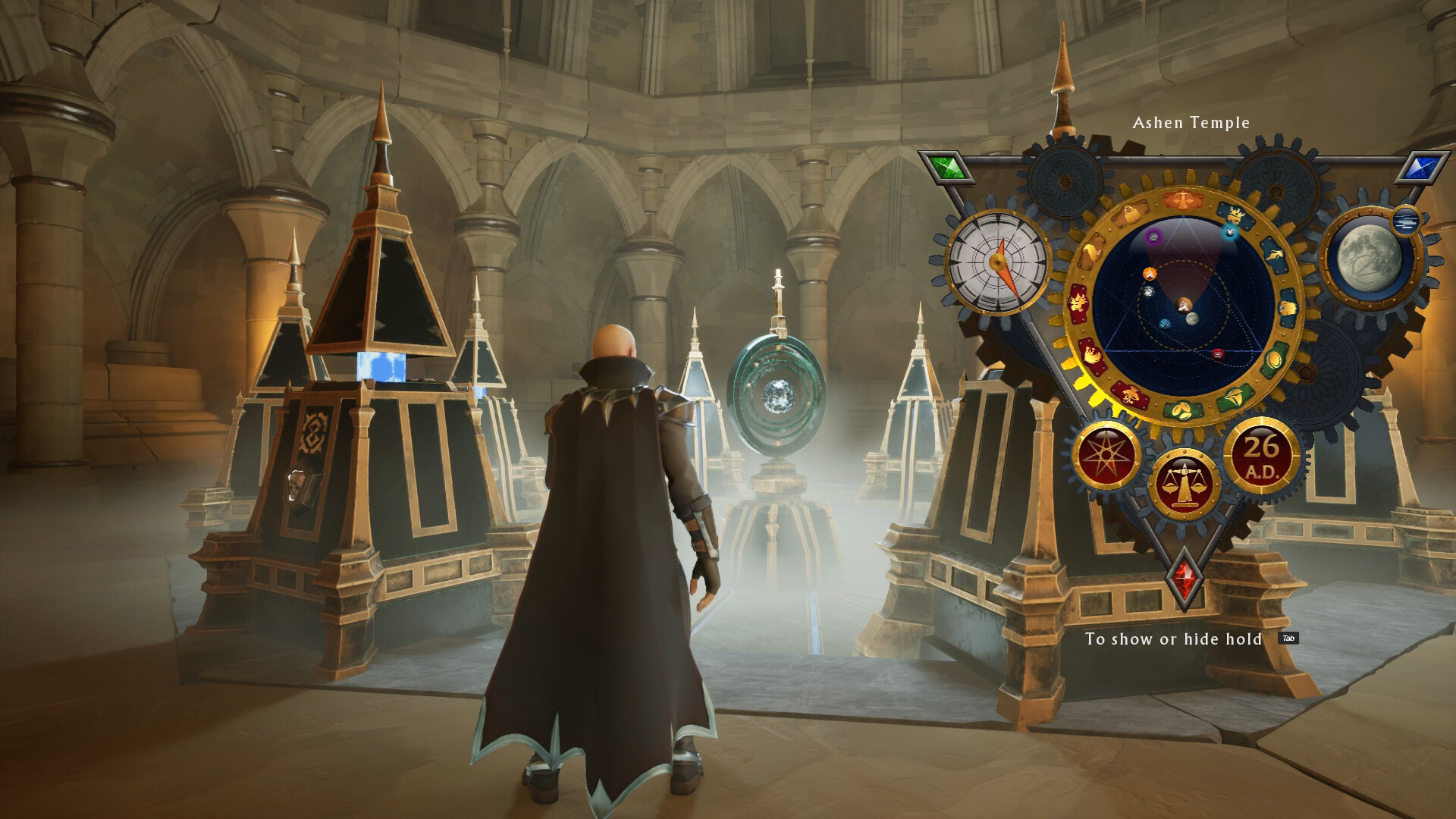
Where Deadhaus truly tries to stand out is in how progression feels tied to action rather than pure RNG. Tarot cards are your toolkit: Major Arcana grant active powers while Minor Arcana boost and evolve them; assembling decks and deciding which inscriptions to slot into gear becomes oddly personal because your rewards reflect your playstyle. Loot isn’t just dropped randomly — feats and inscriptions are earned through specific deeds, and that deterministic angle keeps me experimenting with audacious builds because I feel ownership over the results. The Celestial Clock and weather cycles actually change how you play: different months, alignments and seasons give buffs and debuffs that nudge you toward situational choices. It’s clever, evocative and at times complex enough to be intimidating — which is both a charm and a pitfall when tutorials don’t stick long enough on screen.
Malorum’s Grit — Art, Voice and Technical Reality
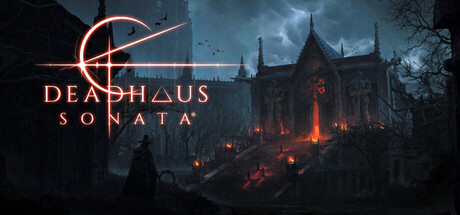
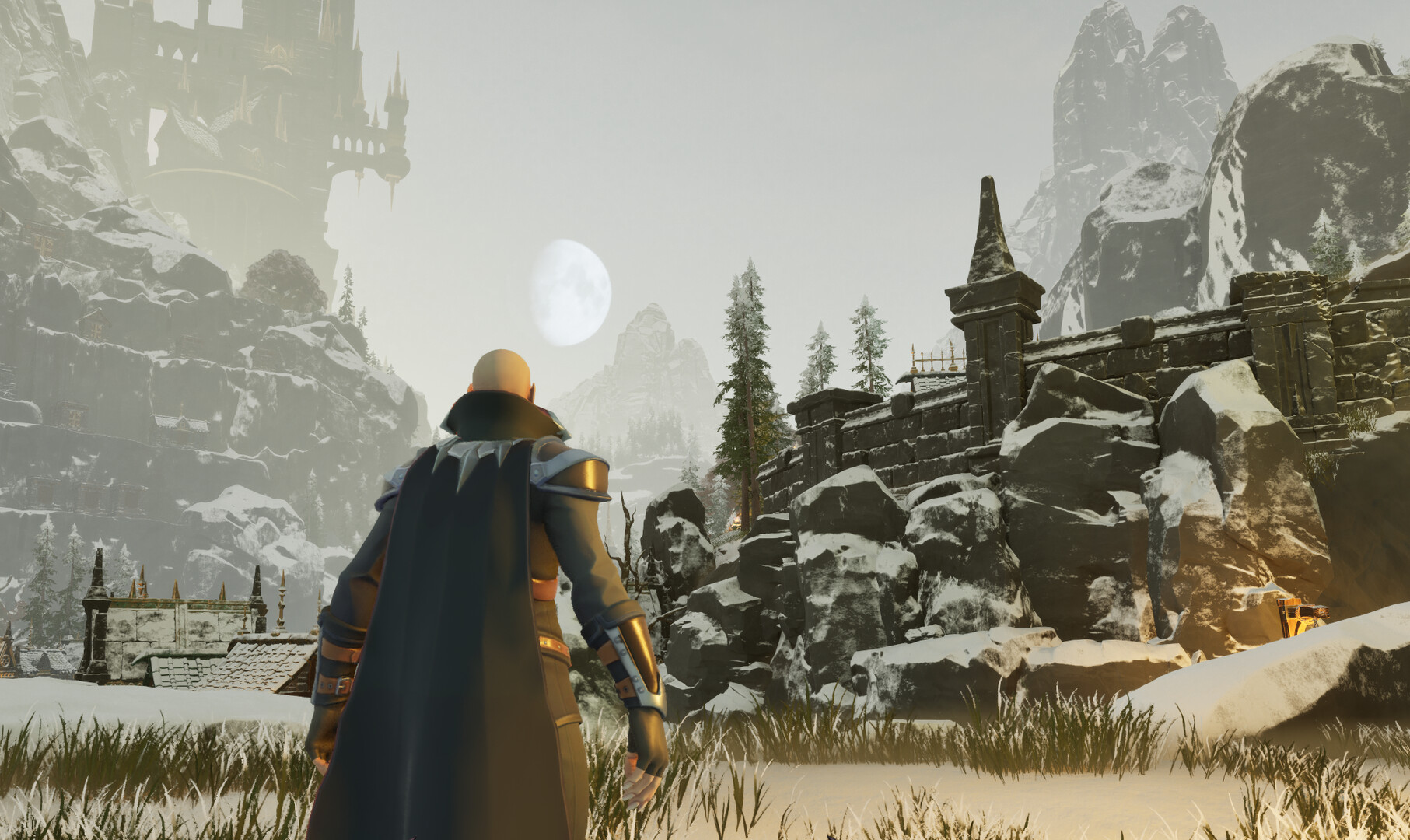
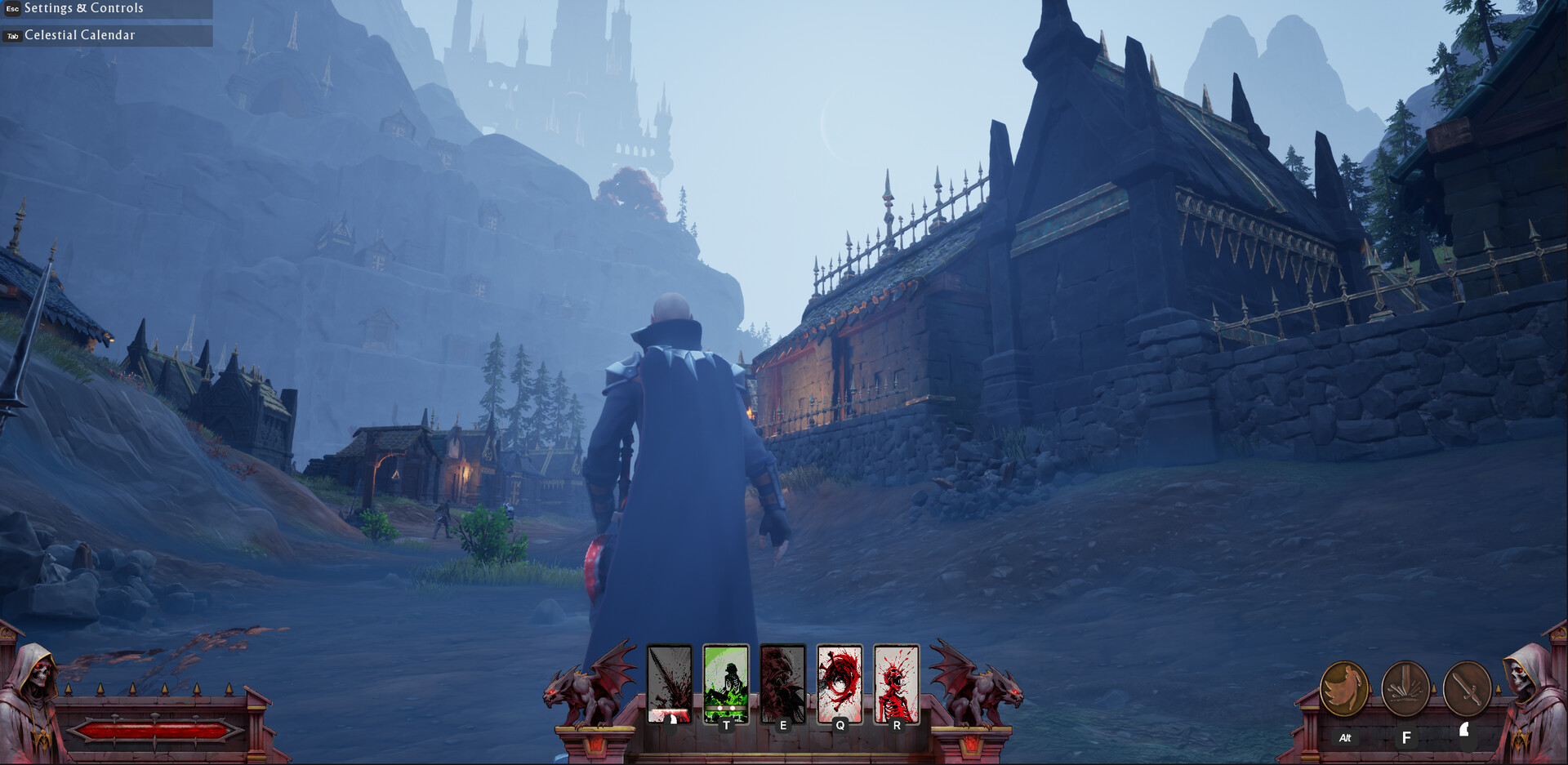
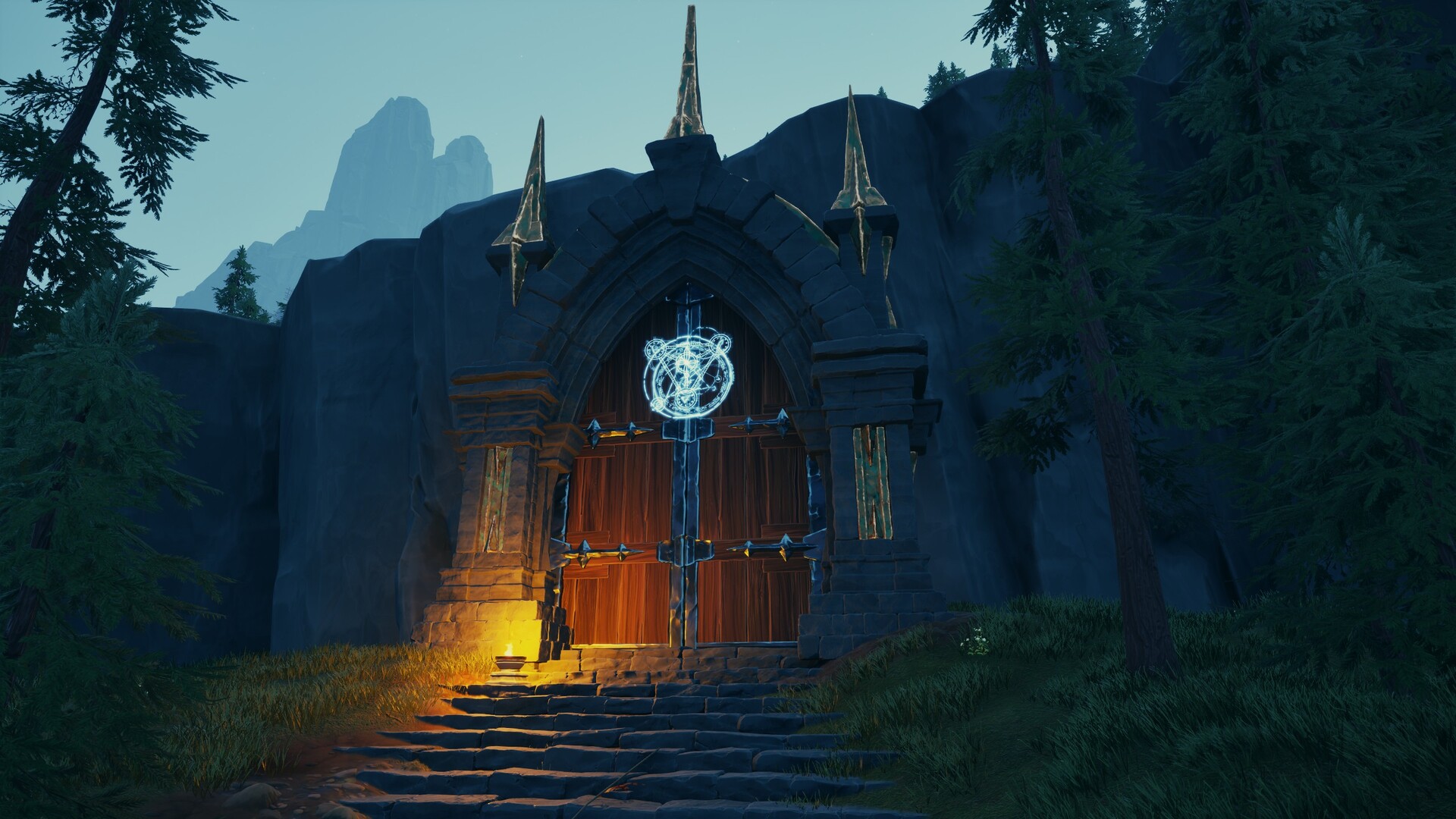
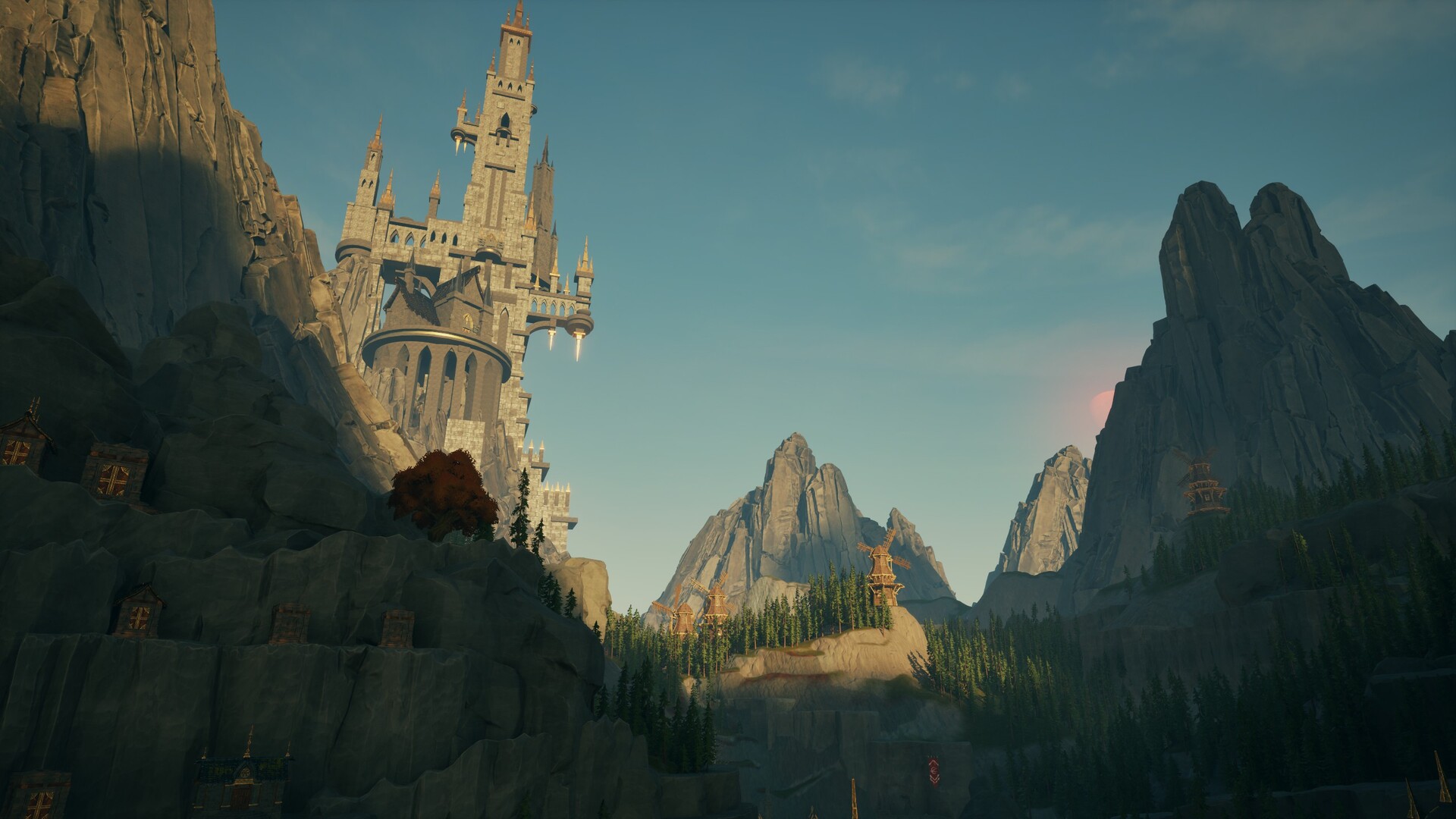
Visually the world leans into gothic grandeur: ruined keeps, fog-choked valleys and baroque character art that carries the Legacy of Kain vibe without copying it. The voice work is surprisingly professional and helps sell the atmosphere; the Chronicles audio lore is a treat if you’re into background worldbuilding. On the technical side, though, expect roughness: performance hitches, controller oddities and platform-specific crashes appear in player reports and my own sessions showed occasional freezes and stuttering. The UI needs polish — some menu flows feel clumsy and tutorials can vanish before you’ve processed them. Still, the core presentation has an identity: the music, the sound of a bite and the visual blood-sheen give the combat weight even when animations or enemy reactions lag behind.
Co-op, Eternity and What’s Next
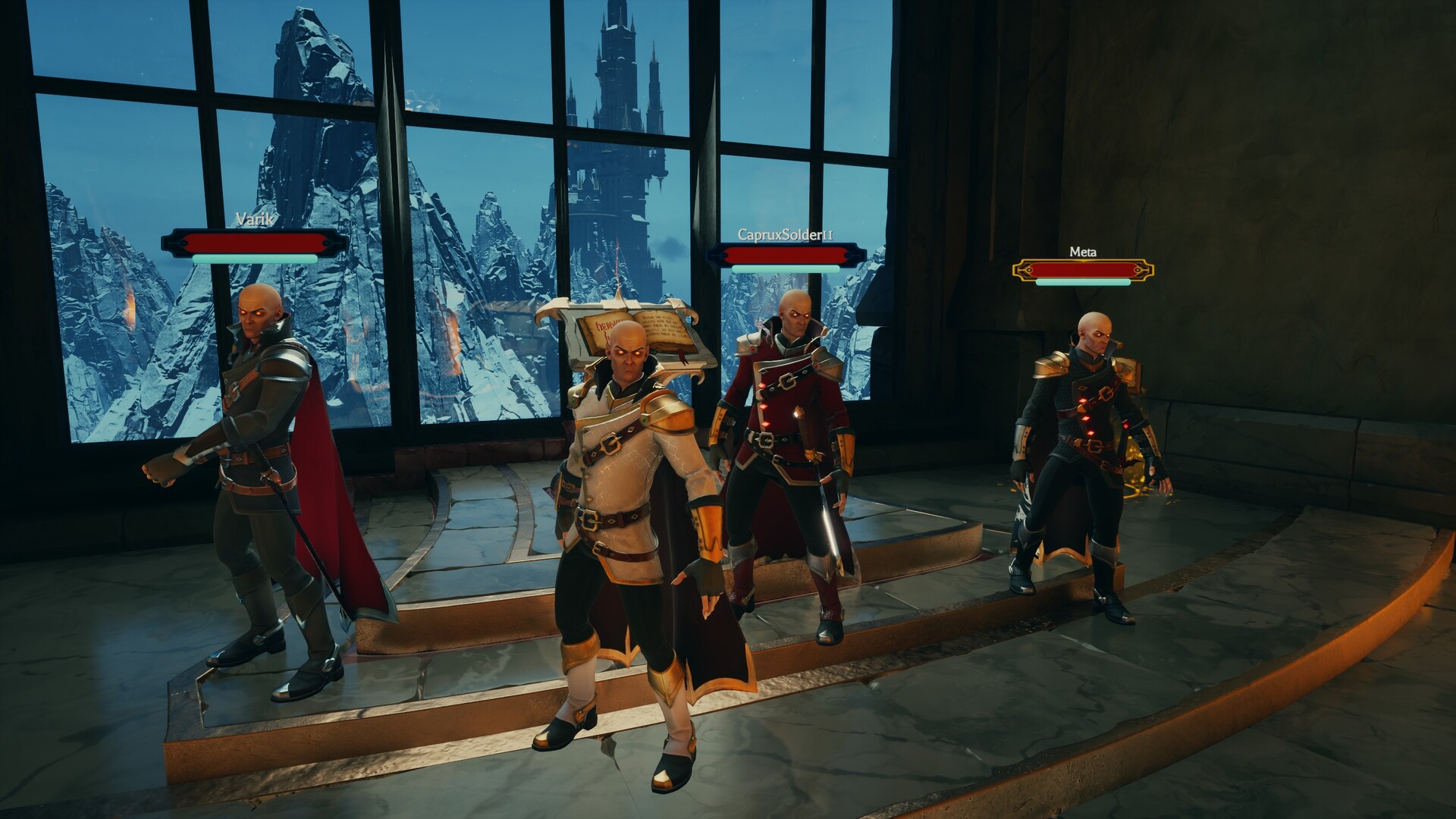
The multiplayer promise matters here: playing with friends amplifies the tarot-system depth because decks can combo across players, and Apocalypse Studios intends to add more classes and cards to deepen that interplay. The Eternity System — a framework for persistent world and player-driven consequences — is intriguing on paper and already threads into quests and sentient gear. If the studio follows through on balancing, controller fixes and optimization, the combination of persistent consequences, crafted loot and tarot experimentation could carve a unique niche in the ARPG space. For now, it’s a game of potential: rewarding when systems align, frustrating when polish is missing.
Deadhaus Sonata is an ambitious, personality-rich ARPG that often thrills and sometimes frustrates — mostly because it’s Early Access. If you love dark, lore-heavy worlds and experimental progression systems, there’s a lot to enjoy and help shape. If you need a finished, optimized experience today, wait a bit and watch the patch notes.
Pros
- Rich, gothic lore and professional voice work
- Innovative tarot and deterministic loot systems
- Fun, timing-based combat that rewards skill
- Co-op for up to six players and emergent combos
Cons
- Early Access roughness: bugs, crashes and optimization issues
- UI and tutorial clarity need improvement
- Some systems feel underpolished and controller support is shaky
Player Opinion
Players are split but purposeful: many praise the dense lore, narrated Chronicles and the Tarot/feats systems as genuinely different from typical ARPG grind. Several reviewers feel a strong Legacy-of-Kain vibe and commend the ambition and community engagement from the devs. At the same time, frequent complaints crop up about performance (stutters, overheating, crashes on certain GPUs), thin early-access content, clunky controller support and tutorial depth. The recurring message is: it’s raw but promising — play if you want to support the project or watch it evolve; wait if you expect a polished retail experience.