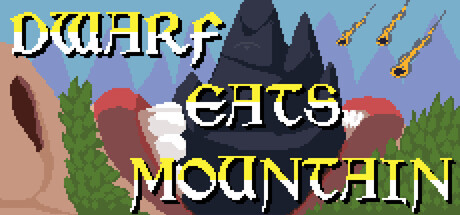




Dwarf Eats Mountain Review – A Delightfully Greedy Incremental
Dwarf Eats Mountain turns dwarf-driven destruction into a genius incremental: hire oddball dwarves, power up machines, haul gold past falling rocks and chase absurd synergies across runs. Addictive, silly and surprisingly deep.
There’s something wonderfully absurd about a game where your main KPI is how much of a mountain you can eat. Dwarf Eats Mountain takes that daft premise and spins it into a tight incremental with actual mechanical depth. It’s part idle, part active strategy: you build weird synergies, nudge runners to safety, and watch the numbers explode. If you like Gnorp-style charm mixed with frantic last-second saves, this one will likely eat your weekend and your will to do chores.
Devour, Deploy, Repeat
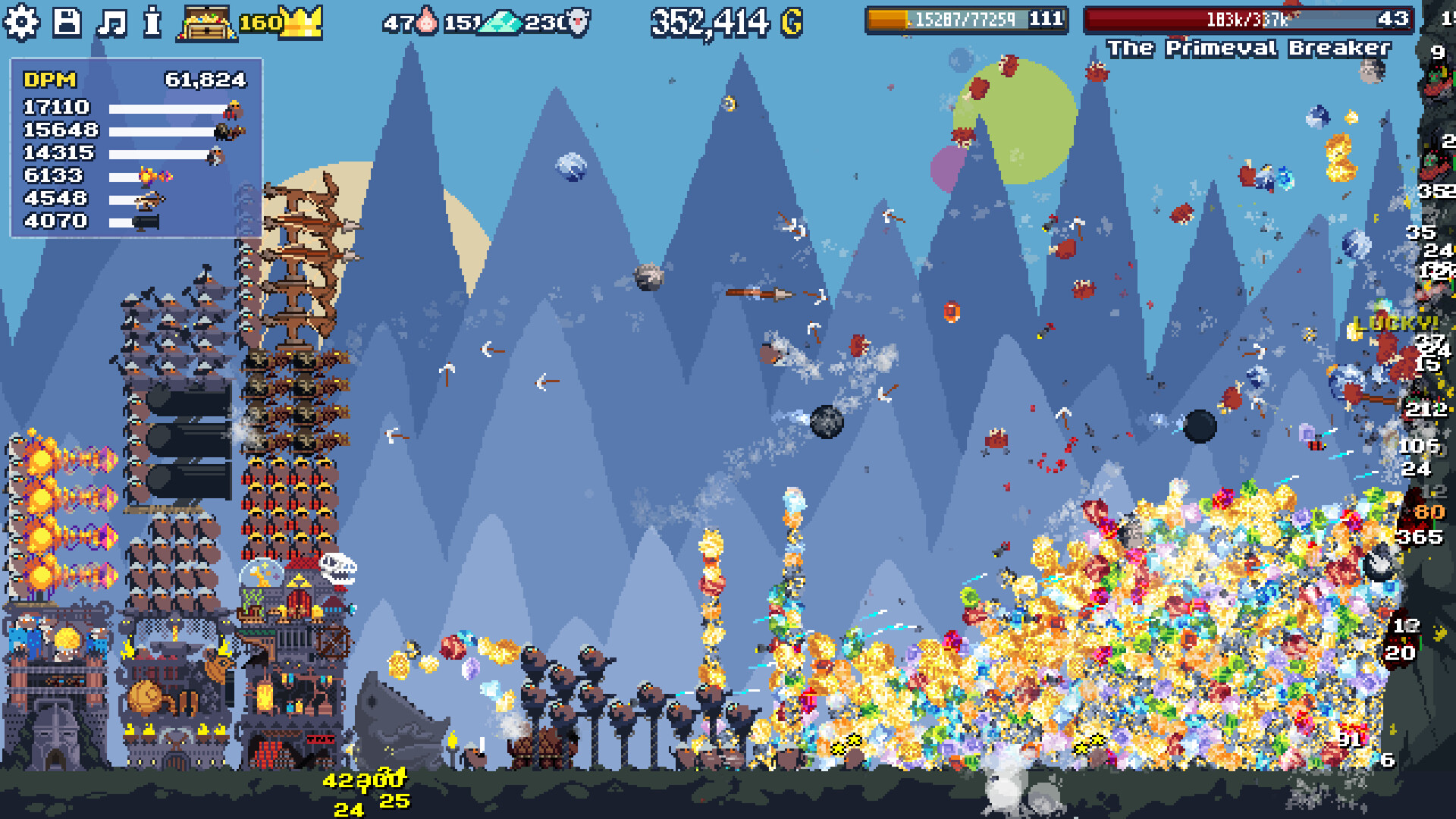
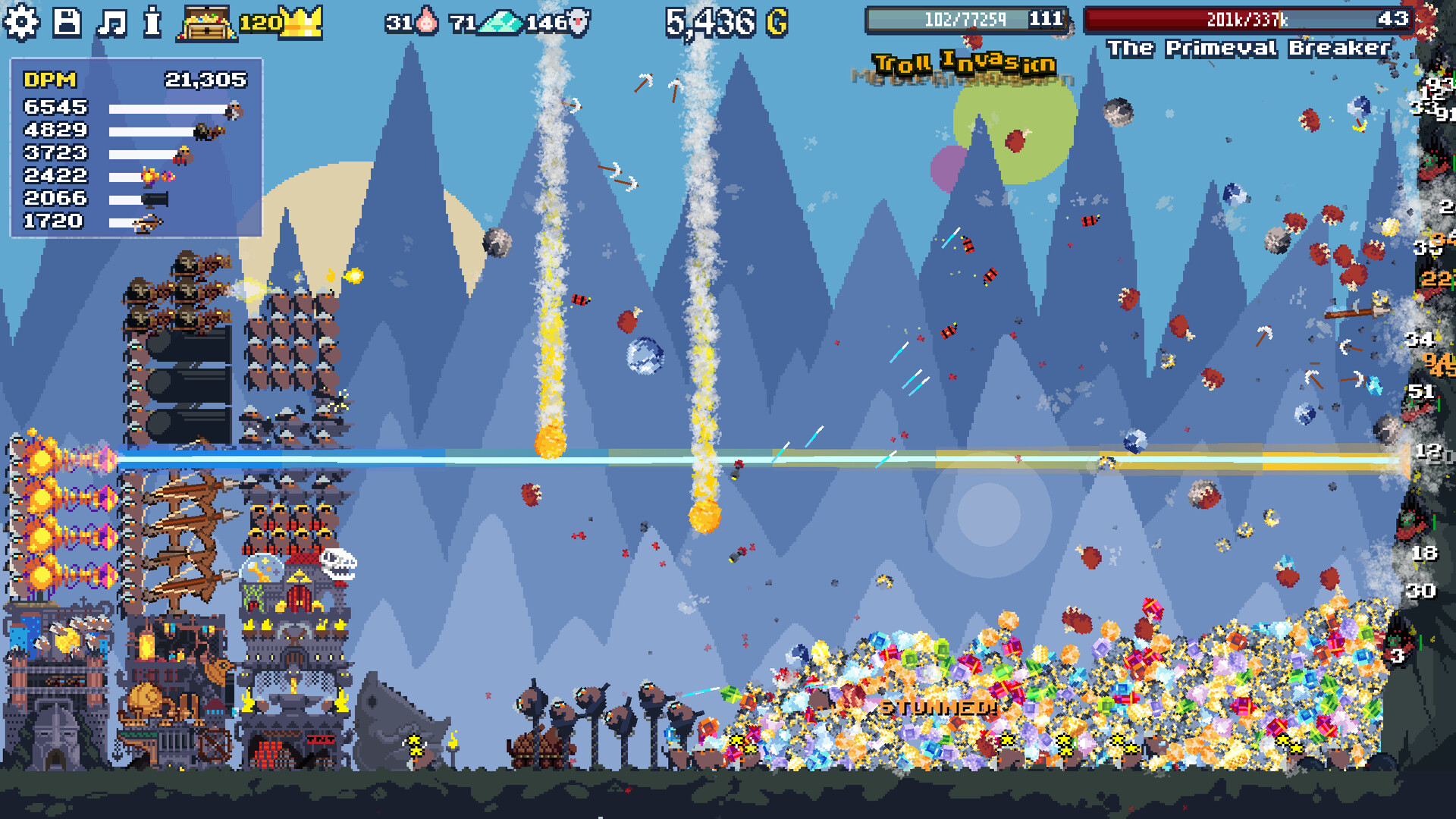
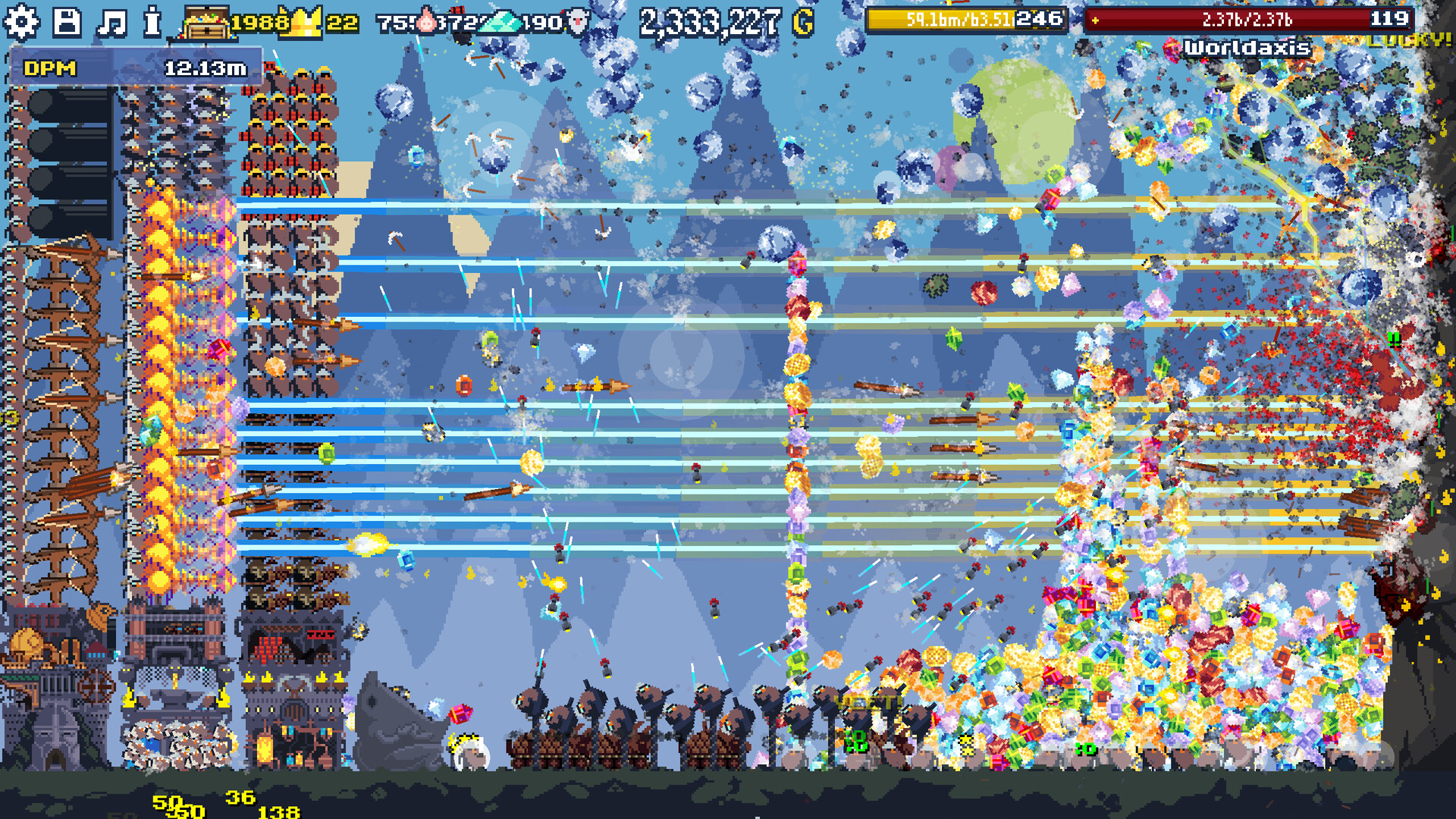
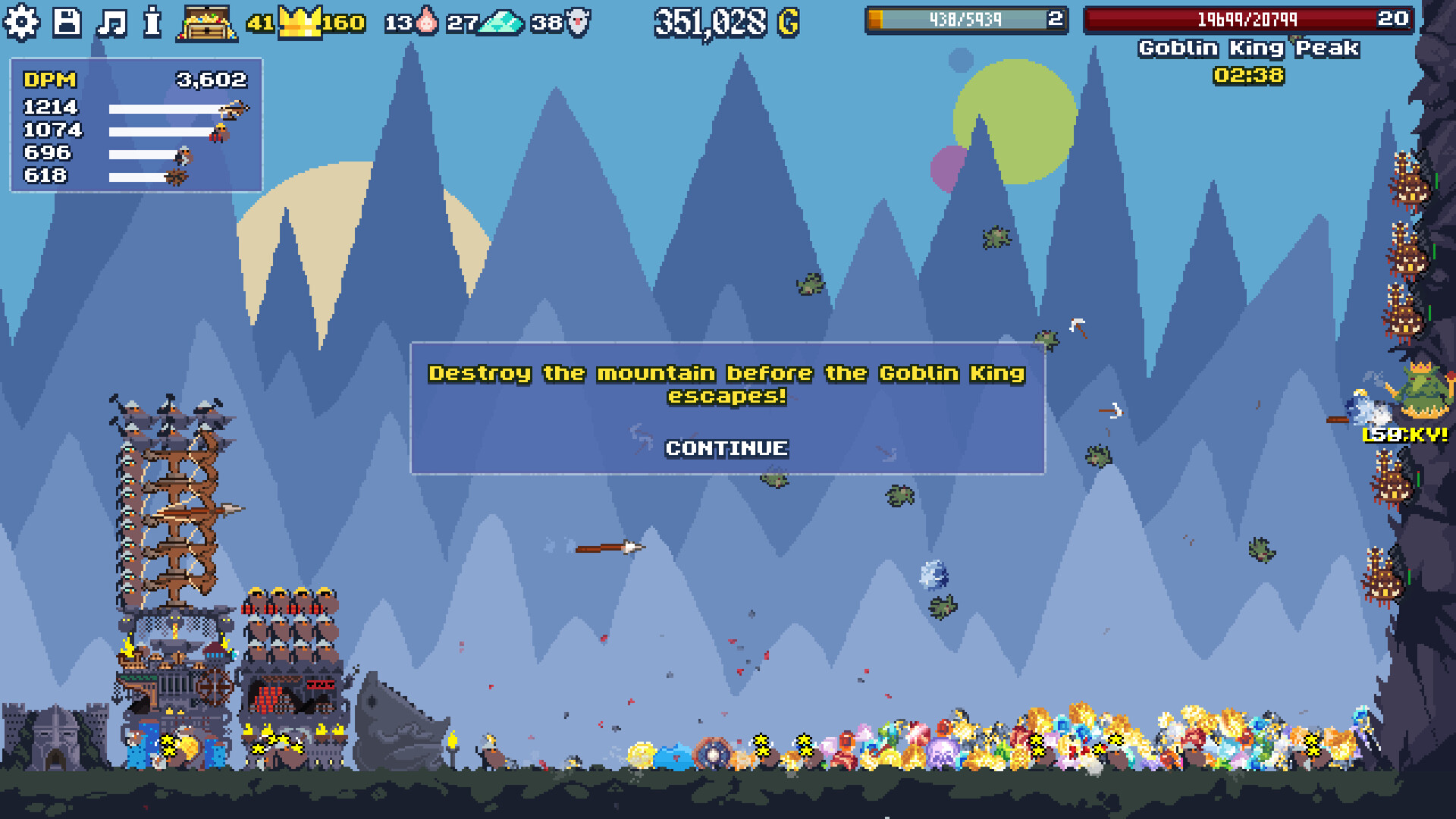
At its heart Dwarf Eats Mountain is about two competing urges: smash the mountain for loot and get that loot safely back. You hire a parade of dwarves — from dynamite throwers and spelunkers to runesmiths and gyrocopters — and place war machines that whittle away at the cliff face. The action splits between active clicking and clever passive planning: manually nudge a den or slap a dwarf to unstun them, or sit back while ballistas and laser cannons grind ores. Runners are the real spice; watching them weave through falling rocks to haul gold feels half-satisfying, half-heart-attack. Each run is a balancing act: push damage for faster econ, but don’t collapse the mountain before your haul arrives.
The Joy of Absurd Synergies
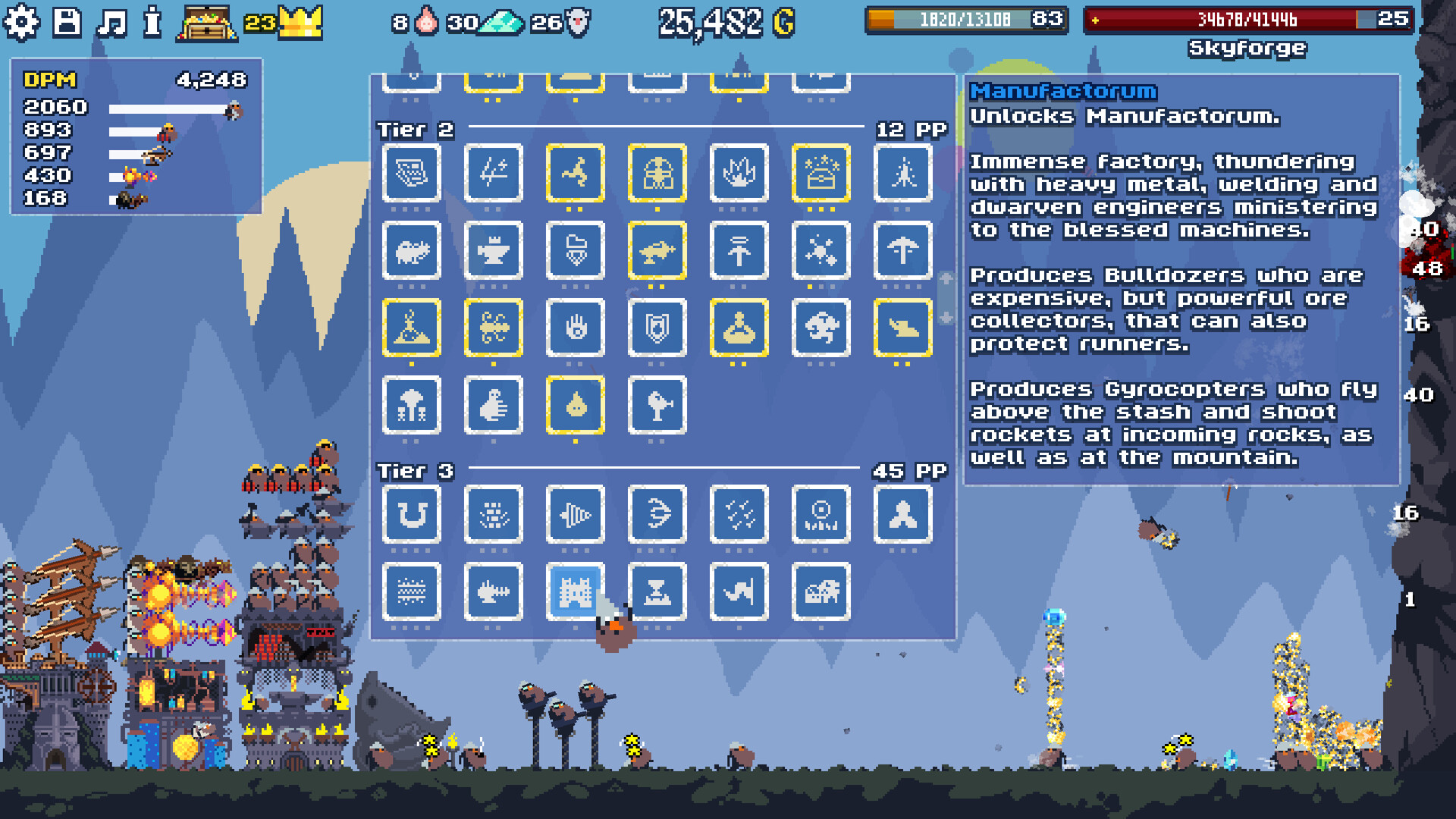
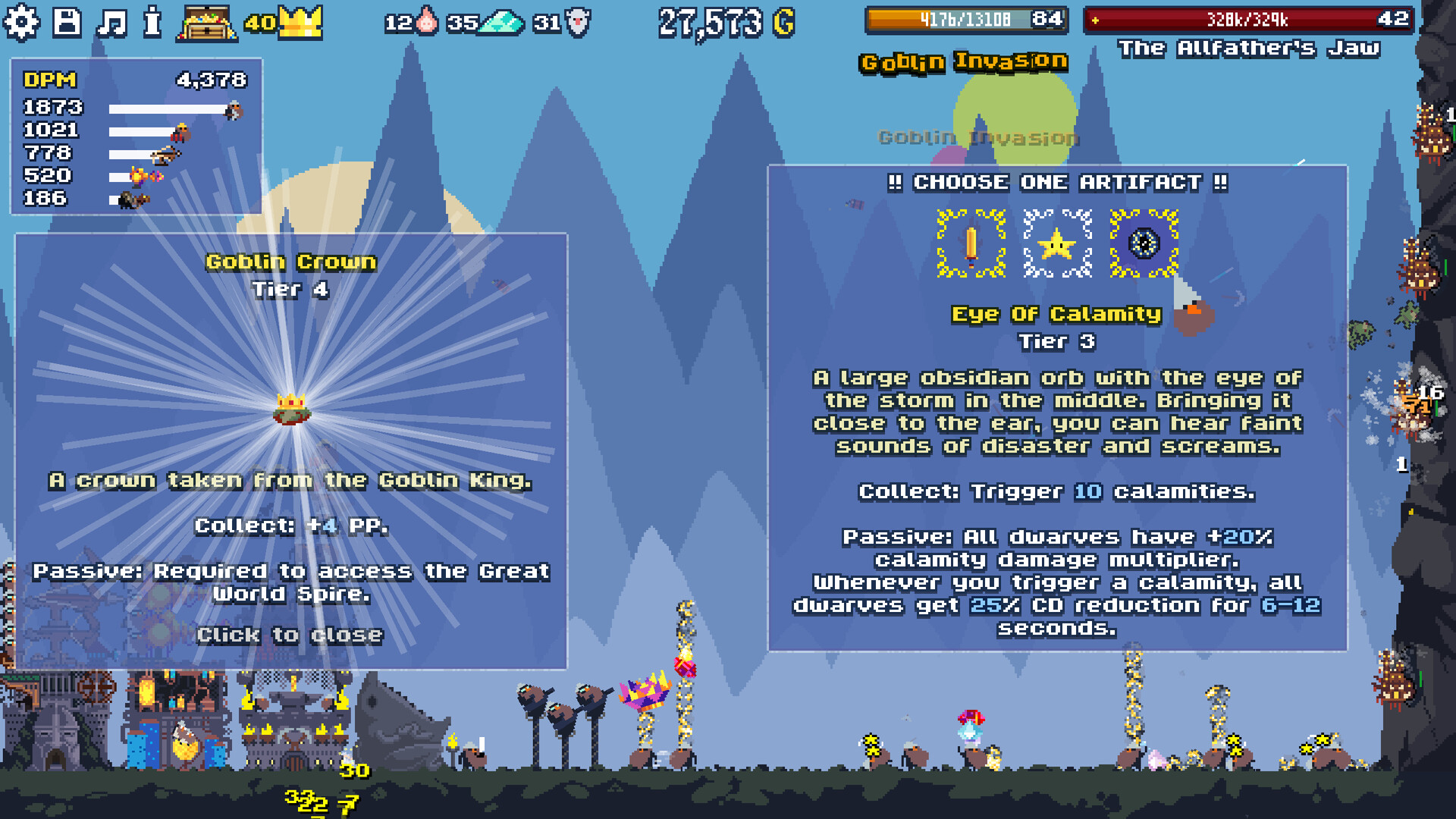
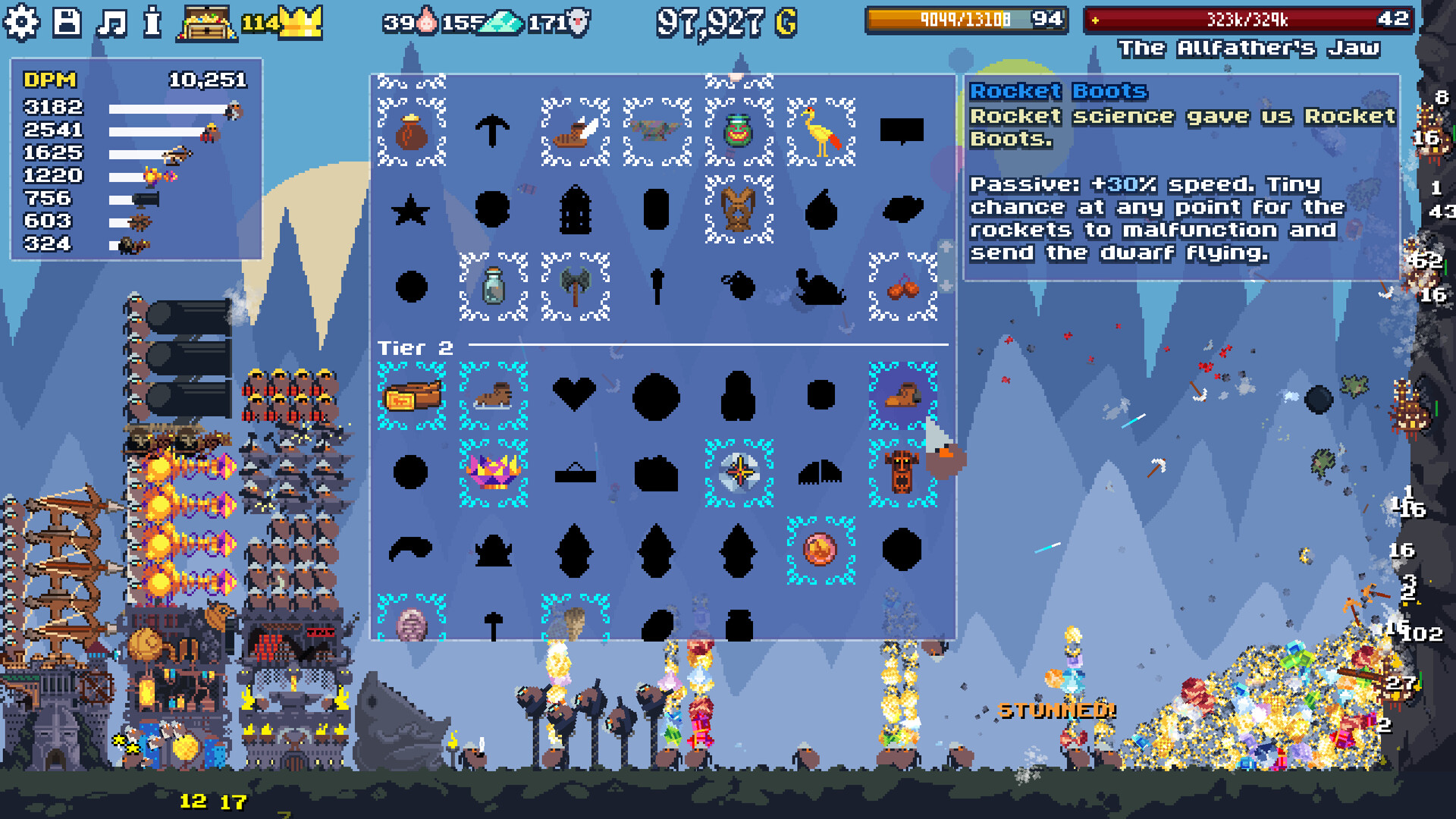
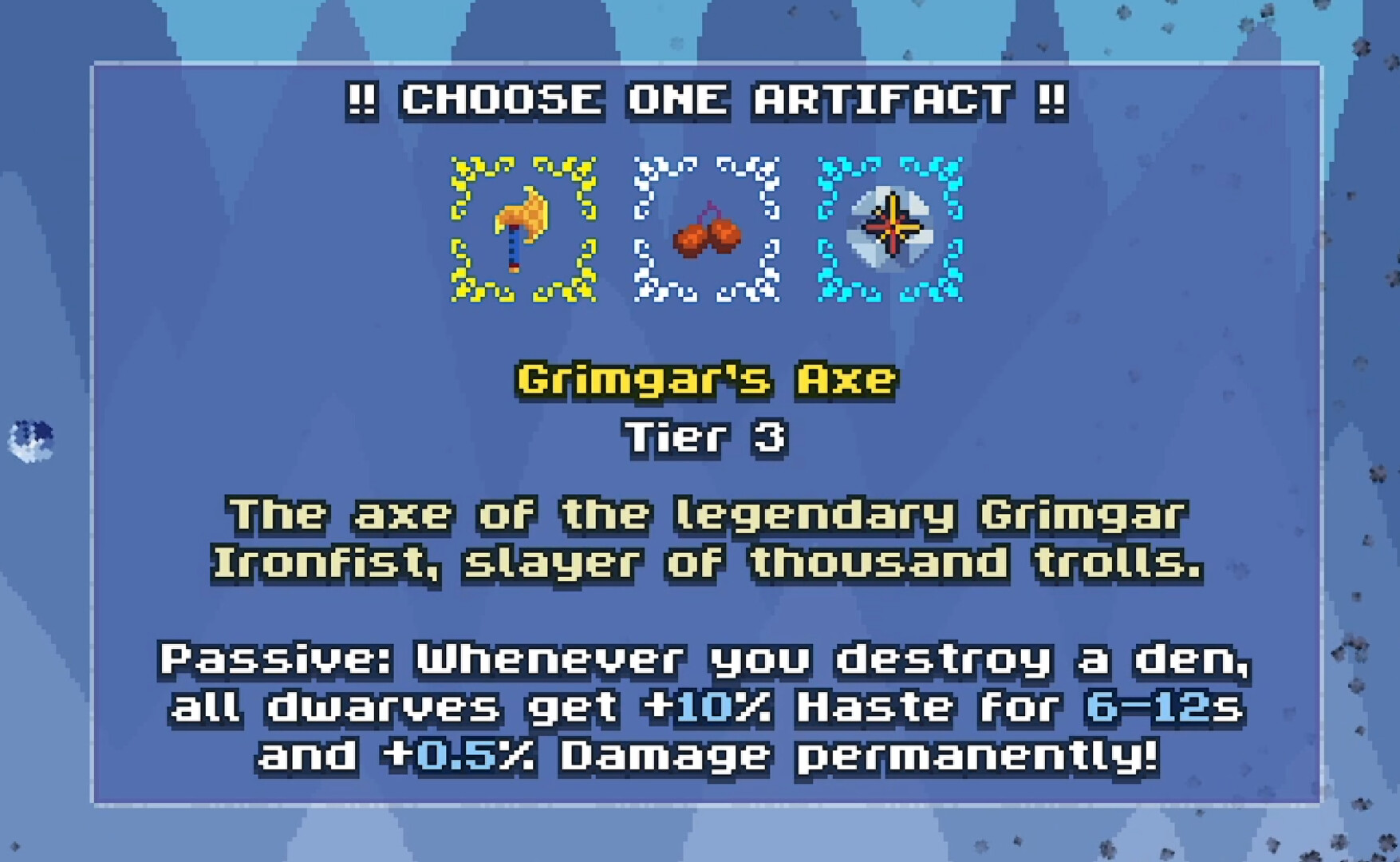
What makes the game stick are the build-shaping toys. There are 120+ artifacts to collect, dozens of building types and 96+ prestige upgrades that meaningfully change how a run plays out. Artifacts shift strategies — one run I focused on flamers and runesmiths and watched a flamethrower combo turn into a money furnace, another run went hyper-mobile with gyrocopters and bulldozers. The prestige system is satisfyingly generous: you speed up future runs and unlock new ways to chain effects, which keeps the loop fresh even after many hours. Runes, mithril and mountain souls turn the late game into a series of tough but rewarding choices: spend now or hoard for a big late-game pivot?
A Mountain of Personality and Presentation
Visually the game leans into goofy, chunky dwarves and readable UI that keeps the chaos comprehensible. The art is deliberately silly — it helps that the dwarves actually look like they’d argue over beard wax — and animations sell every explosion and runner stumble. Sound design is playful, with satisfying blunts and clangs when a machine lands a hit and a cheeky soundtrack that doesn’t overstay its welcome. Performance has been solid on my Windows rig and community feedback praises quick patches from Green Wizard. Accessibility-wise, there are options to play more idle or go full optimization mode, which is a welcome touch for different playstyles.
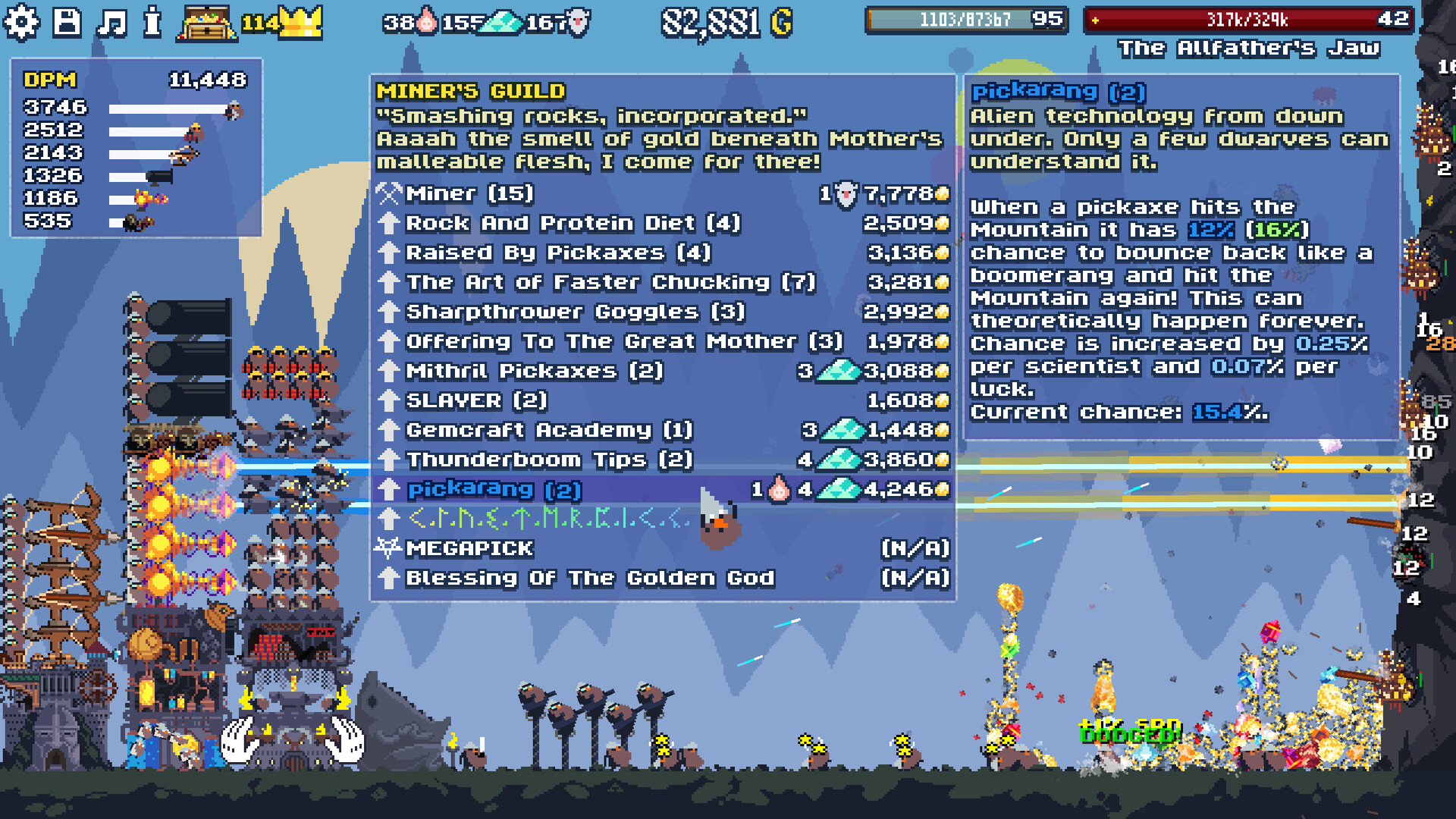
Dwarf Eats Mountain is a love letter to incremental fans who crave personality and experimentation. It’s goofy, rewarding and packed with choices that actually matter; a few rough edges remain, but regular patches and a responsive dev make me optimistic. If you’re into Gnorp-like games or want a low-pressure but deeply satisfying number-simulator, this one’s worth the trip to the maw.
Pros
- Addictive incremental loop with meaningful prestige systems
- Weird, charming dwarf cast and joyful art direction
- Lots of content: 120+ artifacts, many buildings and upgrades
- Can be played actively or more idly without fake mechanics
Cons
- Demo to full-save transfer issues reported by some players
- Some dwarf behavior edge-cases (carry/maw interactions) feel fiddly
- Occasional UI wording confusion (e.g. 'total gold' ambiguity)
Player Opinion
Players consistently praise the game’s addictive progression and personality. The demo hooked many people for dozens of hours, and the main release keeps that momentum with more artifacts, prestige tiers, and balance tweaks — many reviews call it a contender to Gnorp and other gnorplikes. The community also loves the developer’s responsiveness and the lack of microtransactions. Criticisms are mostly practical: some players reported that their demo save didn’t carry over to the full release, which dented early motivation, and a few noted annoying dwarf behaviors (like odd carrying logic after explosions). Overall the sentiment is overwhelmingly positive: if you enjoy incremental games with goofy charm and deep synergies, this one is highly recommended.