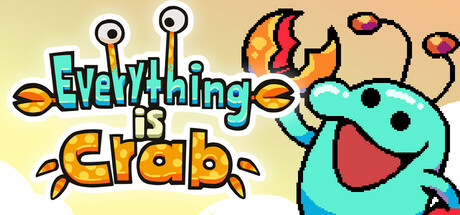






Everything is Crab: The Animal Evolution Roguelite Review – A Cute, Chaotic Creature Builder
I spent hours turning blobs into tentacled nightmares and tiny crab overlords. Everything is Crab blends creature‑building, roguelite loops and a living ecosystem into surprisingly deep, silly fun.
Everything is Crab arrives like a love letter to anyone who once messed around in Spore and later fell for modern roguelites. It’s silly, surprising and, crucially, addictive: each run starts as a tiny blob and can end as a six‑legged, winged monstrosity that somehow still looks adorable. The living ecosystem—day/night cycles, roaming alphas and biome events—gives each session stakes, while the evolution pool (over 125 abilities) offers real choices. I found myself smiling at my abominations and swearing at night‑time ambushes in the same breath.
Building Your Little (or Huge) Abomination
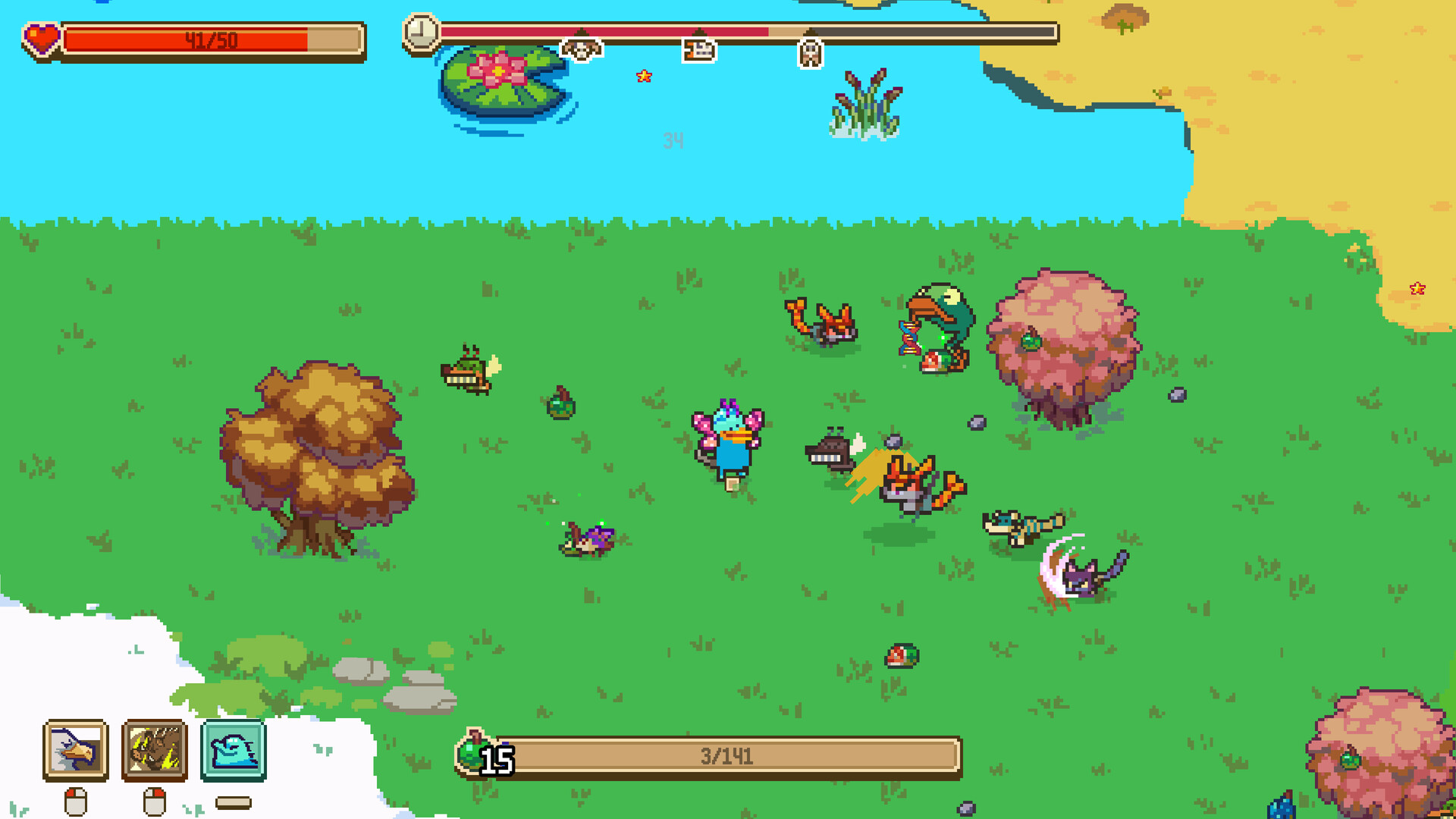
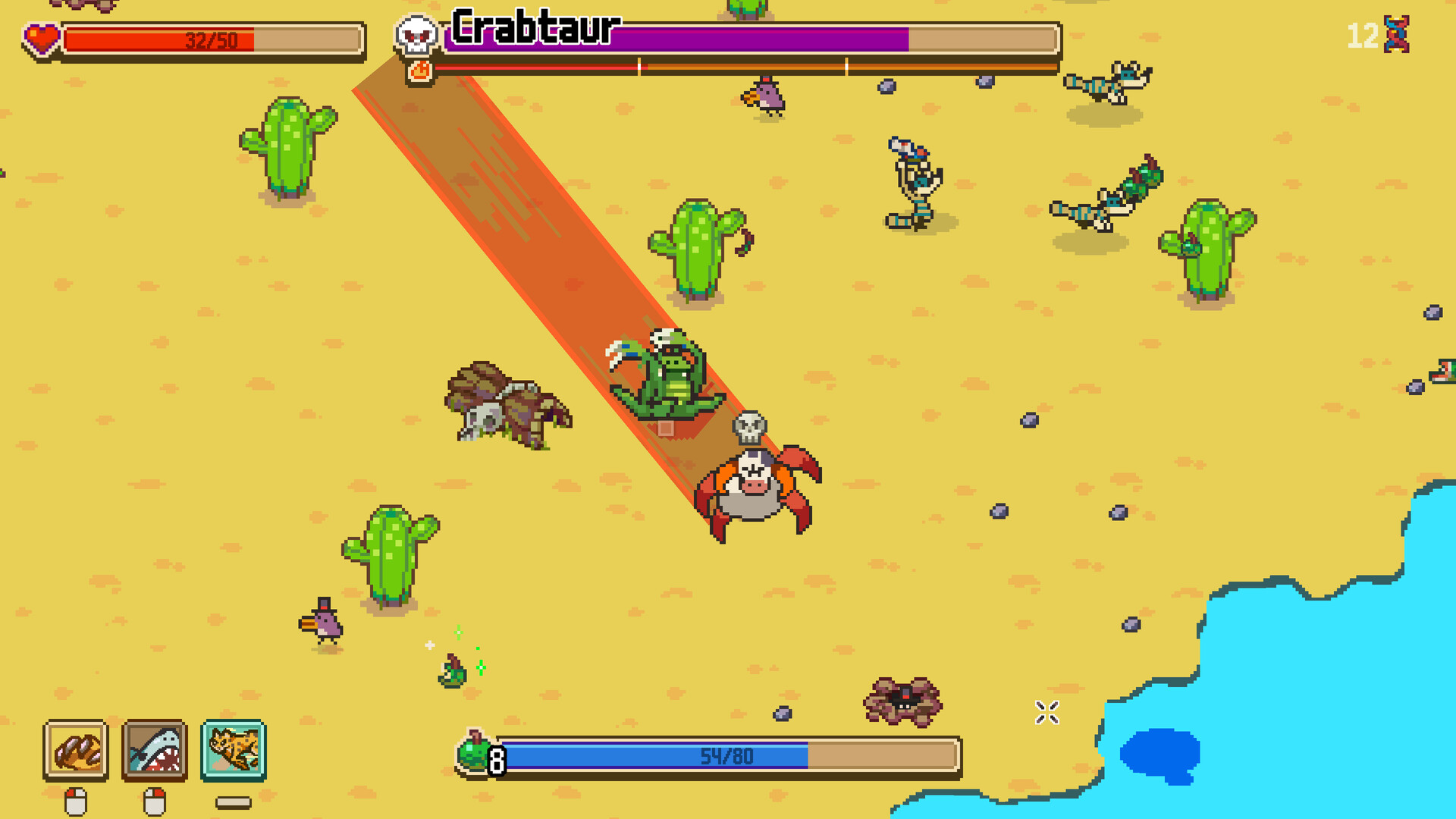
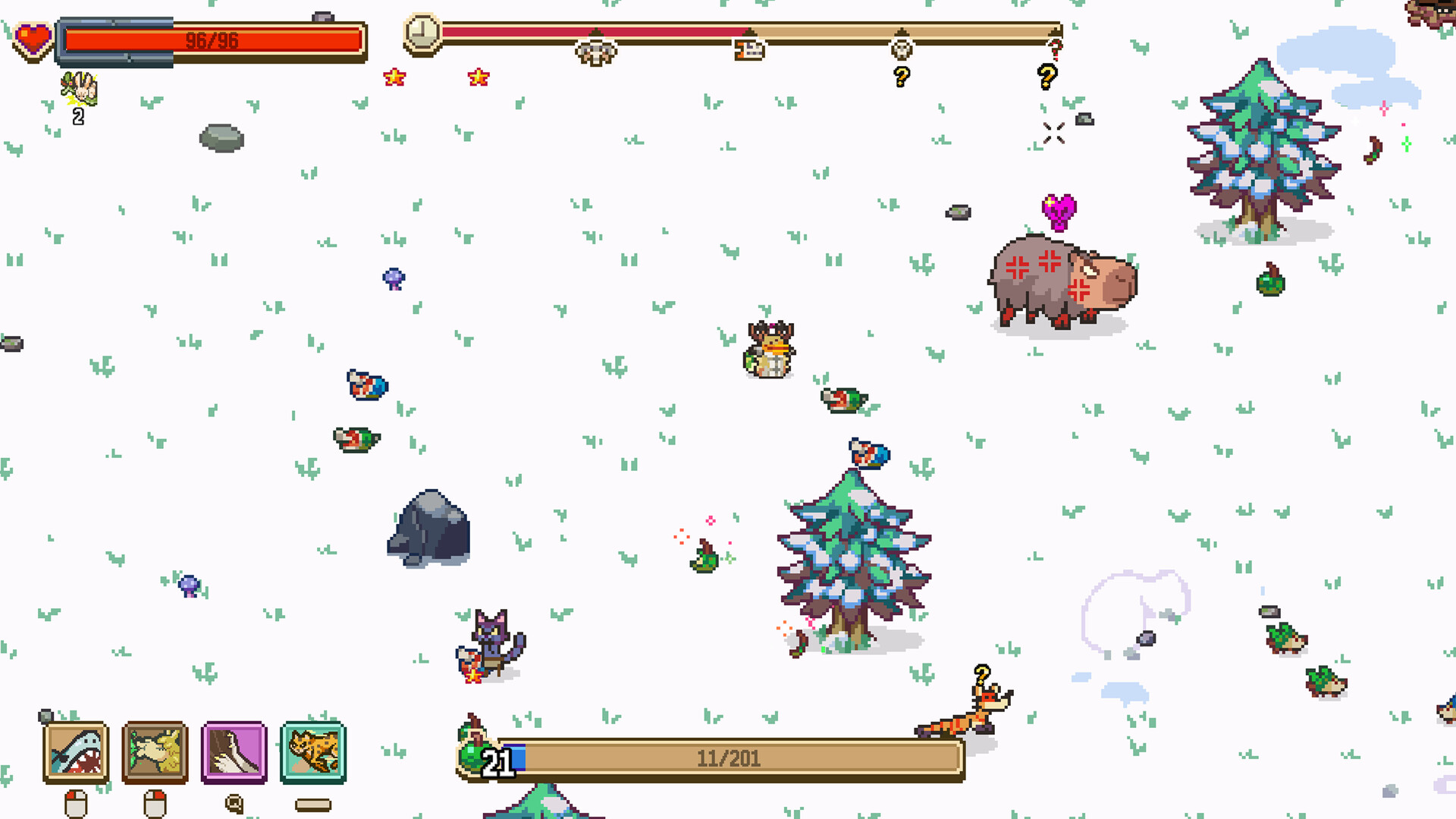
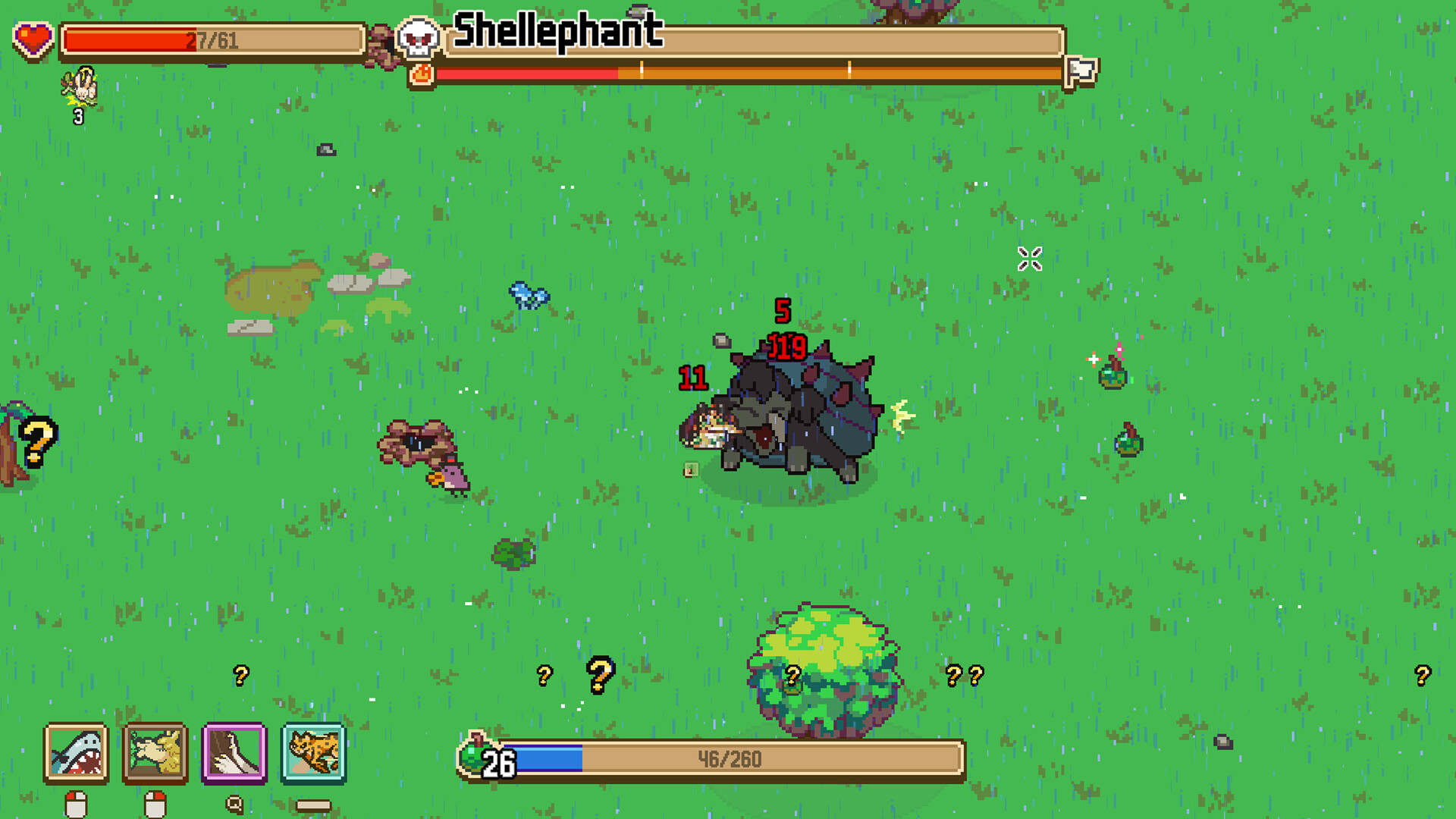
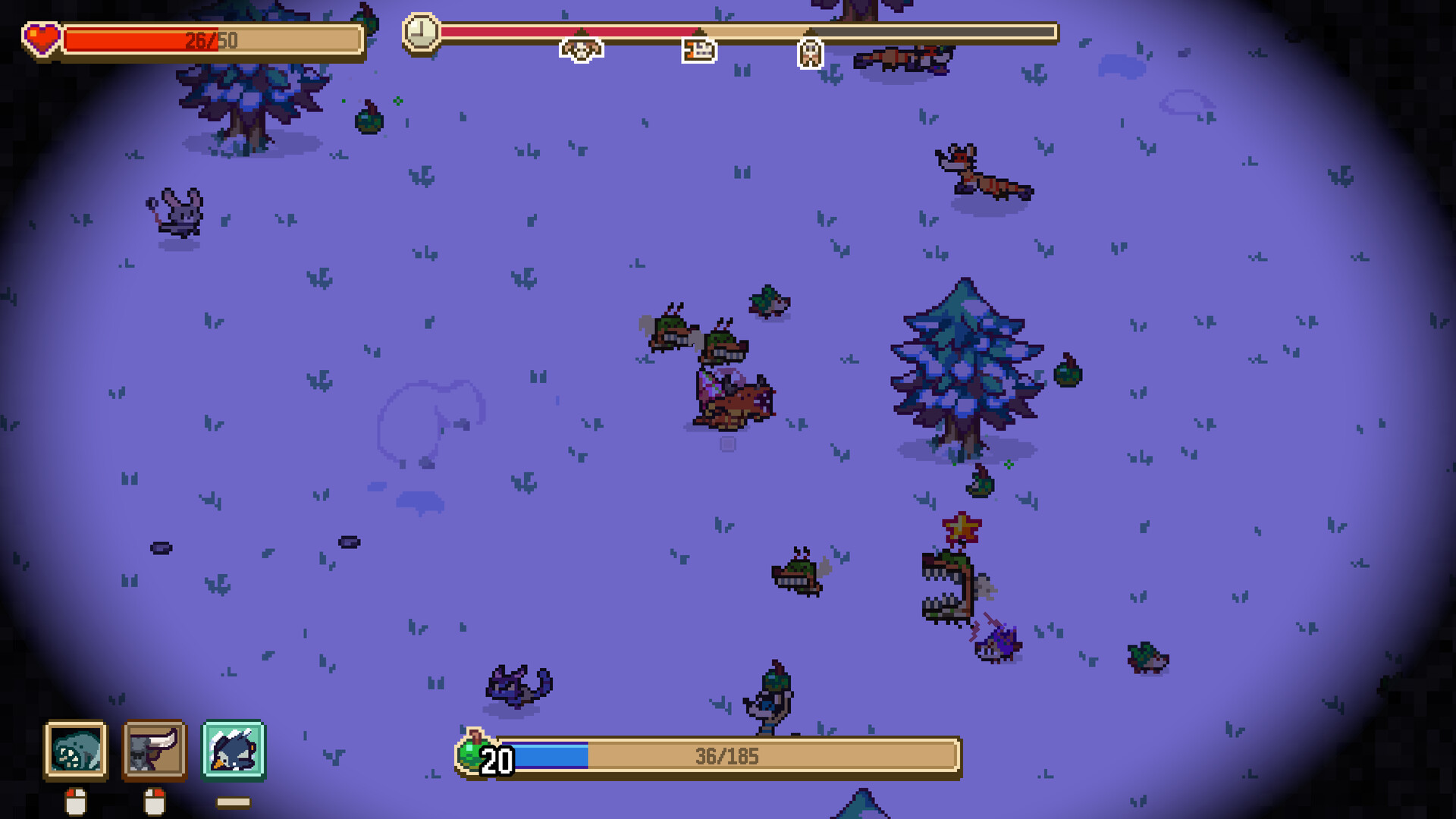
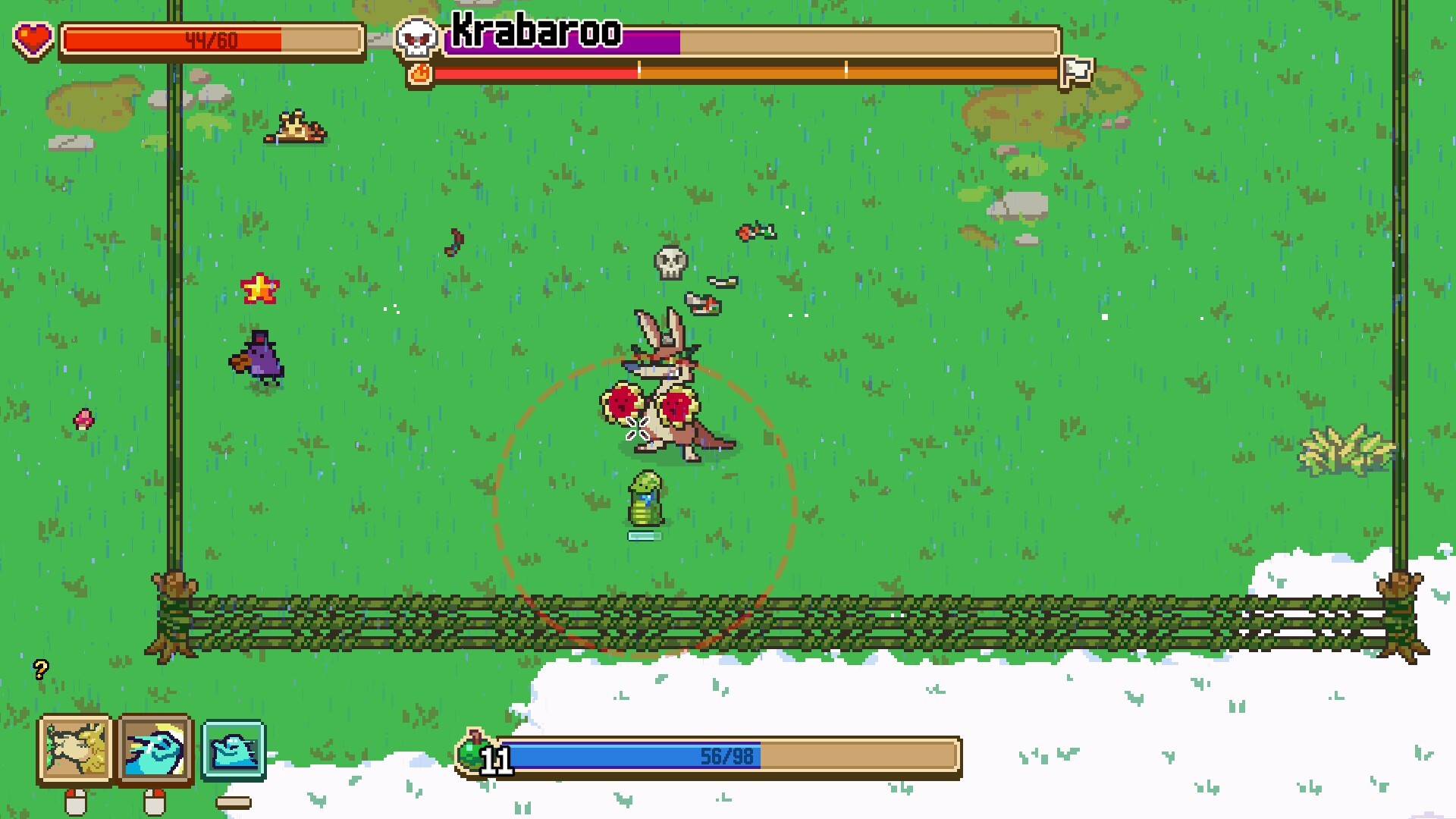
The core loop is gloriously simple and instantly rewarding: you scuttle around, eat biomass, pick evolutions and try not to get Darwin’d. Each run gives you genetic options—legs, claws, eyes on stalks, wings, spikes—and every choice changes both gameplay and visuals. Combat leans on a small set of active abilities (two attacks and a movement or utility) that come with cooldowns, so timing matters more than mindless spamming. Foraging, sneaky social builds that charm other critters, and pure predator rampages are all viable; I personally toggled between a pack‑leader summoner and a disgusting brute depending on the genes I found. Difficulty ramps with biomes and alpha enemies; nights are legitimately chaotic and force you to adapt or die. Runs are short enough (often ~20 minutes) to be snackable but with enough depth that a single success felt immensely satisfying.
When Evolution Gives You Tentacles (and Choices)
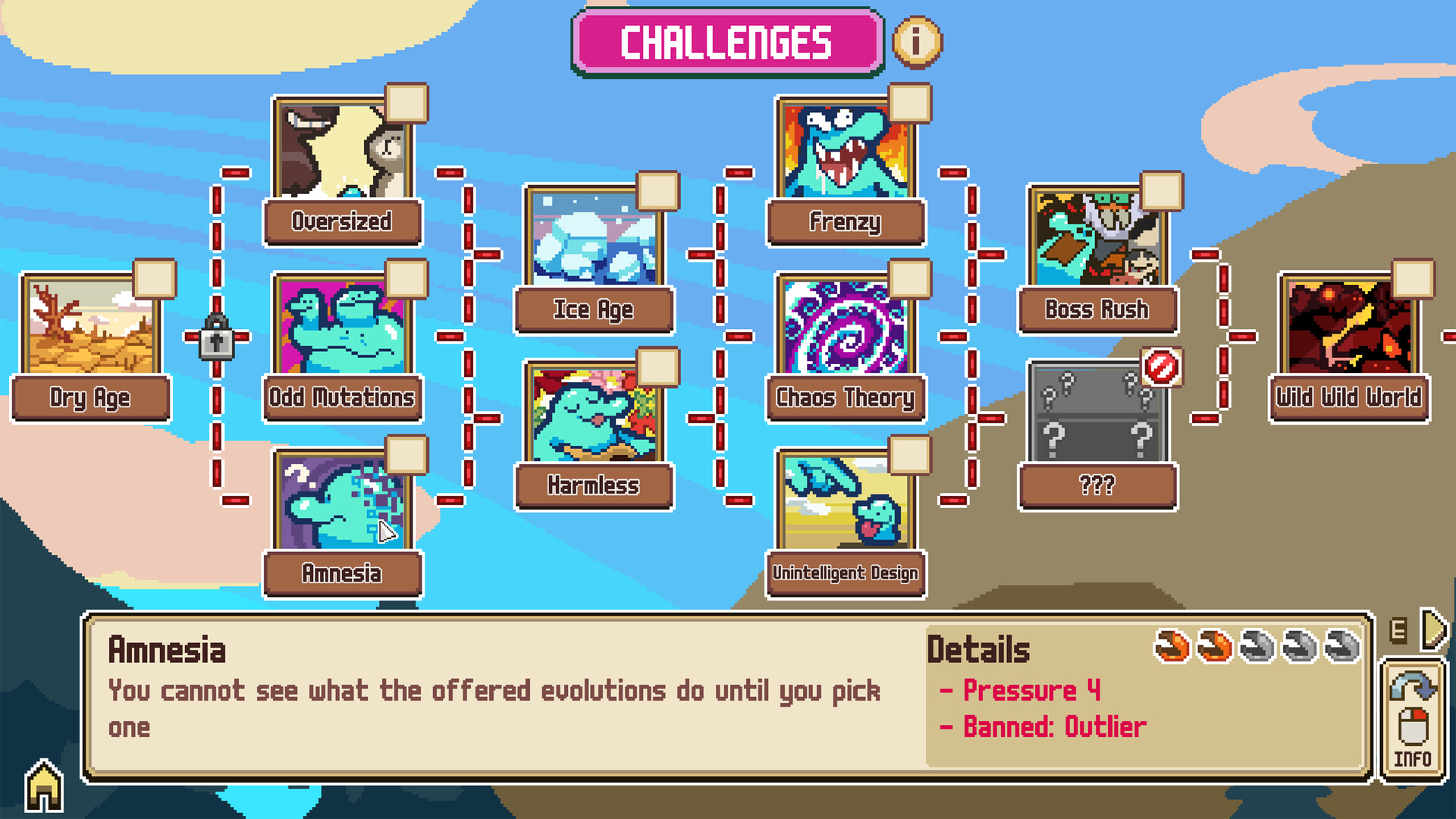
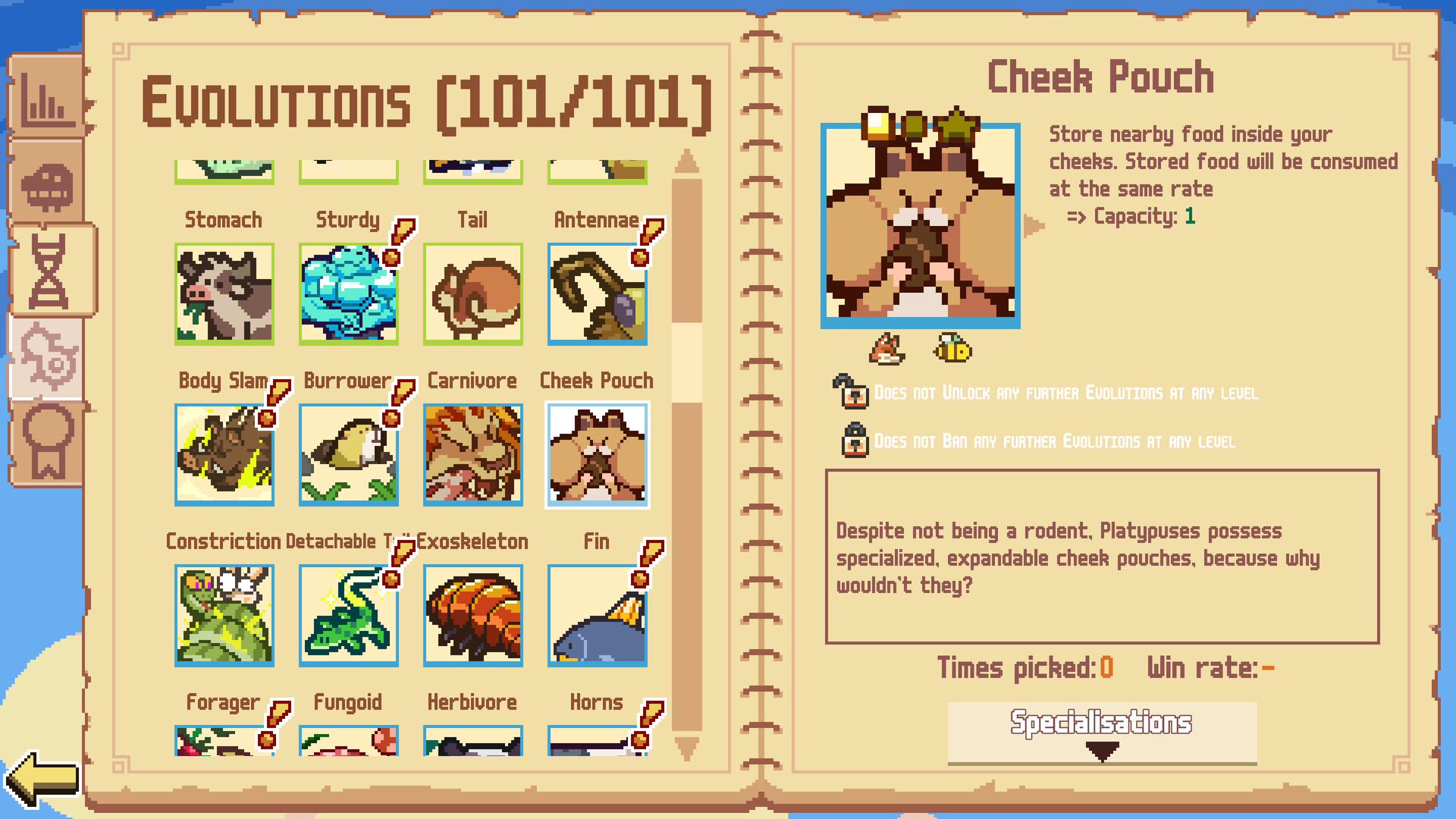
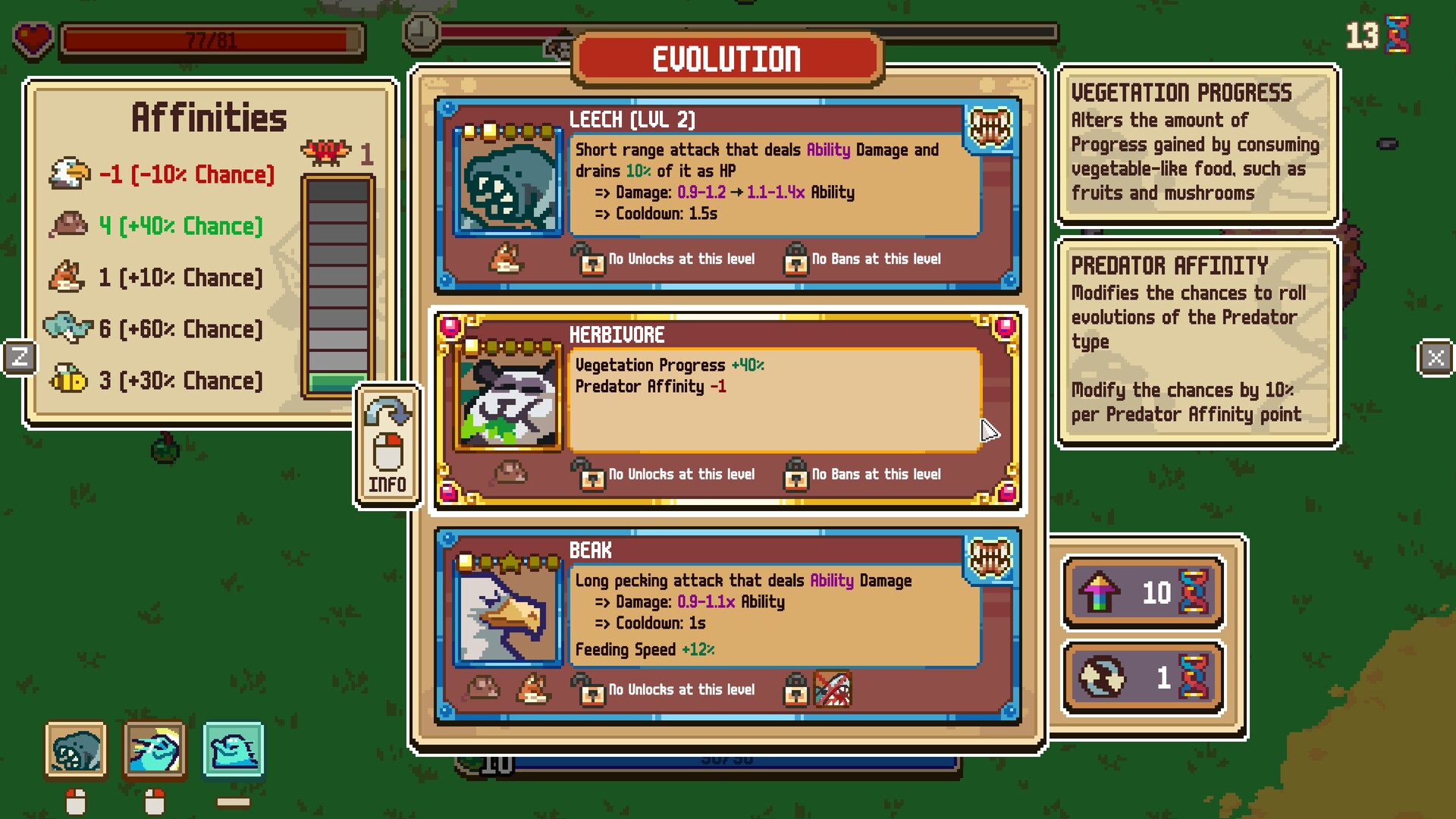
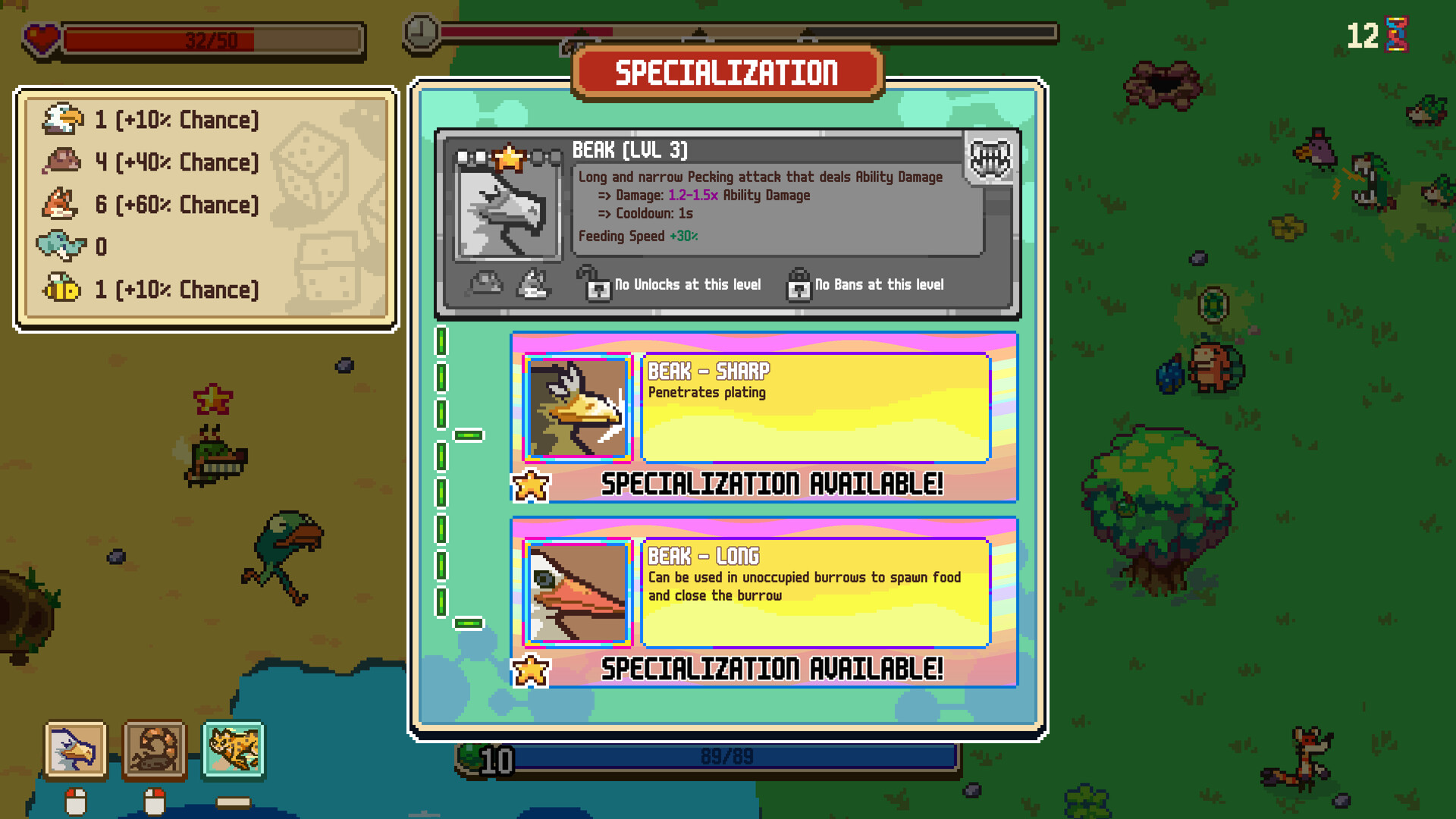
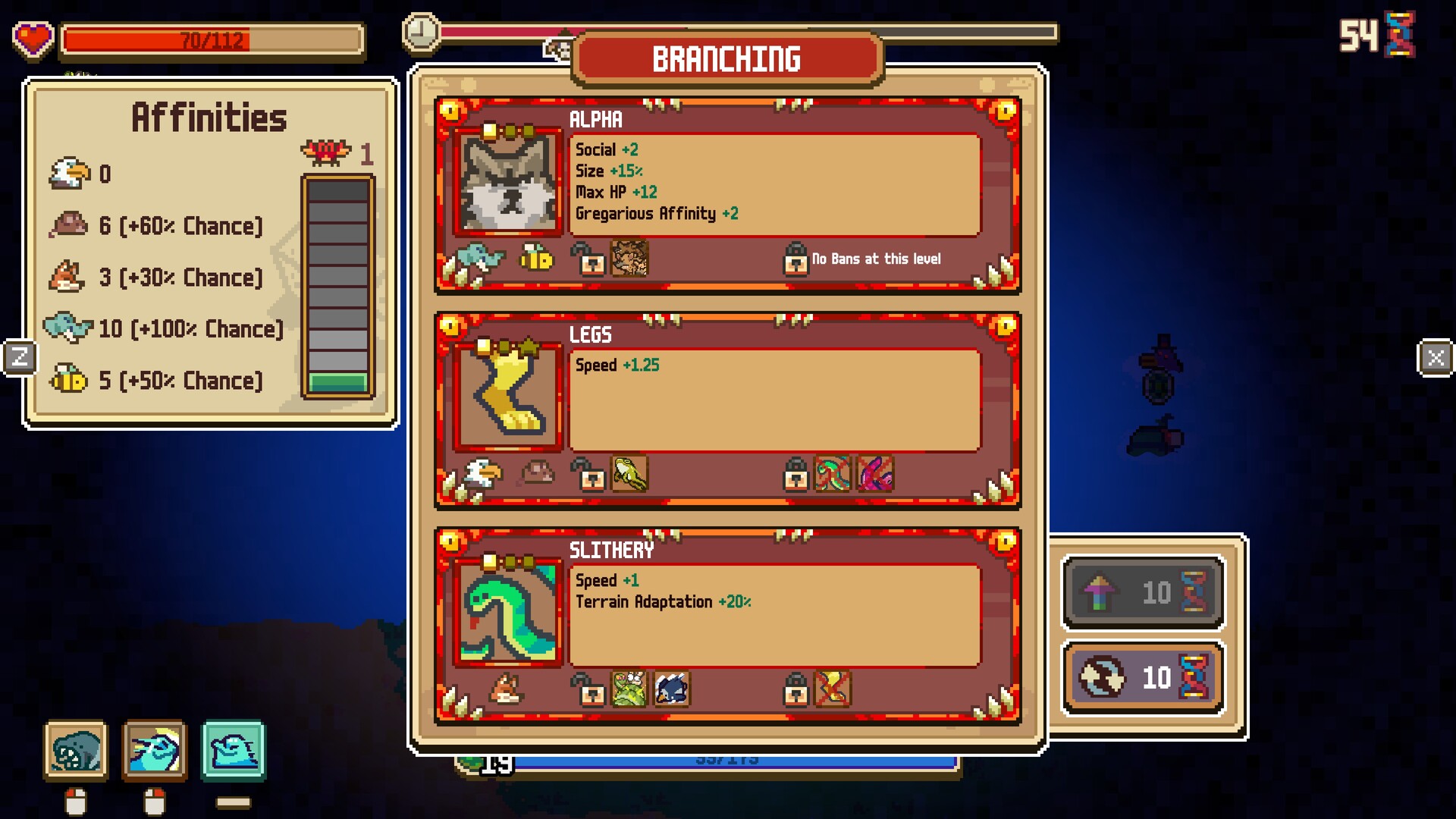
What sets Everything is Crab apart is how evolution works as both mechanical and visual feedback. Over 125 abilities and dozens of mutations combine into huge variety: defensive shells, thermoregulation, scent marking to influence social interactions, or straight up more legs because of course you want more legs. The meta systems—genetics as starting kits, a codex, challenge scenarios and a proper progression layer—make long‑term goals meaningful without robbing the runs of immediacy. I loved the way the game biases future drops toward a trait you’ve already picked, meaning you rarely chase random garbage and can actually plan a build mid‑run. Bosses can feel like HP sponges at times, a criticism echoed by some players, but the multiple viable strategies (kiting, summoning, tanking) usually make the fights feel like puzzles rather than chores.
Cute Pixels, Mean Mechanics
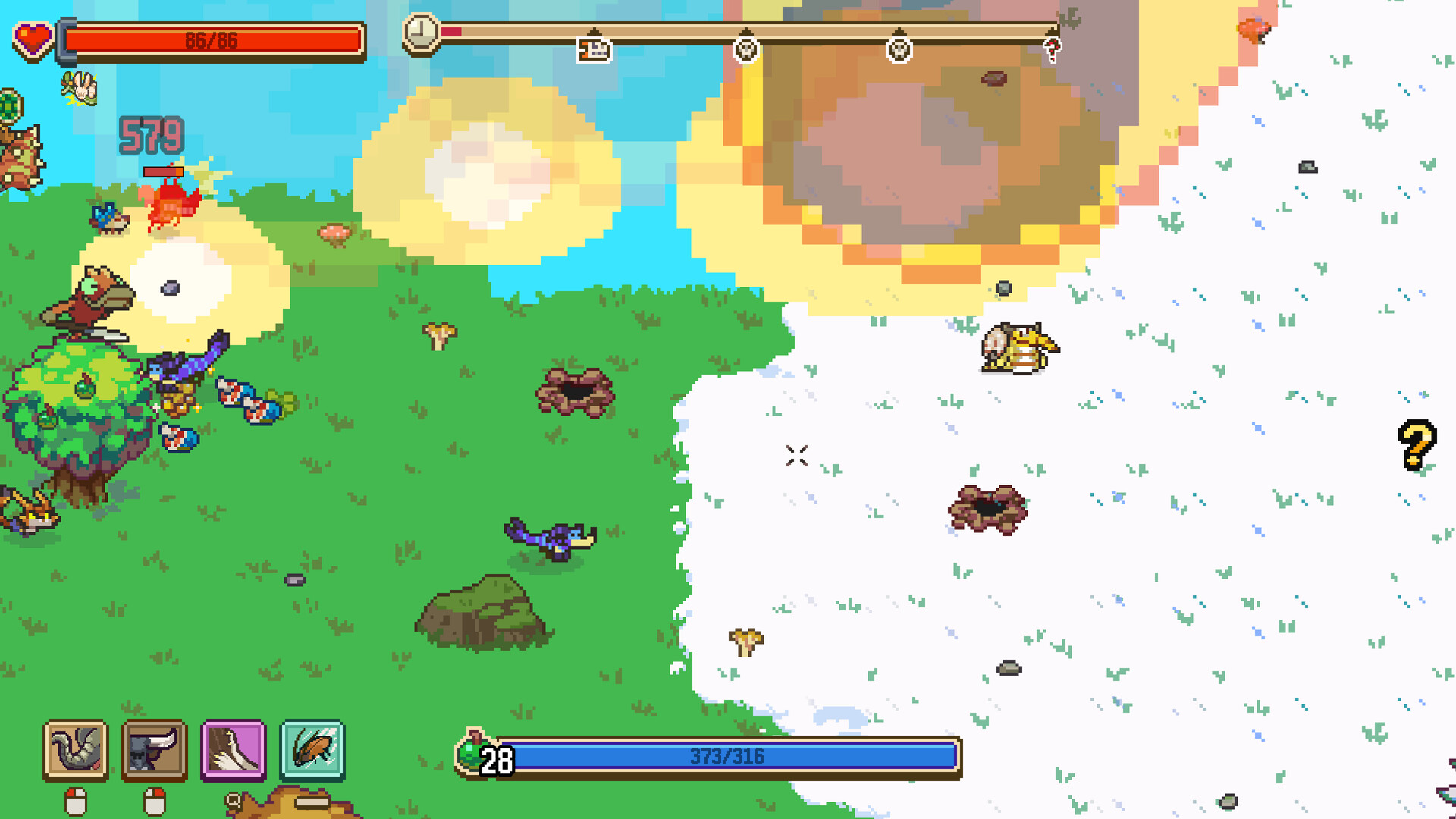
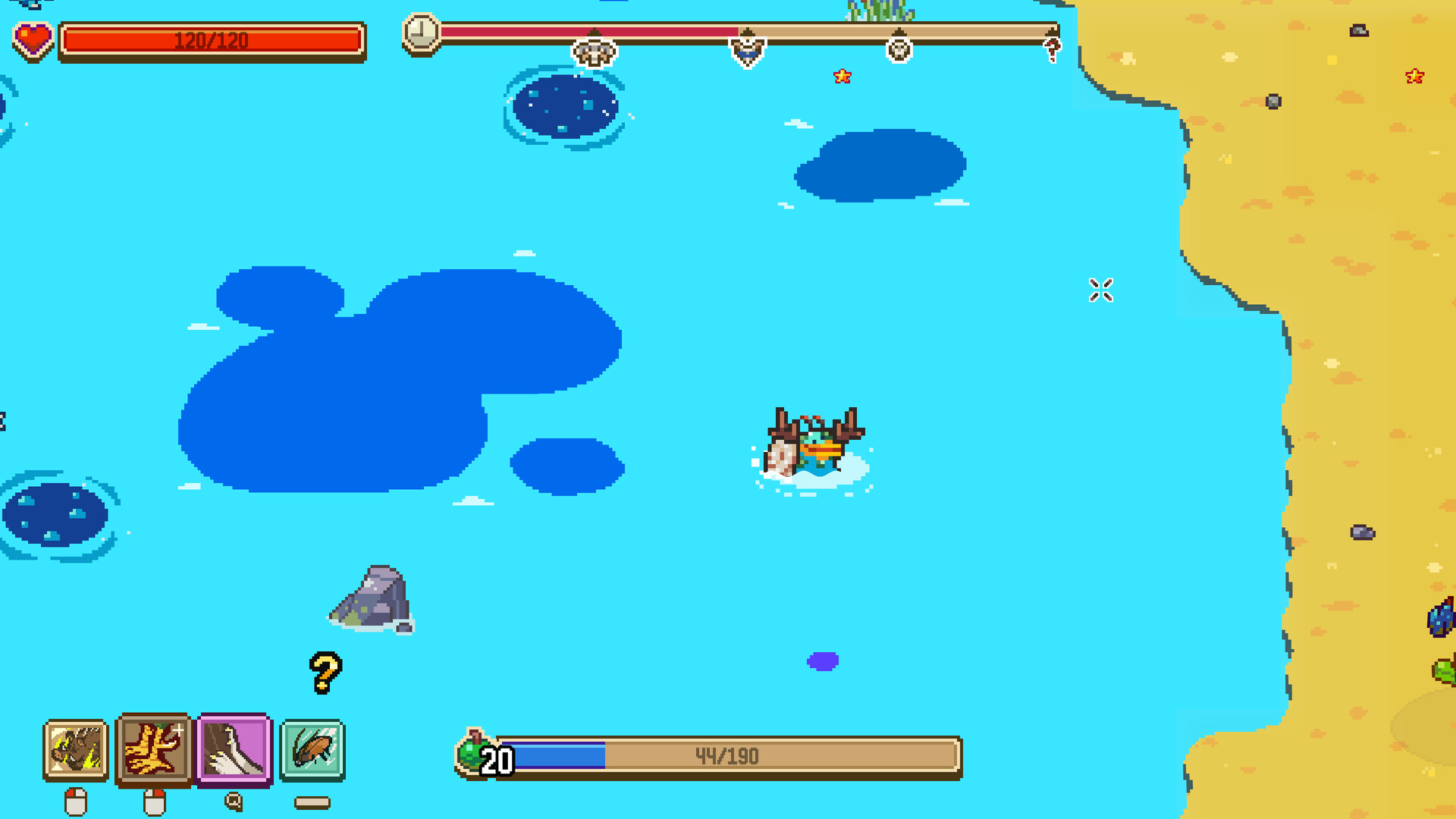
Presentation is a bright spot: the pixel art is charming without being derivative, and your creatures visibly change as you evolve them—there’s joy in seeing horns, extra legs or a ridiculous tail appear. Sound and music lean playful; ambient cues (like night noise) actually help you prepare rather than just being background. Performance on PC is generally solid, though a handful of users reported controller and handheld stutter issues—I didn’t experience major slowdowns on desktop, but the Steam Deck/Rog Ally reports are worth noting for portable players. UI is mostly clear, but a few accessibility niceties—like a high‑contrast cursor or optional damage numbers—would be welcome additions. Overall, the tech supports the design: readable sprites, crisp animations, and the delightful post‑run snapshot GIF feature that neatly captures your creation and stats.
Everything is Crab nails a rare blend: it’s goofy and joyful on the surface, but mechanically thoughtful underneath. I recommend it to roguelite fans who like creature‑building, quick snackable runs, and lots of meta goals—just be mindful if you primarily play on handhelds or controllers. For the price and the creative payoff, I had a blast and expect to keep returning for dozens more weird, wonderful runs.
Pros
- Huge creature variety with meaningful visual feedback
- Accessible roguelite loop that still rewards planning
- Charming pixel art, playful sound and the snapshot GIF feature
- Strong meta progression and fun challenge modes
Cons
- Some bosses feel like HP sponges
- Controller/handheld optimization issues reported by players
- Could use more NPC diversity and UI accessibility options
Player Opinion
Players consistently praise the game's creature building and charm—the pixel art and the way evolutions visibly change your critter came up in nearly every review I read. Many long‑time demo players bought the launch immediately and highlighted how addicitve the runs are and how satisfying the snapshot GIFs feel as a collector's memento. Criticisms tend to cluster around a few technical things: a handful of users reported invisible cursors or controller glitches on certain devices, and some feel early difficulties blend together until unlocks come online. Recurrent suggestions include mod support, more enemy/biome variety, and QoL features like always‑visible mushroom names or clearer damage numbers. If you like Spore‑style creativity mixed with Vampire Survivors‑adjacent loopiness, players say you'll likely adore this.