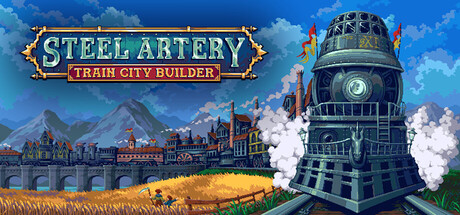






Steel Artery: Train City Builder Review – A Rolling Steampunk Civilization
Steel Artery lets you build an entire city on rails: wagon-by-wagon logistics, autonomous citizens and cultural tensions in a gorgeous steampunk pixel world. Deep, unforgiving and strangely addictive.
I jumped into Steel Artery expecting a quirky train sim and came away with something much bigger: a living, breathing city on rails. SoulAge23 managed to marry hard management mechanics with a whimsical steampunk aesthetic, and the result is a game that punishes sloppy planning but rewards patient systems-thinkers. If you like Majesty’s semi-autonomy or Banished’s punishing economy, this one scratches a similar itch while rolling forward on an original idea.
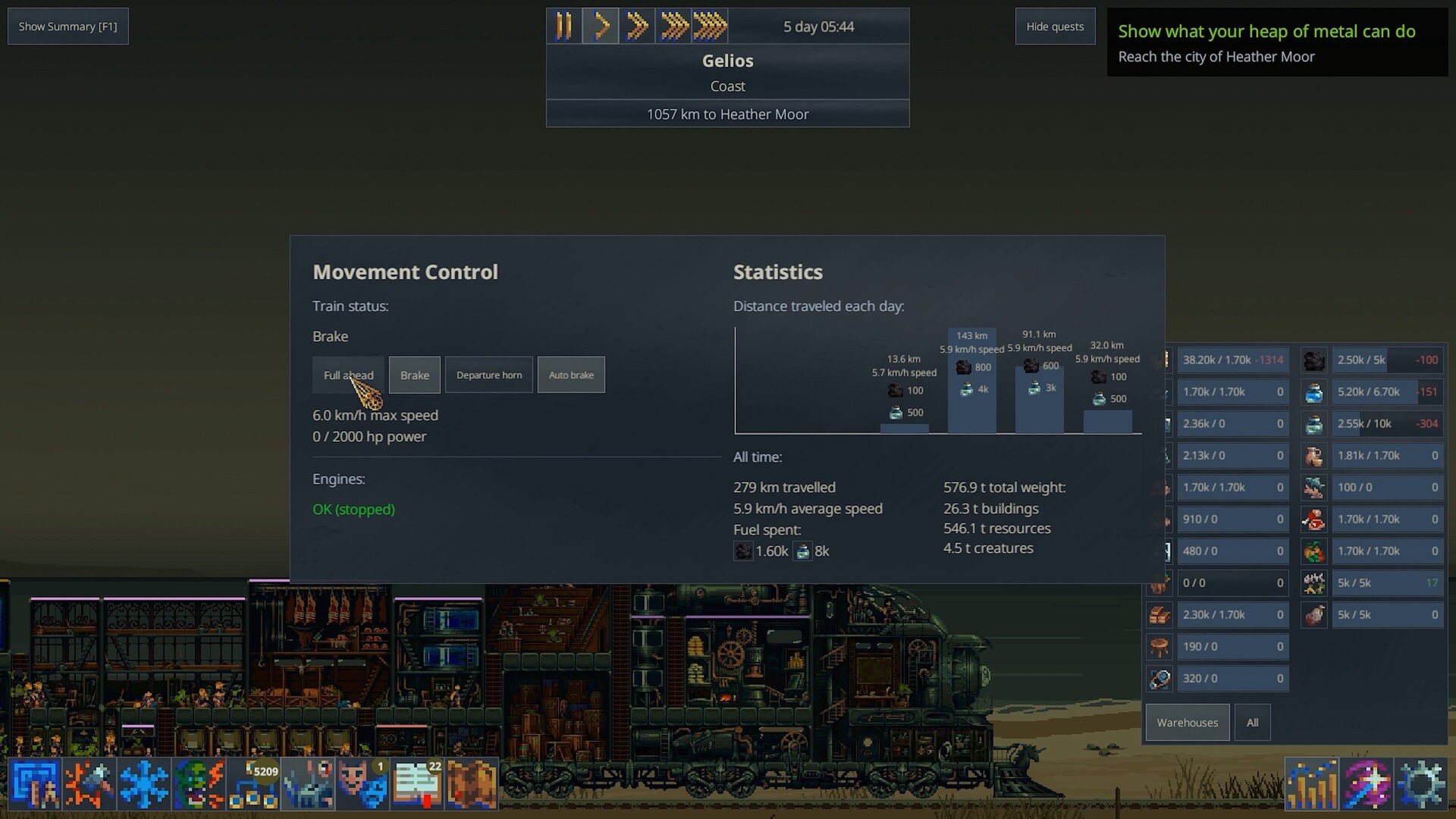
Life Aboard a Rolling Metropolis
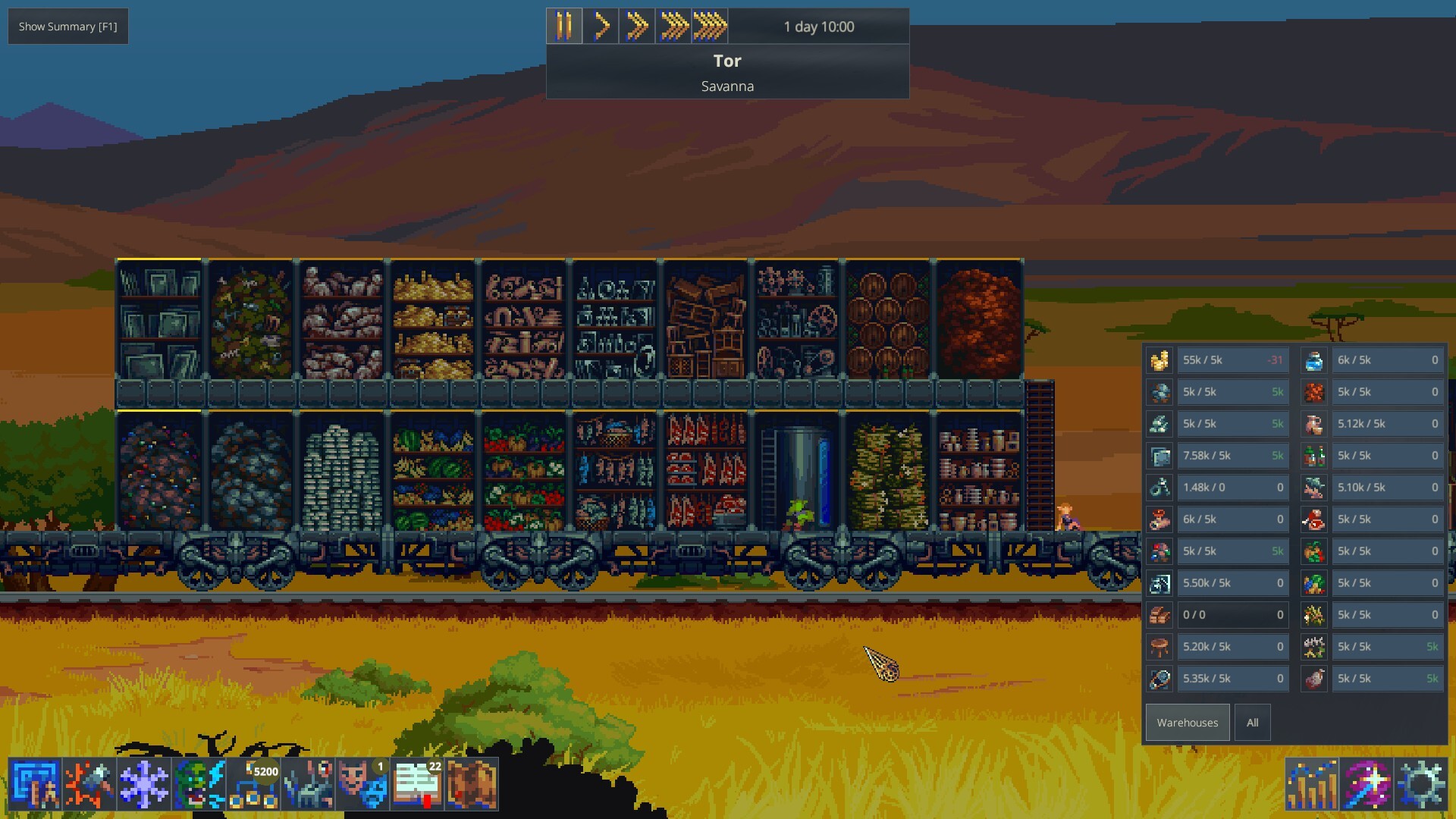
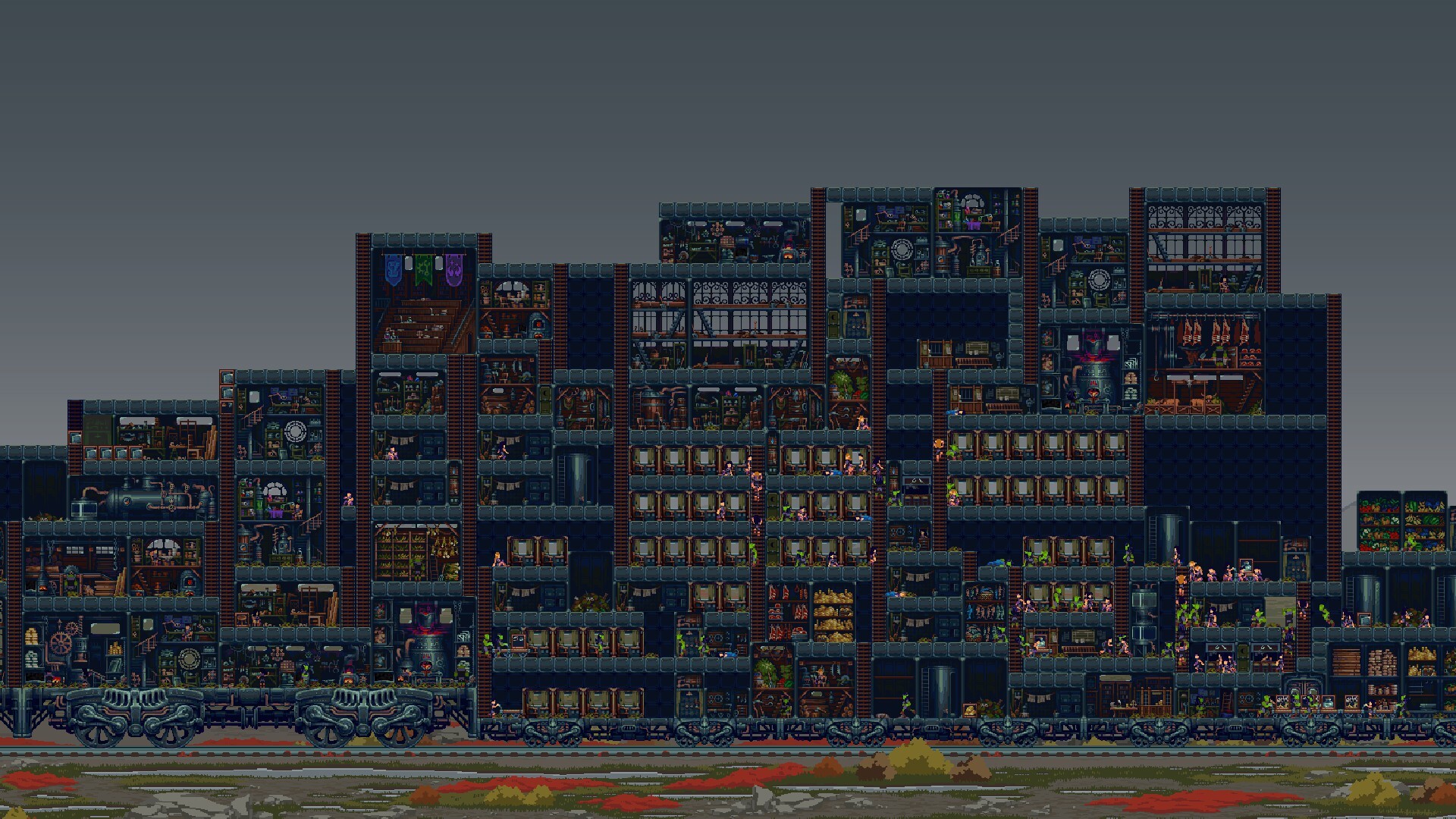
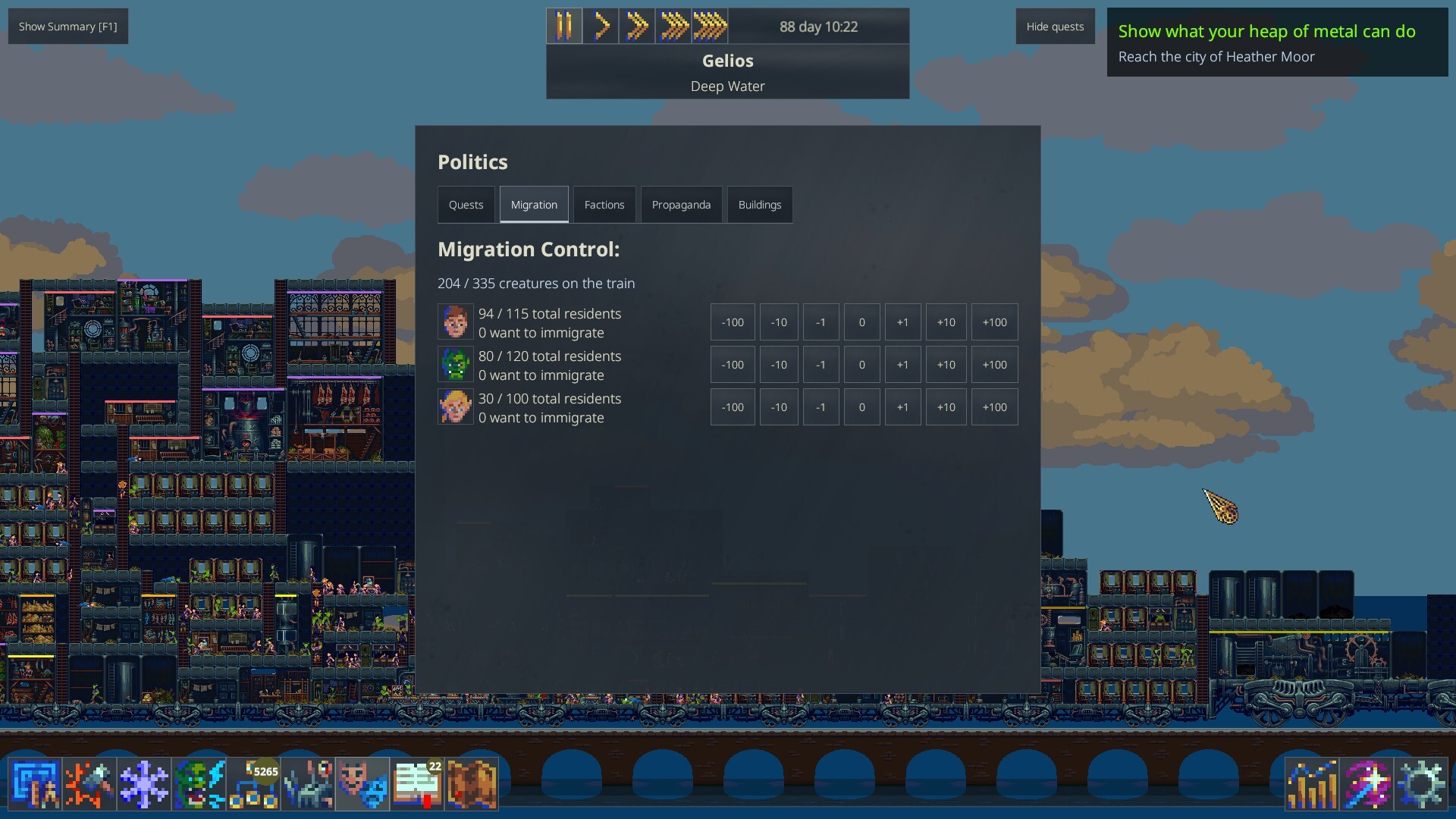
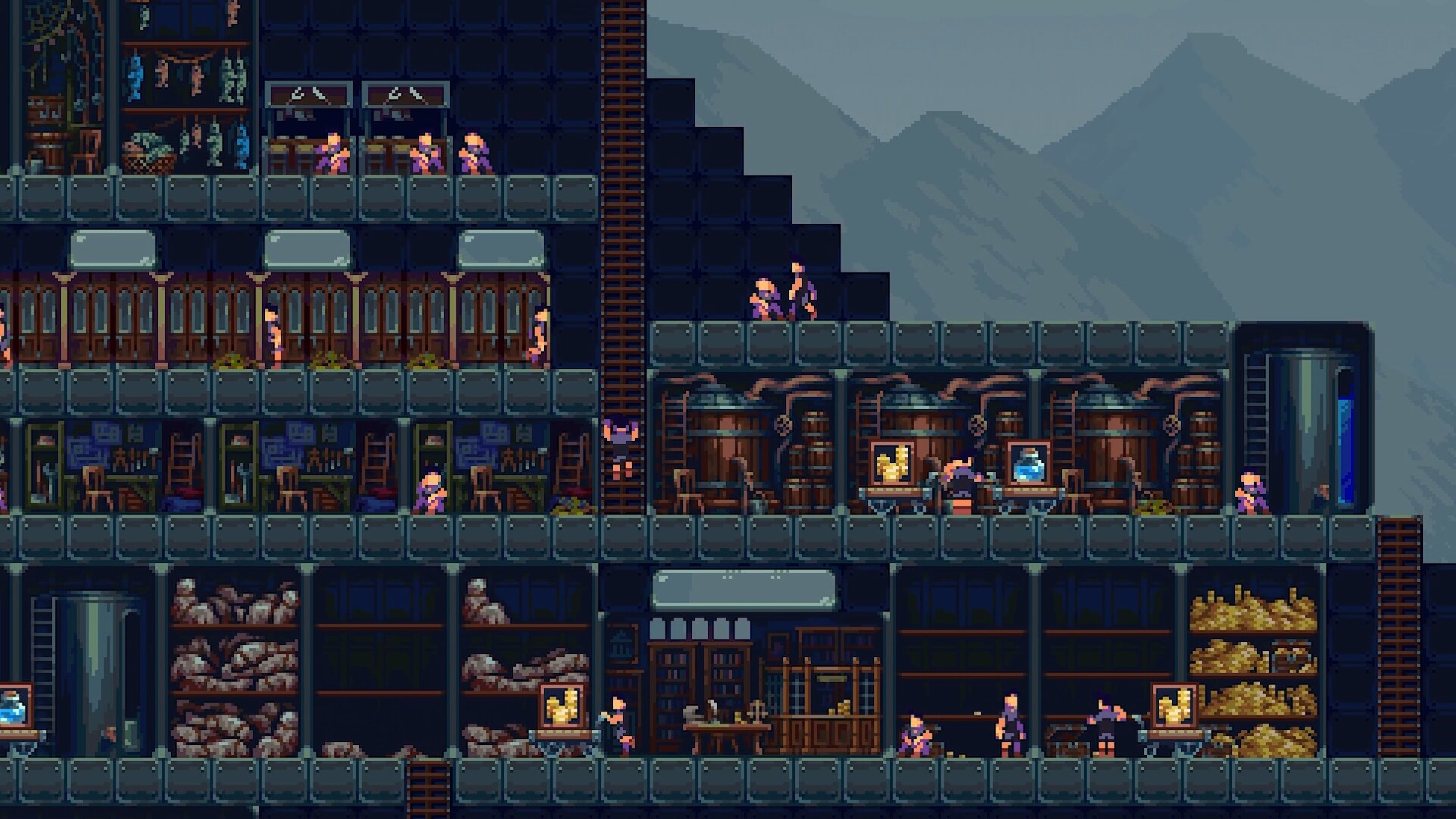
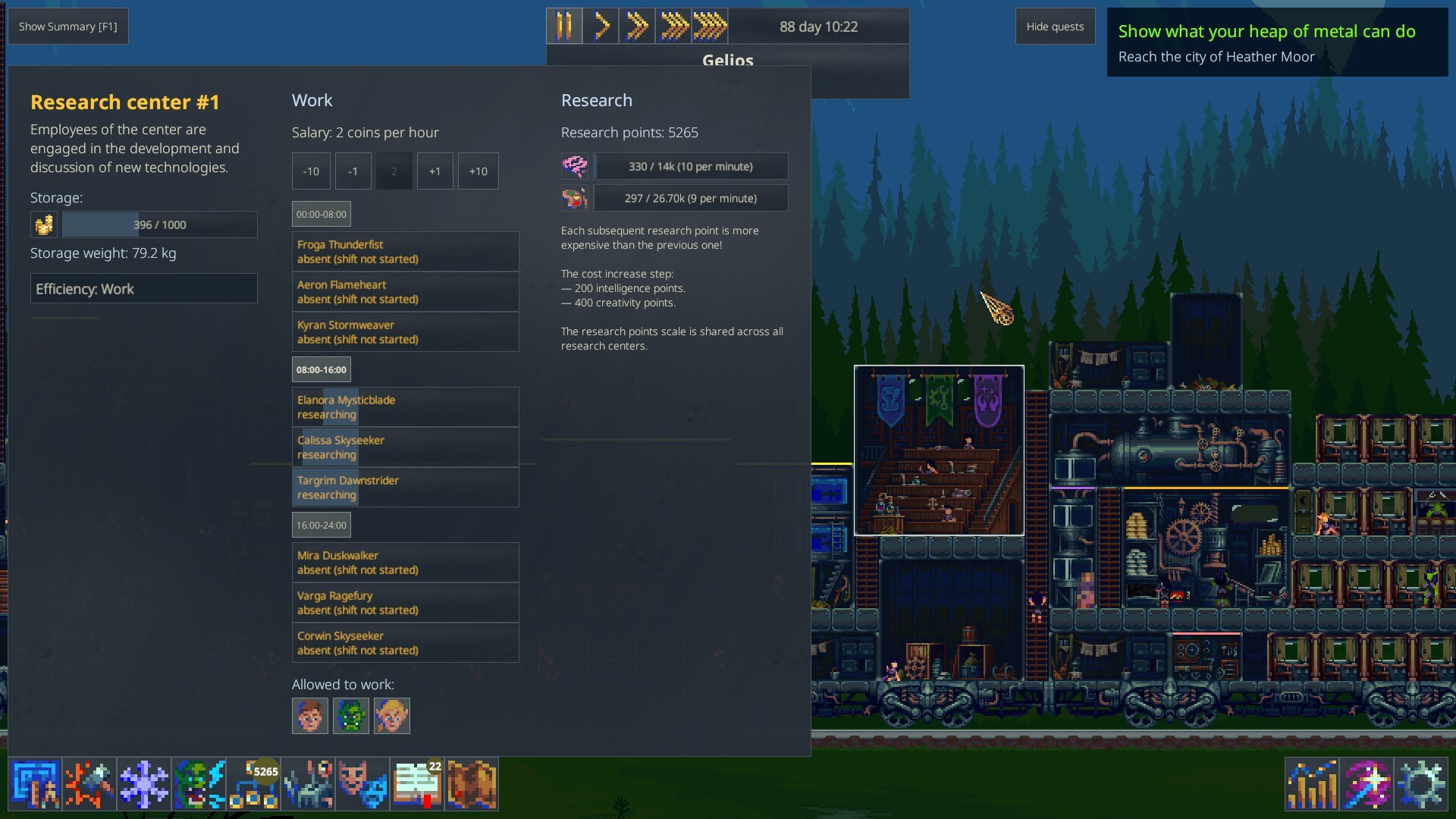
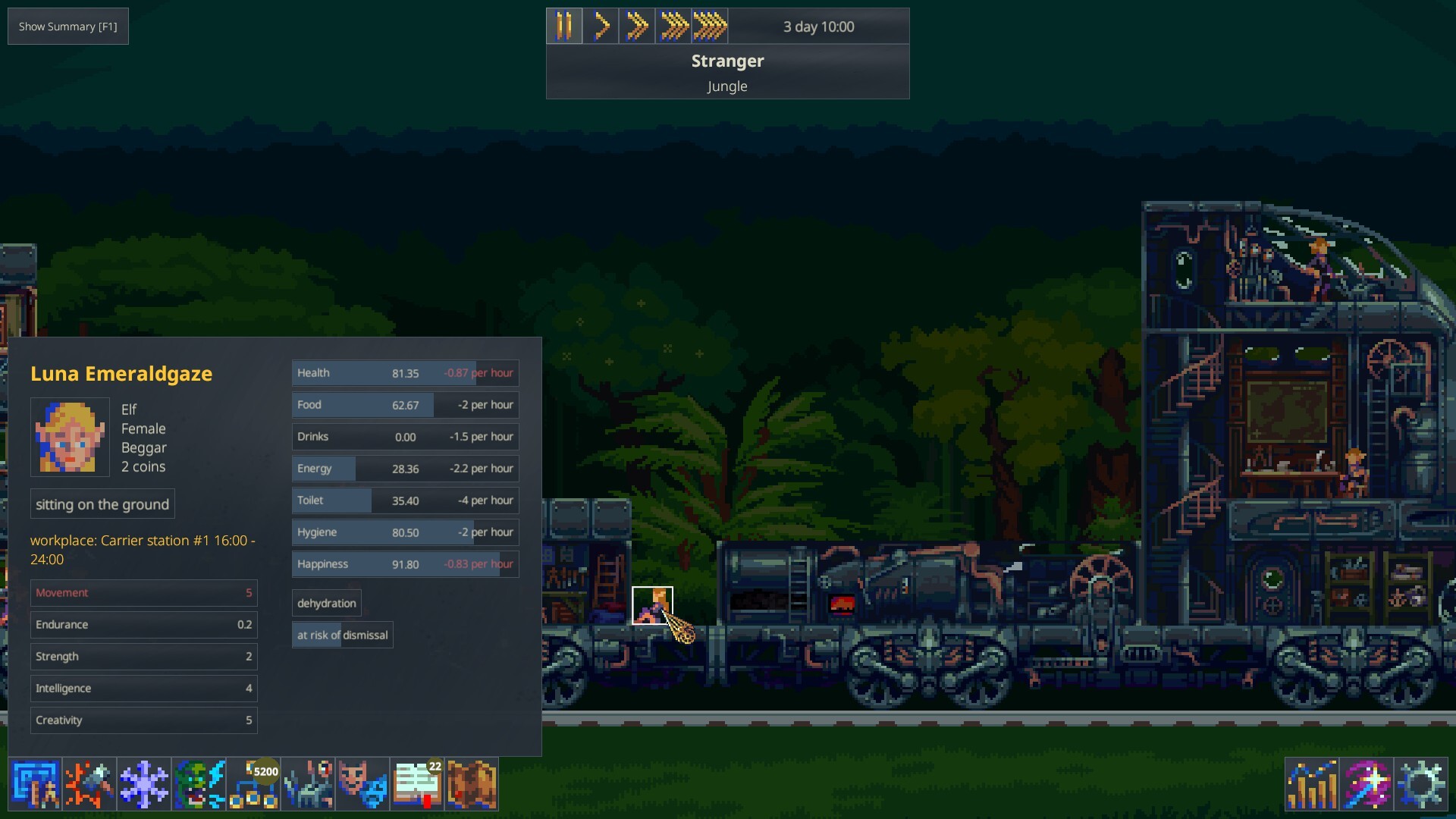
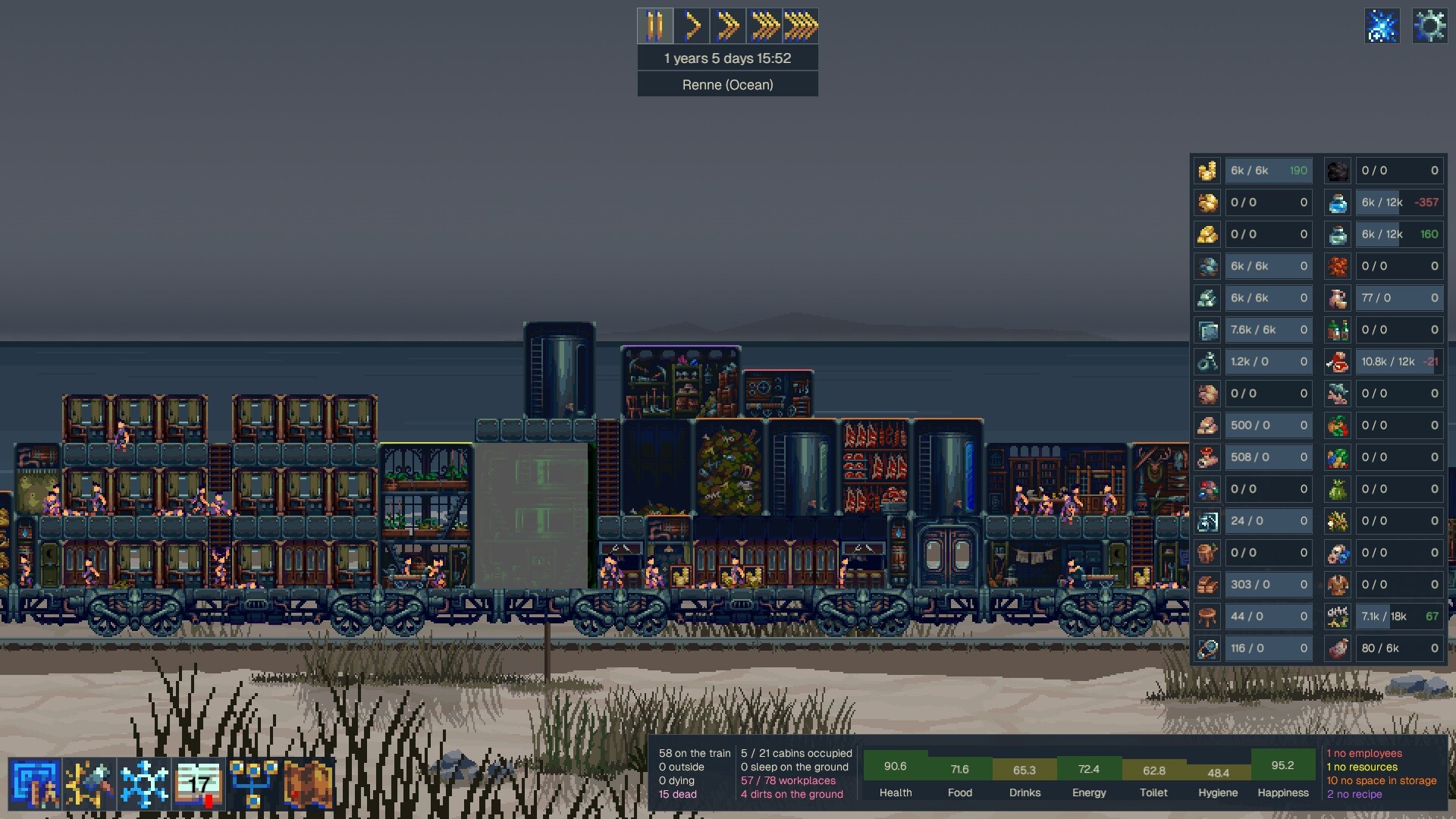
The core loop is gloriously simple to describe and fiendishly complex to master: you build wagons, slot buildings into them, and keep thousands of semi-autonomous citizens alive and productive while the whole contraption moves between regions. Most of my time is spent planning wagon layouts, deciding which workshops, inns or farms share a corridor, and then watching agents — humans, elves, orcs and others — make choices that ripple through the economy. There’s no direct unit control; citizens pick jobs, rest, and spend based on needs and opportunity, which means your role is more mayor than puppet-master. Early runs feel like gentle chaos; a single misrouted carrier or a poorly placed purifier can escalate into a full-blown crisis that takes ages to fix. That tension is the hook: mistakes are often self-inflicted, but recovering feels like a genuine accomplishment.
How the Wheels Turn: Systems That Make It Special
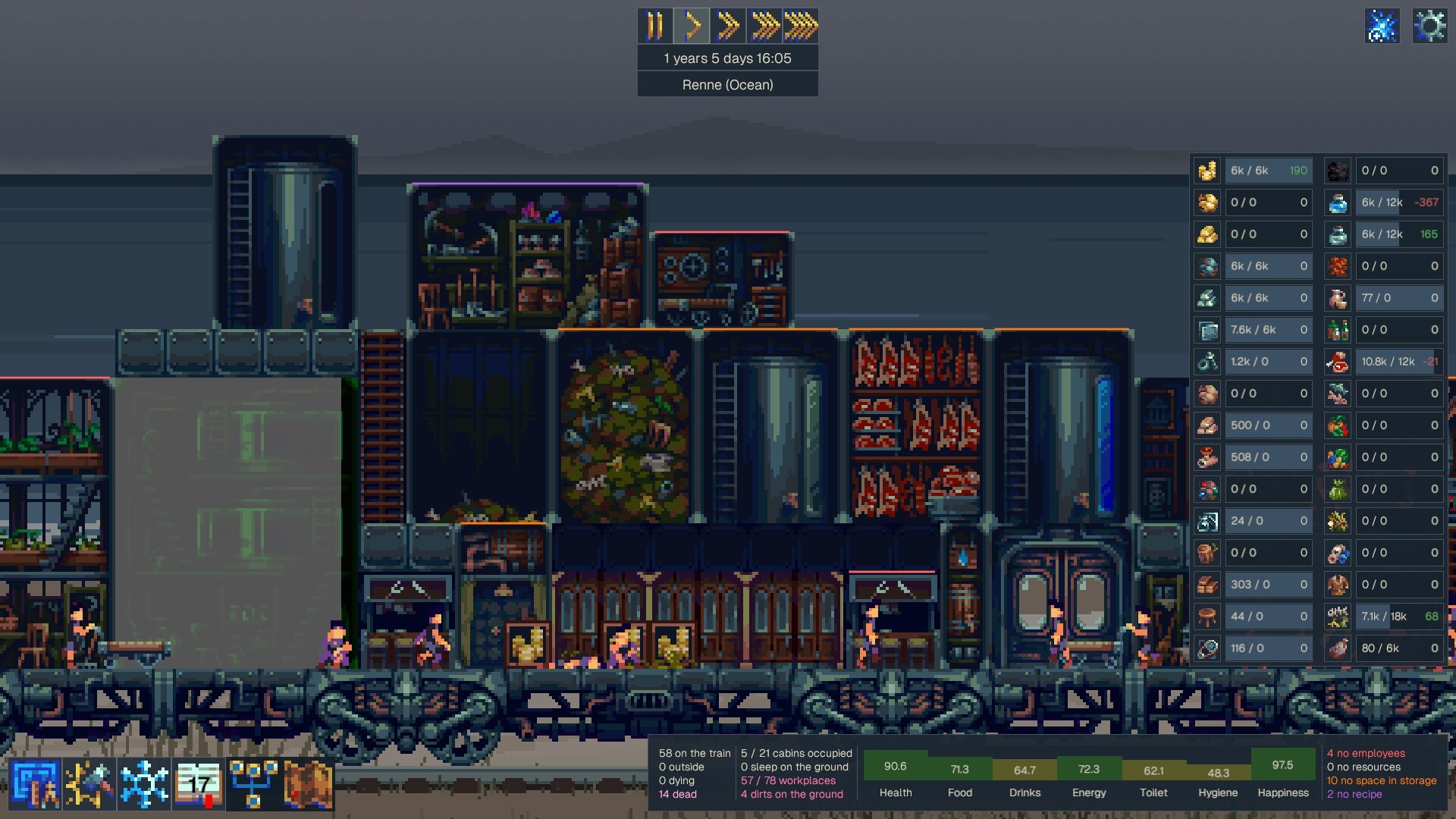
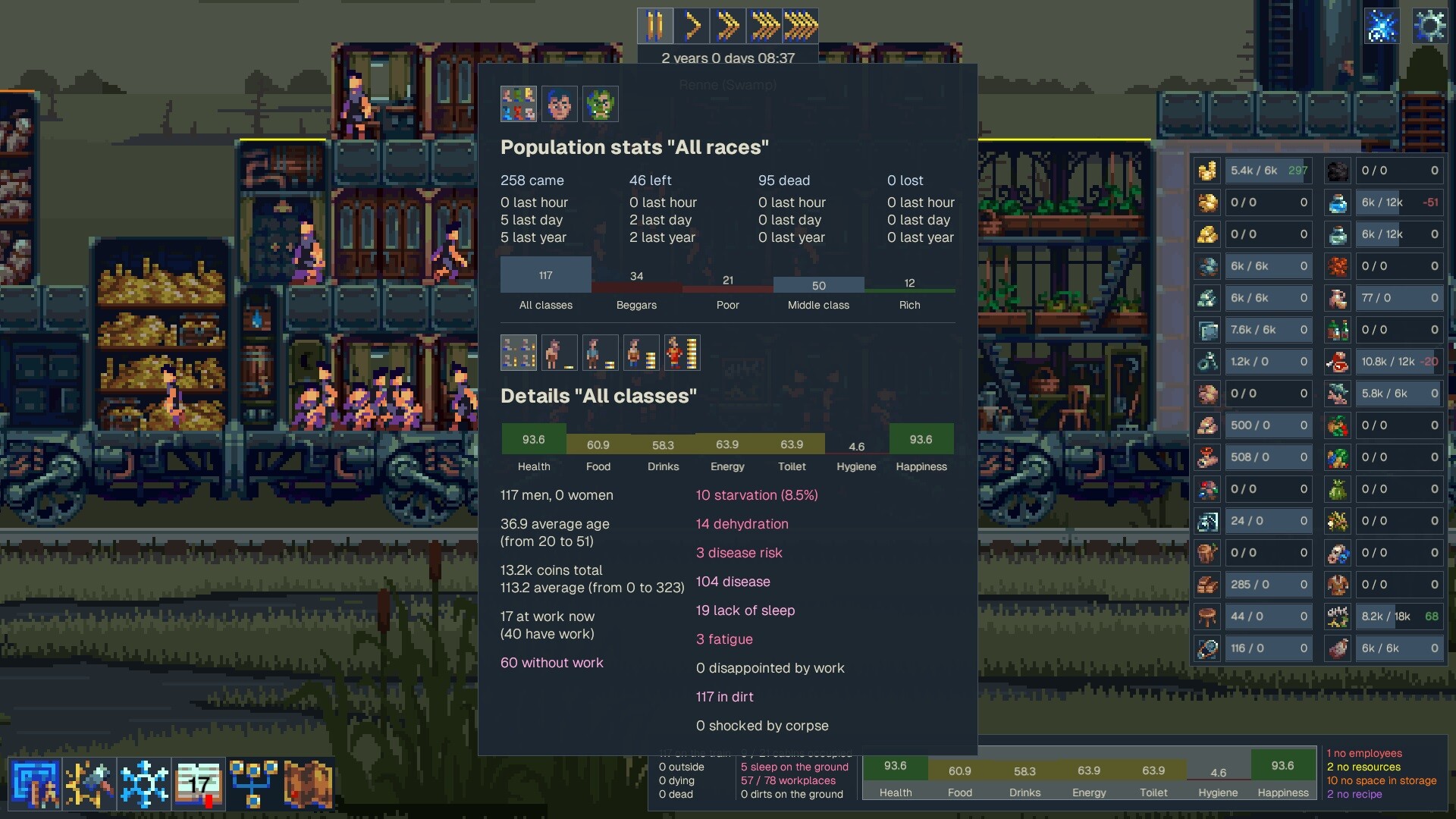
What separates Steel Artery from a dozen other management sims is how those systems interlock. Logistics are physical and local — items must be carried, stored and consumed in ways that make sense spatially, so your wagon layout directly affects throughput. Multiracial populations bring different preferences and values, so inviting orcs or elves changes demand curves and social stability in ways that are subtle but meaningful. The economy isn’t an abstract number you tweak; it emerges from inns charging for rest, artisans consuming raw materials and treasurers trying to keep the books balanced. I love the emergent stories: a small bakery shortage can lead to unrest three wagons back, or a cultural clash between species can bloom into a political headache. Replayability is high because every new wagon decision starts a cascade of new micro-problems and opportunities.
Gears, Pixels and Pipes: Presentation and Performance
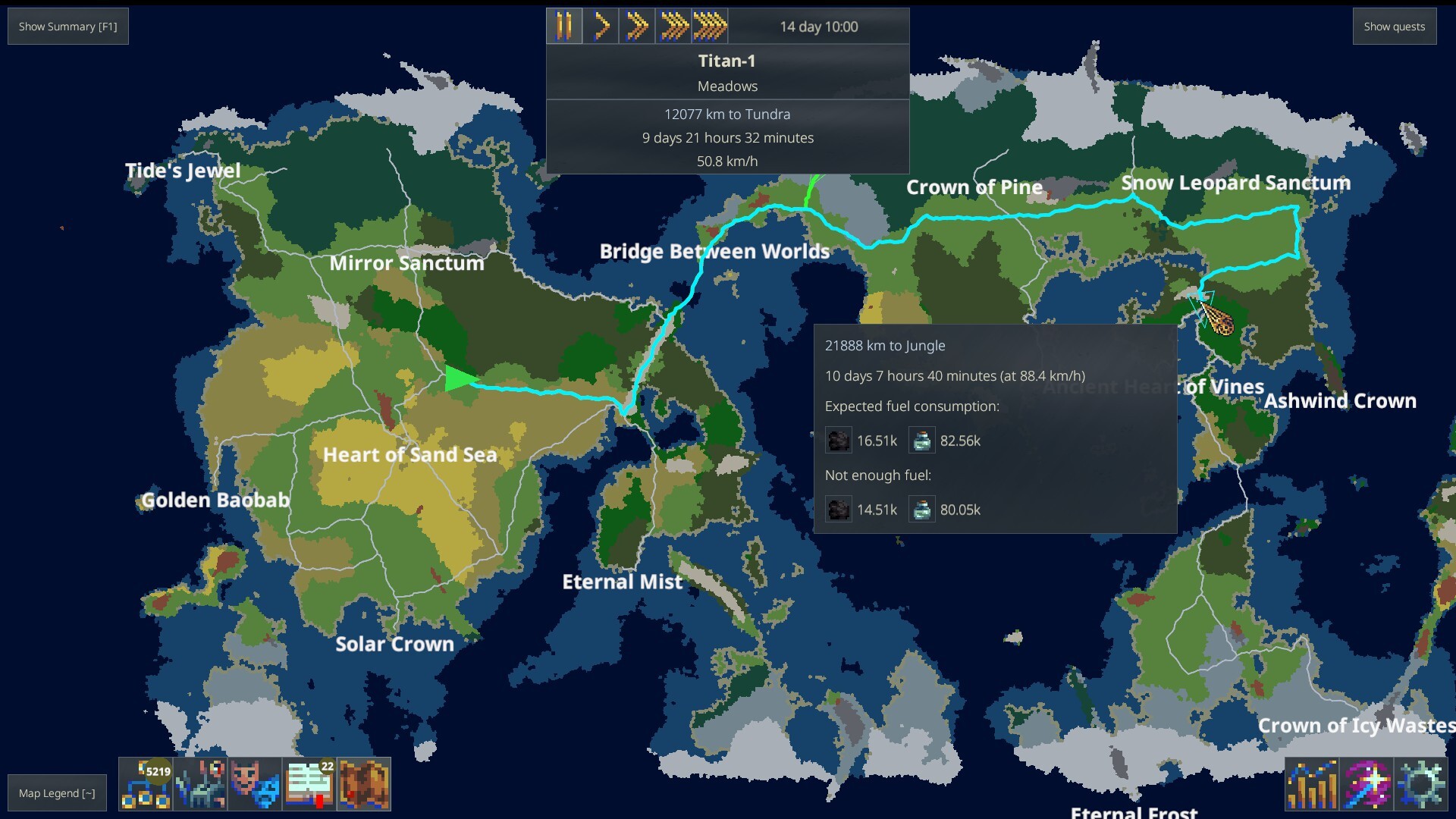
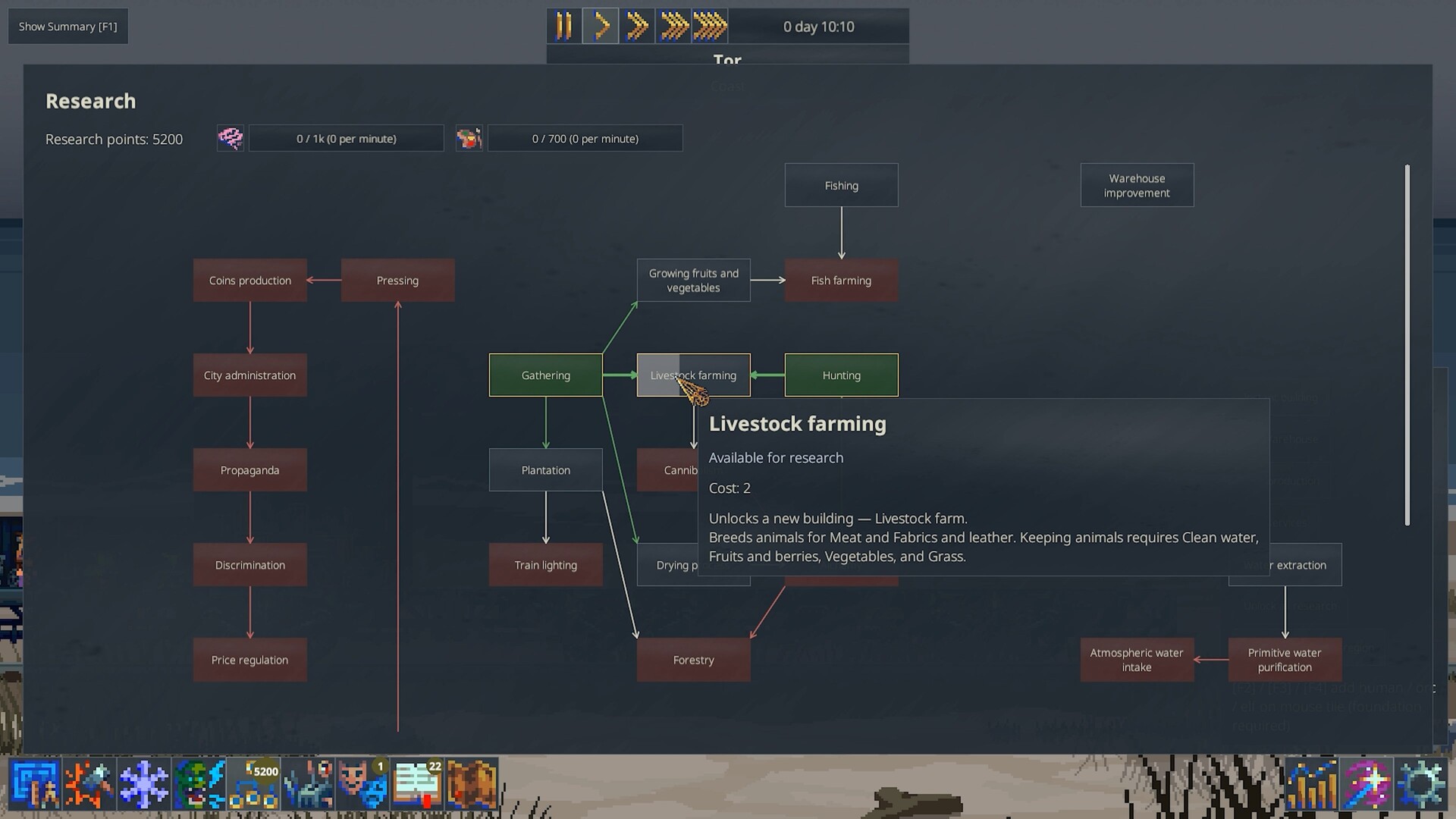
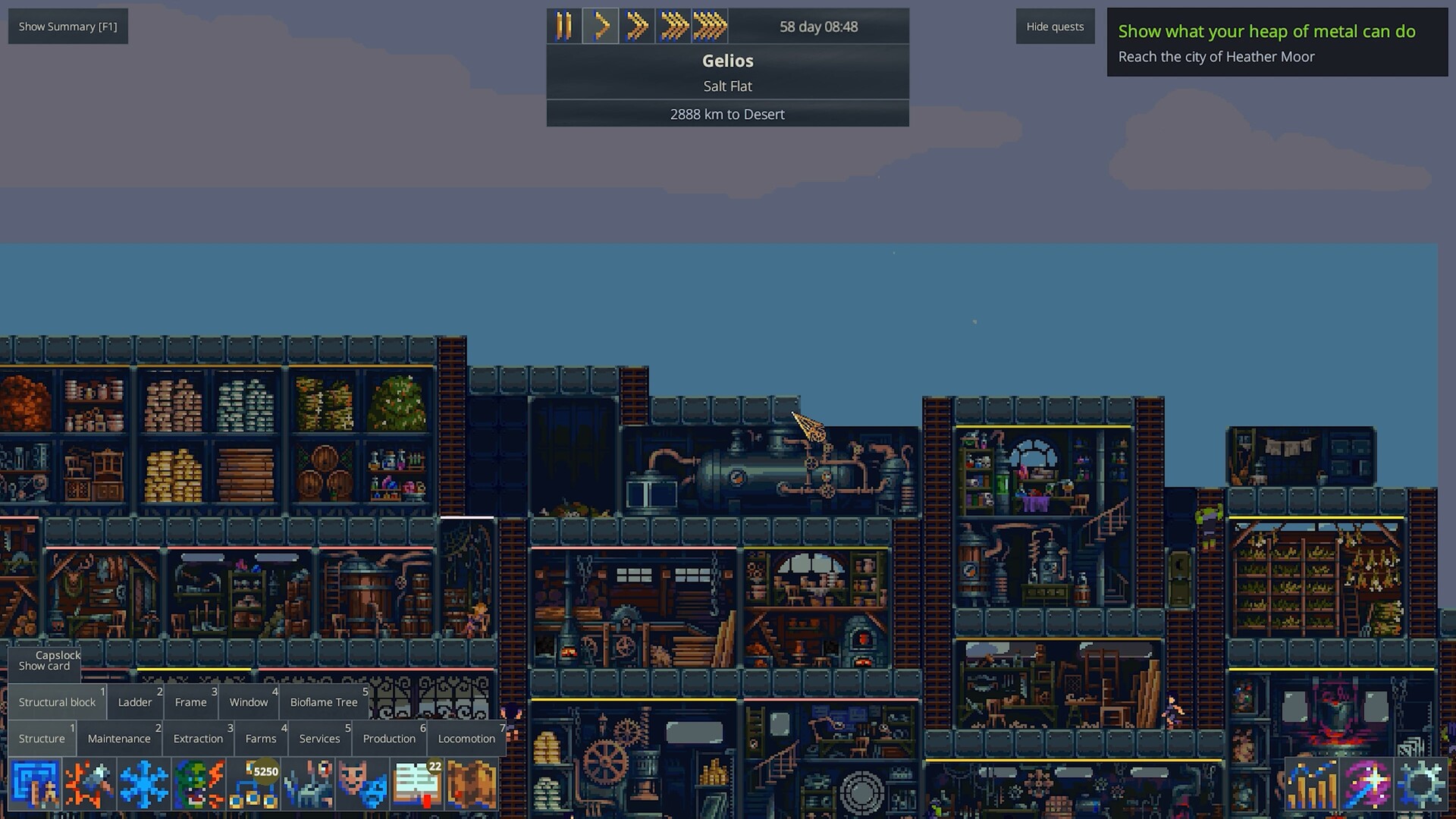
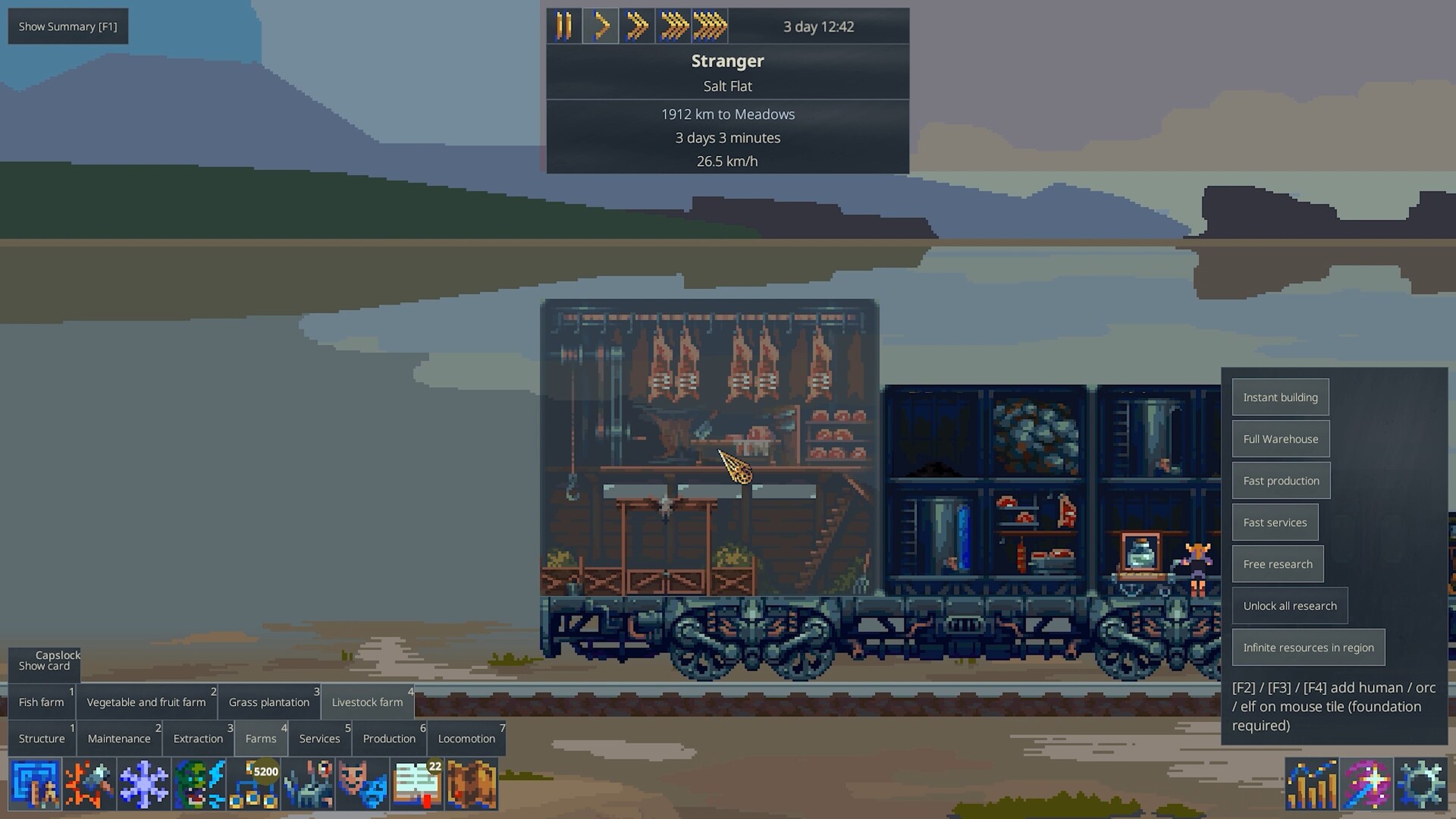
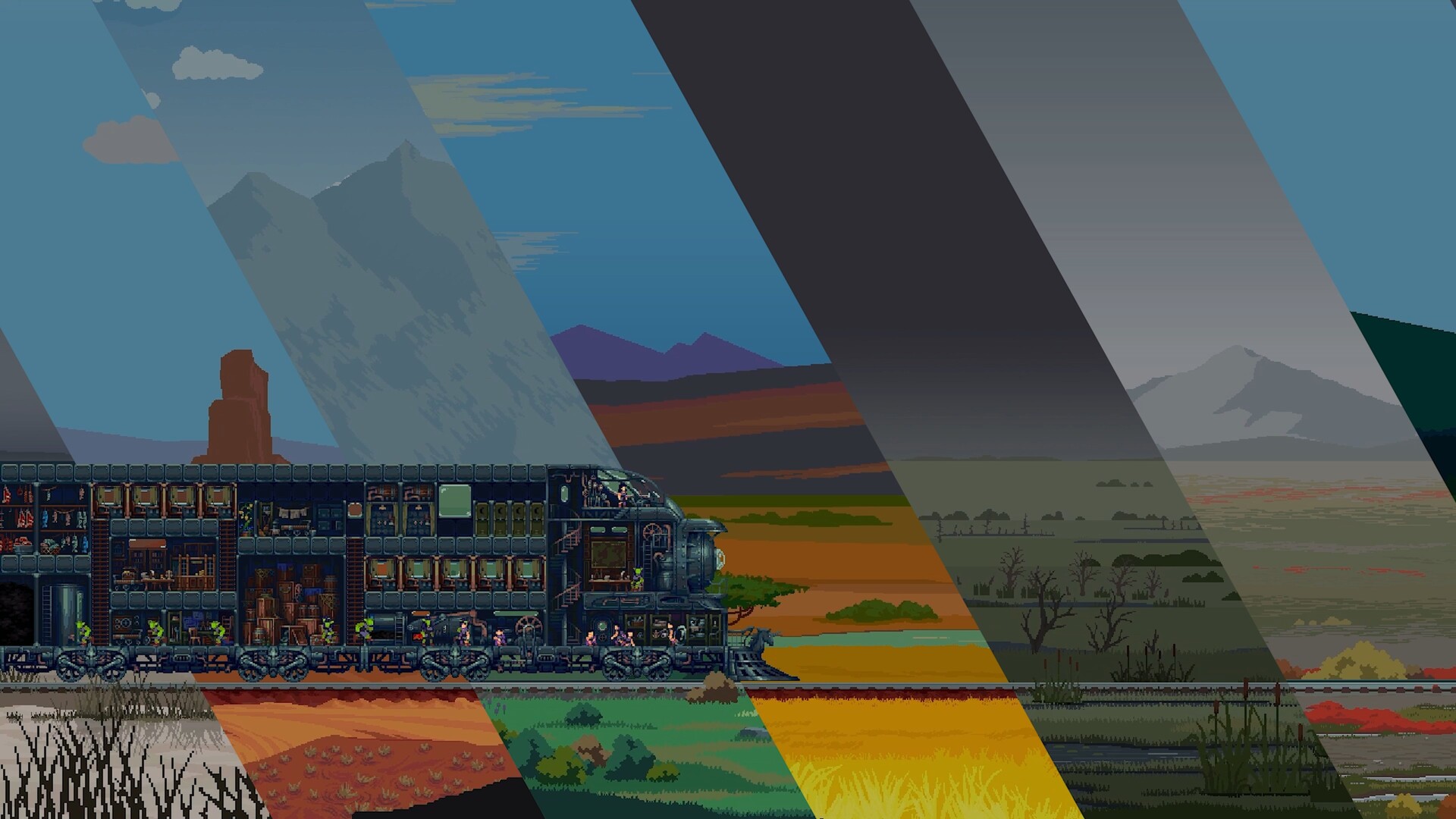
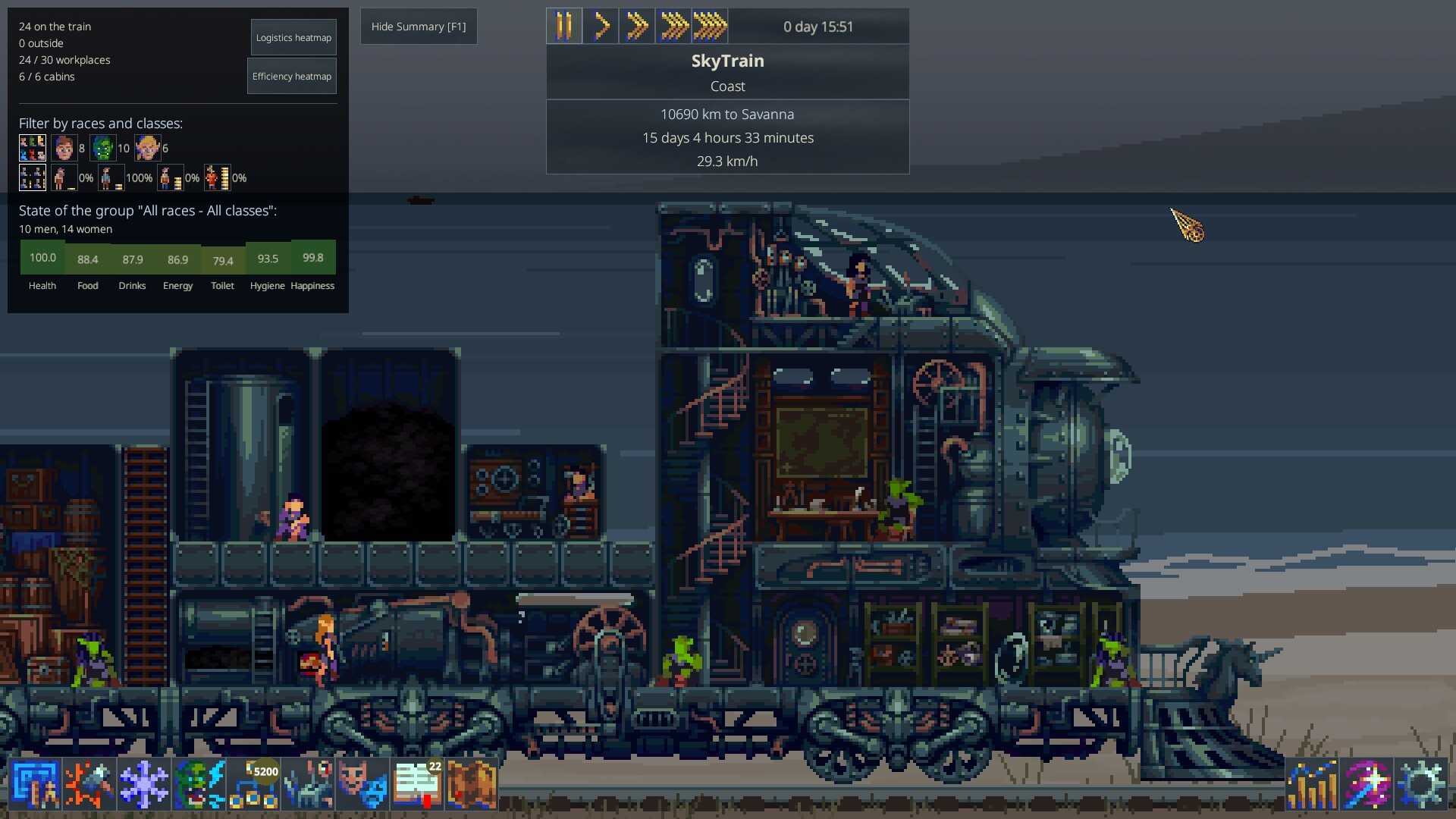
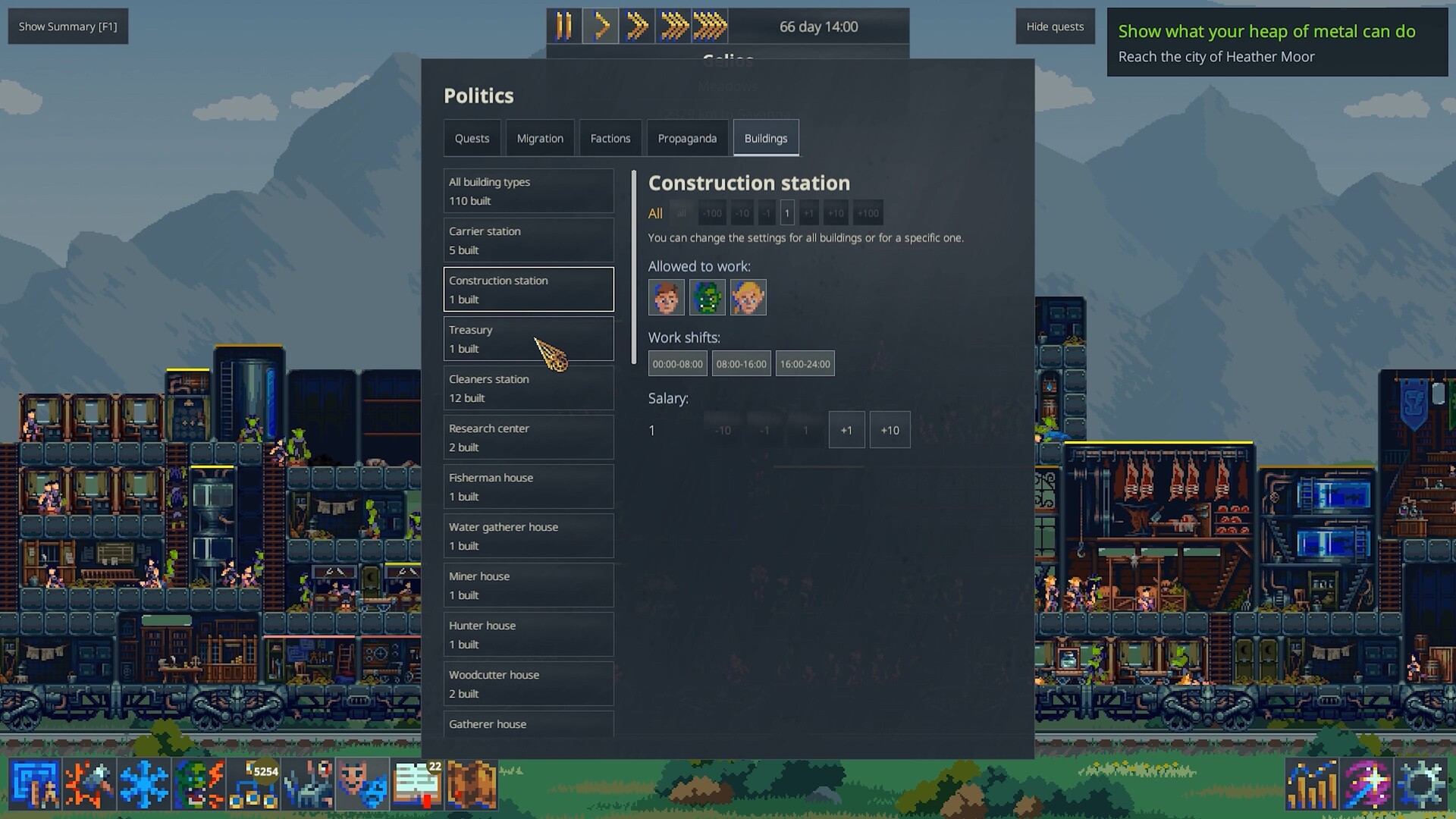
Visually, the pixel-art steampunk vibe is a joy — detailed sprites, clever animations and atmospheric backgrounds give the train real character. Sound design supports the mood: a soft mechanical clank, distant speeches and a melancholic tune that makes failing a run feel strangely poetic. Performance on my Windows rig was stable, though a few reviewers report graphical/toggle hiccups and a tutorial that sometimes behaves oddly. Accessibility is where the game shows rough edges: the UI is dense, many systems lack clear QoL toggles, and the information you need is often buried under layers. If you’re willing to wrestle with readouts and occasionally reload saves, the presentation pays off in atmosphere and depth.
Steel Artery is not a gentle sandbox — it’s a demanding, brilliant systems game that rewards curiosity, patience and a taste for controlled chaos. I recommend it to players who love deep logistics, emergent stories and steampunk flair, but warn casual builders: expect a steep climb and occasional frustration. With some UI polish and QoL updates it could become a classic.
Pros
- Unique and original train-based city-building premise
- Deep, emergent systems and satisfying economic interactions
- Strong steampunk pixel-art and atmospheric sound design
- High replayability—every run feels different
Cons
- Dense, sometimes clunky UI and accessibility issues
- Steep learning curve and punishing spirals from small mistakes
- Some quality-of-life systems (routing, production controls) feel incomplete
Player Opinion
Players consistently praise the concept and the simulation depth: many reviews call the autonomous citizens believable and the train-city idea refreshingly original. Several players compare the experience to Majesty or Banished—enjoying learning through failure and the emergent stories that appear after small mistakes. Criticisms keep returning to the interface and quality-of-life annoyances: carriers behaving oddly, confusing resource flows (dirty vs. clean water), and a tutorial that can be buggy or repetitive. Many say the learning curve is steep but rewarding if you stick with it; a notable chunk of the community bounced early but returned once they accepted the game’s systems-first mindset. If you like demanding management sims that expect you to fail and learn, reviewers largely recommend Steel Artery.