






Subnautica 2 Review – A Gorgeous, Uneven Return to the Deep
Subnautica 2 delivers hauntingly beautiful underwater exploration, impressive base-building and promising new systems like Biomods and co-op—yet Early Access bugs, a contentious EULA and performance headaches keep it from perfection.
I jumped back into the Subnautica universe with high expectations — and Subnautica 2 mostly met them. The game manages to recapture that peculiar mix of wonder and dread that made the originals special, while adding bold new systems like Biomods and online co-op. At the same time, this Early Access launch wears its rough edges openly: crashes, optimization quirks, and a controversial EULA keep tugging you out of the immersion. If you loved the first game, there’s a lot to dig into here, but bring patience (and maybe an FOV mod once it becomes possible).
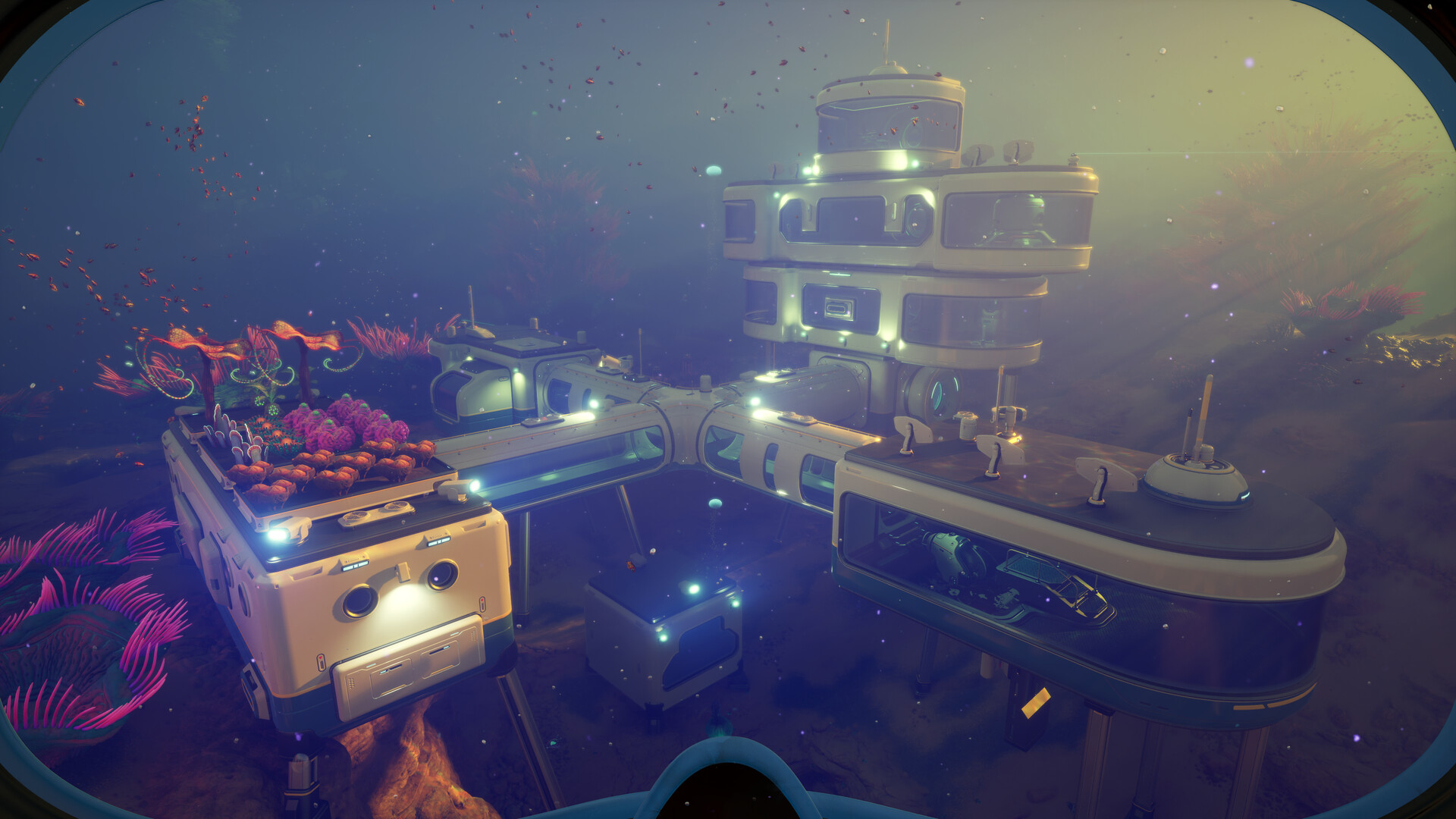
Diving, Scanning and Surviving Like Before
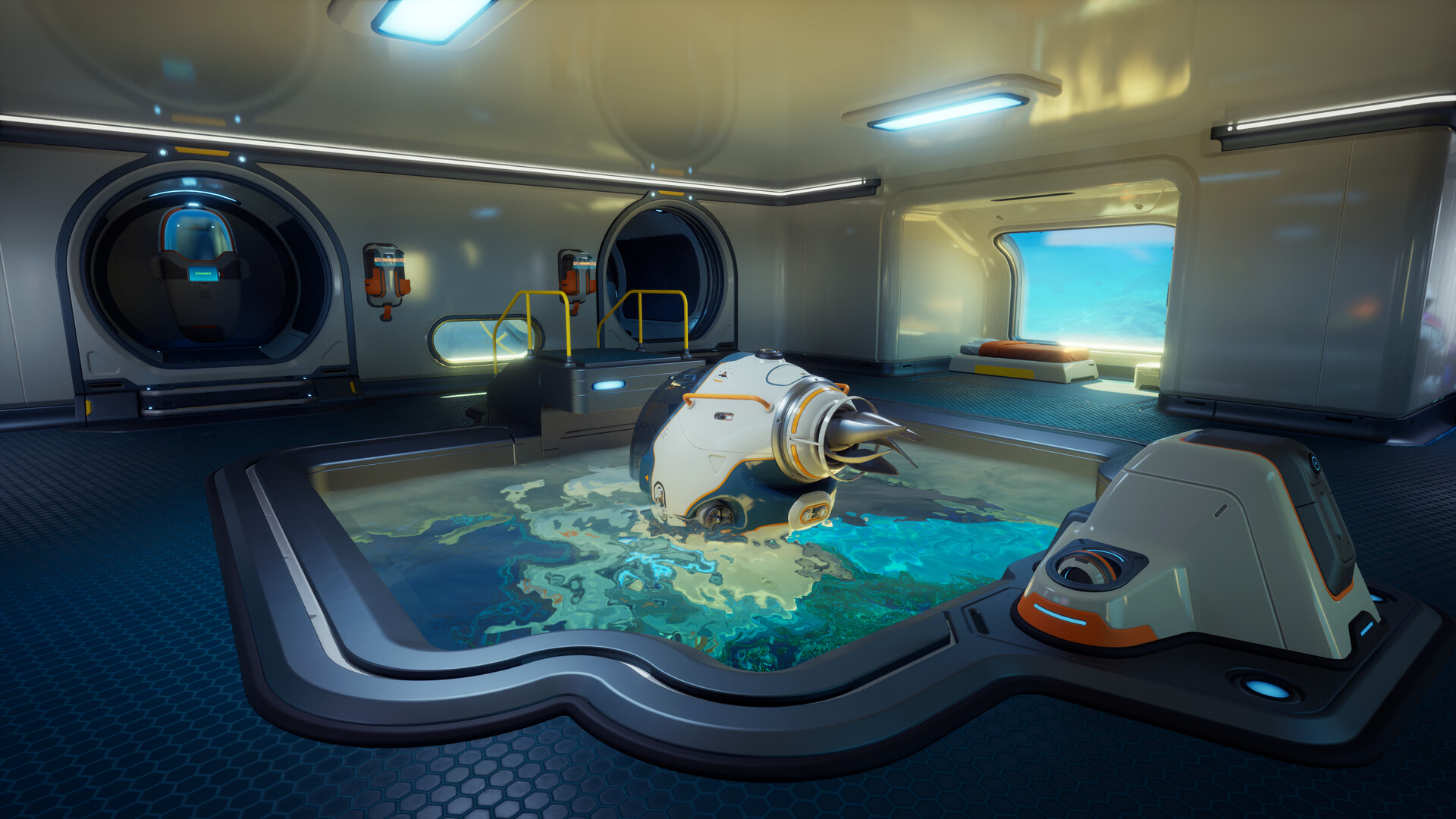
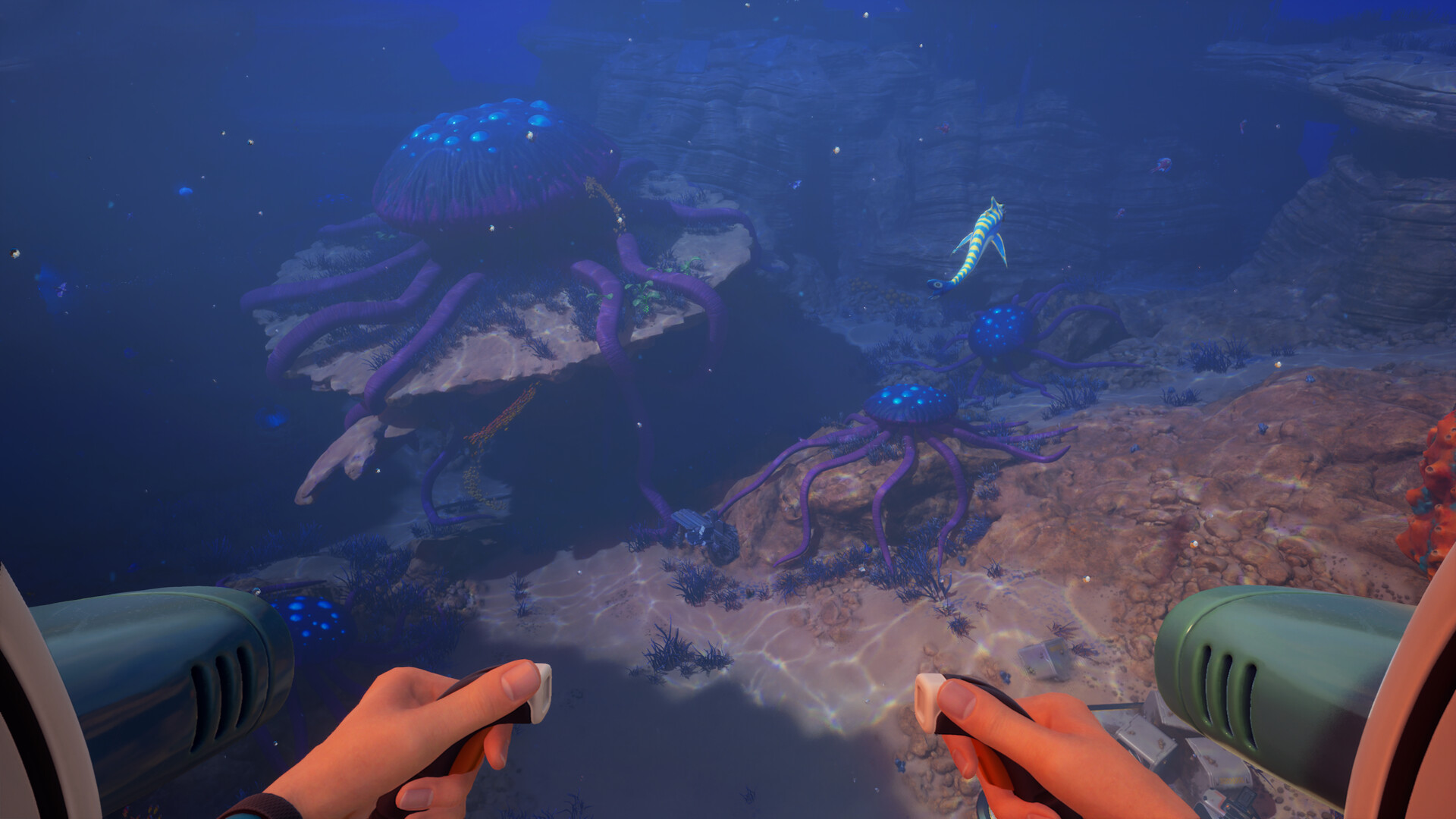
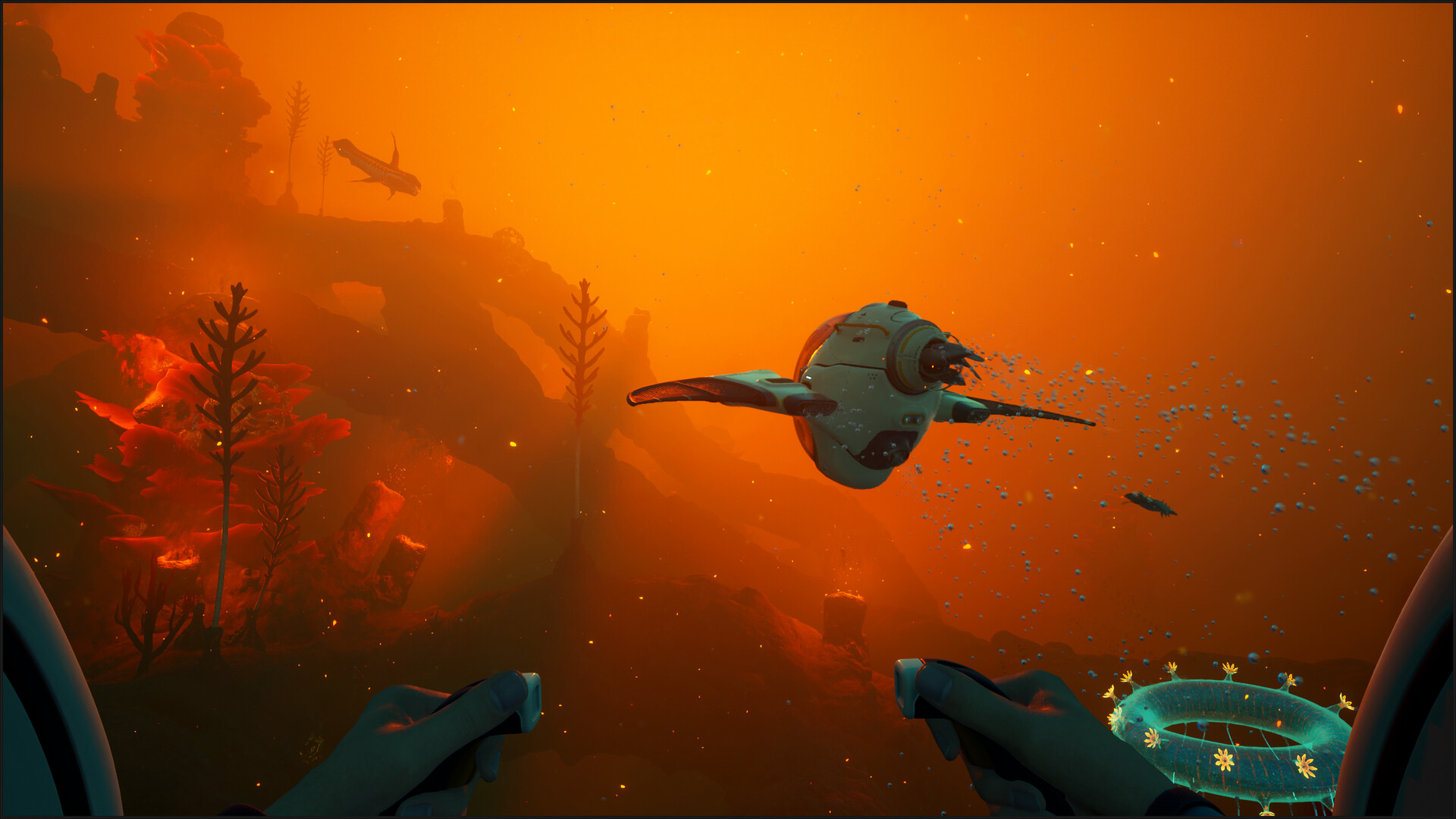
The heart of Subnautica 2 still beats for exploration. Your core loop is familiar: dive, scan, craft, and learn. Early on you'll pilot the Tadpole submersible to hop between colorful biomes, pry open wrecks, and chase down black box signals. One moment I was calmly scavenging a shallow reef; the next I was frantically backing away from a shiver leviathan after trying to scan it—an encounter that perfectly balances awe and teeth‑grinding panic. Base building returns stronger: walls can be dynamically scaled, rooms snap together intuitively, and fabricators pull resources from nearby storage, which quickly turns a shaky starter base into a cozy oceanic fortress.
Biomods, NOA and the Creature Toolbox: New Toys with Weight
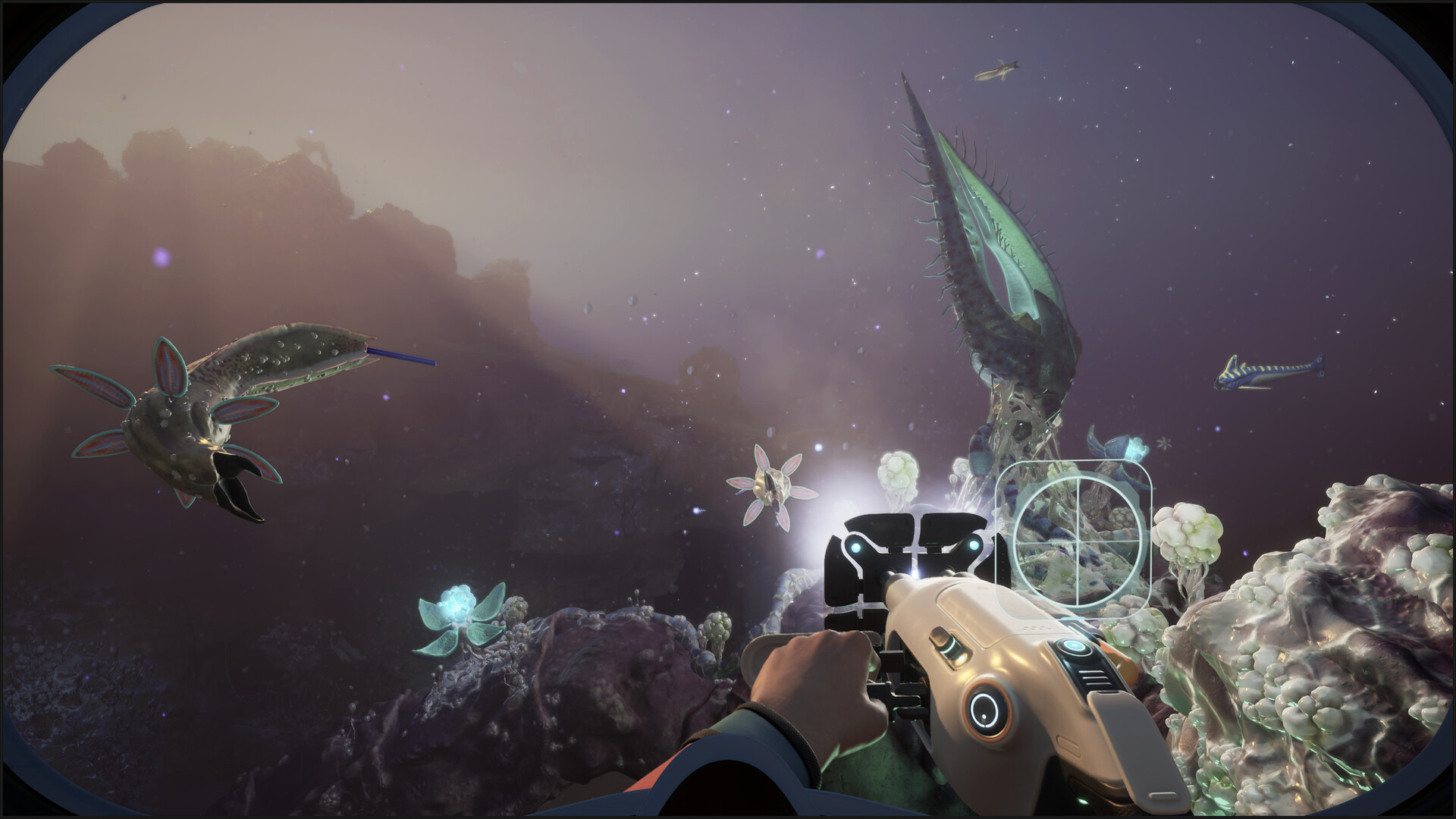
What sets this sequel apart are the systems layered on top of exploration. The Biomod system lets you scan fauna and graft passive abilities into gear; an early example I loved was a ‘bullethead’ biomod that grants near‑invisibility when standing still, invaluable for sneaking up on scanning targets. NOA, the ship’s AI, replaces some old-style radio chatter with context‑rich audio logs and guided messages—sometimes helpful, sometimes a little too hand‑holdy. The Creature Toolbox—really the scanning + biomod pipeline—turns fauna from set‑dressing into gameplay resources. Scanning a juvenile leviathan yields different data than scanning its parent, and certain biomods encourage playstyles: stealthy scanners, aggressive fish‑farmers, or gadget nerds who chain modules into powerful combinations.
A Wet, Shiny Tech Showcase (and Its Limits)
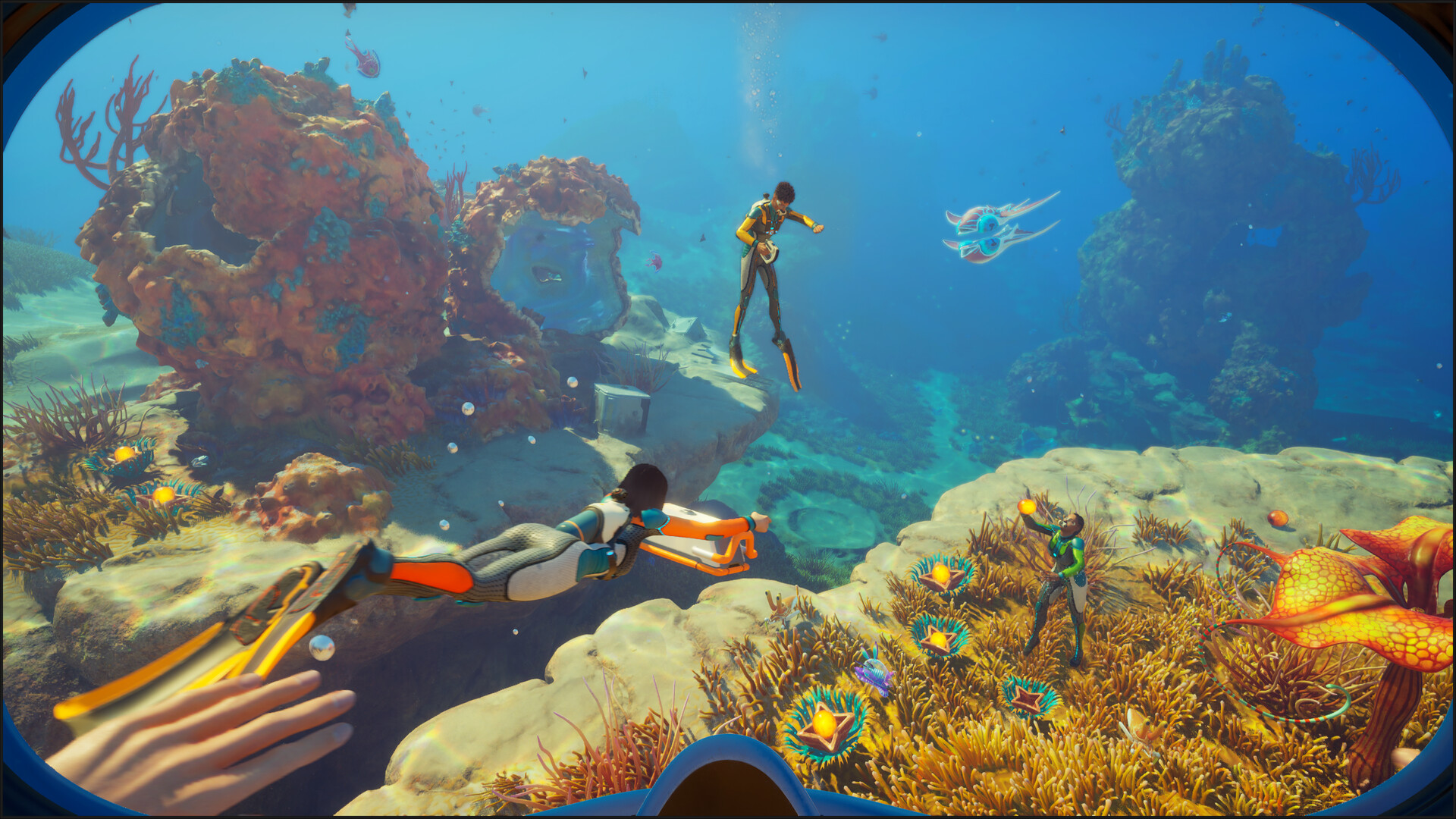
Visually, the leap to Unreal Engine 5 is obvious: volumetric light, dense bioluminescence and jaw‑dropping flora make many frames feel like wallpaper. Sound design remains a star—those distant wails and sonar blips absolutely haunt you. But the engine choices bring tradeoffs: many players report crashes, stuttering and unusually high GPU usage on some hardware. The lack of an FOV slider on launch is a strange omission in 2026 and causes motion‑sickness complaints; some users on Steam Deck and Linux have success via Proton, while others encounter startup crashes or shader compile stalls. Workarounds exist (driver updates, Proton tweaks, killing stray GameThread processes), but expect to tinker if you have older or AMD hardware. Despite that, when it runs well the game nails the uncanny feeling that you should not be here—yet you keep going deeper.
Subnautica 2 is a thrilling, sometimes infuriating follow‑up: rich in atmosphere, creative in systems, but hampered by Early Access instability and a problematic EULA. If you crave exploration and base building and are willing to tolerate bugs (or tinker with fixes), it’s worth the dive. Casual players or those sensitive to performance and intrusive licenses should wait for later patches.
Pros
- Stunning visuals and immersive sound design
- Deep, satisfying base building with intuitive scaling
- Biomods and creature scanning add meaningful new systems
- Optional co‑op expands the experience without breaking solo flow
Cons
- Early Access roughness: crashes, bugs and optimization issues
- Controversial EULA and forced agreement at launch
- No FOV slider on release; some player models and animations feel off
Player Opinion
Players are split but vocal. Many praise the visual leap, base building overhaul and the Biomod system—users mention stable 60–90 fps on mid to high rigs, while others report crashes, shader stalls and poor performance especially on AMD or under default settings. Several reviewers highlight the co‑op as a game changer, and Steam Deck / Proton reports are mixed but promising for Linux users. On the negative side, multiple players refuse to accept the forced EULA and privacy clauses, and a number of early adopters demand an FOV slider and fixes for uncanny human models. If you read the reviews, recurring themes are: gorgeous world, fun exploration, Early Access hiccups, and a polarizing license wall.